Knowing When to Seek Help
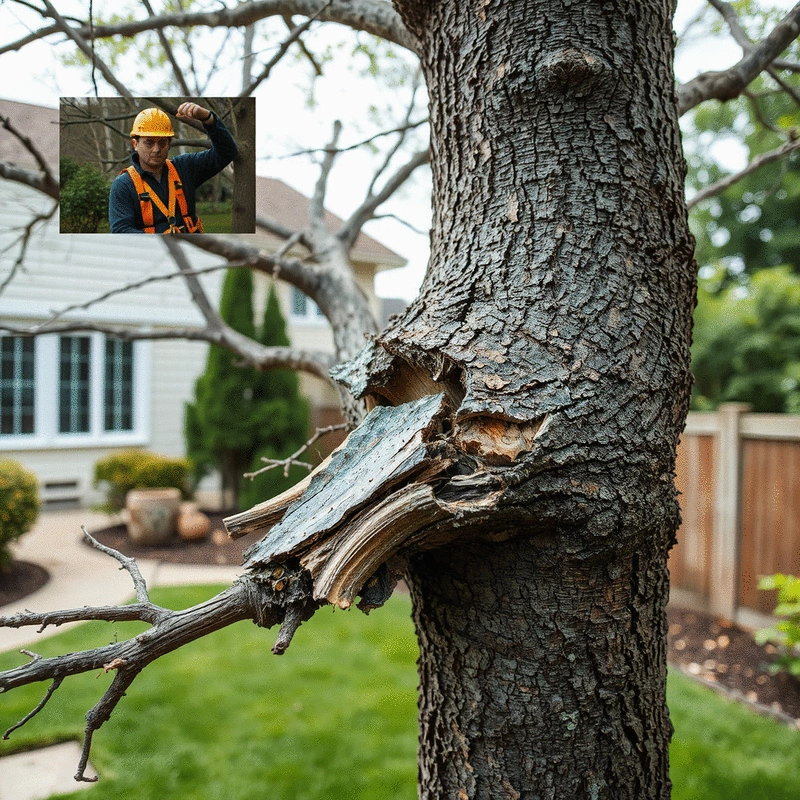
After a storm, the aftermath can bring confusion and concern. It’s crucial to assess the damage and decide the best course of action for your safety and property. Understanding the steps to take can simplify this process and provide peace of mind.
What You Will Learn
- Storms can cause various types of damage to trees, including uprooting and branch breakage, influenced by factors such as tree type and health.
- Prompt action post-storm is vital to prevent further damage, both to the tree and surrounding structures.
- Regular tree inspections and maintenance, like pruning dead branches, can significantly reduce storm-related risks.
- Knowing when to call an arborist is crucial; assess tree stability and potential hazards to determine the urgency of professional help.
- Familiarizing yourself with FEMA resources and local emergency services can aid in effective storm recovery.
- Engaging with community resources and neighbors can provide support and shared knowledge in the aftermath of storm damage.
Impact of Storms on Trees
Understanding how storms affect trees can help homeowners assess potential risks and act quickly. Below is a visual representation of the main causes of storm damage and recommended actions after a storm. For more insights on mitigating these risks, consider learning about long-term tree risk management tips.
Common Causes of Storm Damage
- Wind: High winds can break branches or uproot trees entirely.
- Rain: Excessive rainfall can saturate the soil, leading to instability in root systems.
- Lightning: A direct strike can cause immediate and extensive damage to a tree.
Recommended Actions Post-Storm
- Assess immediate risks around your home.
- Contact local emergency services for downed power lines or hazards.
- Document any damage for insurance claims.
Understanding Storm-Damaged Trees and When to Seek Expert Help
As a tree safety expert, I know firsthand how devastating storms can be for homeowners and their beloved trees. When the winds howl and the rains pour, our trees endure a lot of stress. Understanding how storms impact trees is essential in determining when to seek help from a professional. After all, ensuring the safety of our properties and families is paramount!
The Impact of Storms on Trees: An Overview
Storms can bring about a range of damages to trees, from minor branches breaking to entire trees uprooting. The severity of the damage often depends on factors such as the type of tree, its health, and the force of the storm. Ultimately, recognizing the signs of storm damage early can prevent further issues down the line.
How Storms Cause Damage to Trees
Storms can affect trees in various ways, leading to potential hazards. Here are some common methods of damage:
- Wind: High winds can break branches or uproot trees entirely.
- Rain: Excessive rainfall can saturate the soil, leading to instability in root systems.
- Lightning: A direct strike can cause immediate and extensive damage to a tree.
Understanding these factors helps homeowners gauge the potential risks associated with their trees after a storm.
Importance of Prompt Action After a Storm
Taking prompt action after a storm is crucial. The longer you wait, the more damage may occur, not just to the tree itself but also to surrounding structures. I always recommend assessing your property immediately post-storm and looking for any visible damage. Remember, timely intervention can be the difference between saving a tree and needing to remove it! For more guidance, check out our post-storm tree safety checklist.
Storm Preparedness and Recovery
Being prepared for storms is essential for any homeowner. Ensuring that your trees are healthy and stable before severe weather hits can mitigate risks significantly. Here are some emergency preparedness tips you can implement:
- Schedule regular tree inspections to identify potential hazards.
- Prune dead or weak branches to reduce wind resistance.
- Secure smaller trees with stakes if necessary.
Taking these steps not only protects your property but can also foster a sense of security in your home.
Emergency Preparedness for Homeowners
In the aftermath of a storm, homeowners should be familiar with emergency response protocols. Key actions include:
- Assessing immediate risks around your home.
- Contacting local emergency services if you notice downed power lines or hazards.
- Documenting any damage for insurance claims.
Being proactive ensures that you're ready to take the appropriate steps once the storm subsides.
FEMA and Disaster Recovery Resources
When storms strike, it's essential to know where to turn for help. FEMA provides valuable resources for disaster recovery, including information on how to file claims, emergency assistance, and recovery planning. It’s a good idea to familiarize yourself with these resources before a storm hits, ensuring you're prepared to act when needed.
At Safe Canopy Care, I’m passionate about educating homeowners on tree safety and storm preparedness. Remember, keeping your trees healthy and understanding when to seek expert help can safeguard your home in the long run. Stay vigilant and always prioritize safety!
Pro Tip
Did you know? Regular tree maintenance can significantly reduce the risk of storm damage. By scheduling annual inspections and proactive pruning, you not only enhance your tree's health but also minimize potential hazards during severe weather. A well-maintained tree is less likely to suffer from storm-related damage!
Taking Action: Next Steps After Storm Damage
After a storm, the aftermath can be overwhelming. You may find yourself assessing the damage and wondering what to do next. It’s crucial to take the right steps to ensure your safety and the integrity of your property. At Safe Canopy Care, we understand that deciding whether to seek professional help can be a tough choice, especially when emotions run high after a storm. Let’s break down the key factors to consider when making this decision.
Deciding Whether to Call for Help
When faced with storm-damaged trees, ask yourself a few important questions:
- Is the tree leaning dangerously or at risk of falling?
- Are there large cracks or splits that threaten stability?
- Could branches be hanging over structures or power lines?
If you answered “yes” to any of these, it's time to reach out to an arborist. Trust me, the sooner you take action, the safer you’ll feel in your backyard! For guidance on choosing the right professional, consider using a tree service directory.
Key Factors to Consider in Your Decision
Consider these factors when deciding on professional help:
- Severity of damage: Is the tree a threat to your home or neighbors?
- Location: Is the tree near power lines or structures?
- Personal safety: Are you comfortable assessing the damage?
Remember, while DIY approaches may be tempting, tree safety is not something to gamble with. Your safety and the safety of your loved ones come first!
How Soon Should You Call an Arborist?
Understanding emergency timelines is crucial after a storm. If a tree poses an immediate risk, such as leaning toward your house, contact a professional right away. Arborists like those at Safe Canopy Care are equipped to handle such emergencies swiftly. But what about less urgent situations? Here’s a guideline to help:
- Immediate calls for trees leaning dangerously or blocking access.
- Within 24 hours for trees with visible damage that could worsen.
- A few days to a week for trees that appear stable but have minor issues.
Timeliness can prevent further damage and ensure your property’s safety!
Understanding Emergency Timelines and Response
The faster you act, the less likely you are to face costly repairs later. An arborist can provide a quick assessment and help you formulate a plan. Remember, waiting too long can escalate risks not only for your property but also for your neighbors.
Connecting with Local Arborist Services
Finding a certified arborist in your area is easier than you think. Start by looking for local tree service providers like Safe Canopy Care. I recommend seeking professionals who have strong community ties and good reviews. Here’s how to find the right help:
- Search online for local arborists with certifications.
- Ask friends or neighbors for recommendations.
- Check local arborist associations for vetted professionals.
Connecting with experienced arborists ensures you get the best advice and care for your trees, keeping your home safe!
Protecting Your Property and Ensuring Safety
After a storm, safeguarding your property should be your top priority. It’s essential to protect not only your home but also the surrounding environment. Here are some protective measures I always suggest to homeowners:
Protective Measures for Your Home and Yard
Evaluate the impact of the storm on your surroundings. Here are some steps to consider:
- Inspect nearby structures for potential hazards from fallen branches.
- Check landscaping for any signs of damage or instability.
- Look for leaning trees that might pose a threat to your property.
Taking these steps early on can save you from bigger headaches down the line!
Evaluating Surrounding Structures and Landscaping
Ensure you assess not just the trees but also fences, sheds, and any other structures that could be compromised. A thorough inspection can help identify hazards that may require immediate attention.
Public Safety and Community Resources
Don’t hesitate to engage local government services and neighborhood associations. They can provide valuable resources and support following storm damage. Here’s how to get involved:
- Contact local emergency services for immediate hazards.
- Check if neighborhood groups are organizing safety inspections.
- Engage with community forums for advice and shared experiences.
Your community can be a great source of support during recovery!
Here are some frequently asked questions regarding storm-damaged trees:
Frequently Asked Questions
What are the most common types of storm damage to trees?
The most common types of storm damage include broken branches due to high winds, uprooted trees from saturated soil, and direct damage from lightning strikes.
When should I call an arborist after a storm?
You should call an arborist immediately if a tree is leaning dangerously, has large cracks, or is threatening to fall on your home, power lines, or other structures. For less urgent issues, assess the damage within 24 hours to a week.
What preventative measures can I take to protect my trees from storm damage?
Regular tree inspections, pruning dead or weak branches, and securing smaller trees with stakes can significantly reduce storm-related risks. Maintaining overall tree health is key.
What resources are available for disaster recovery?
FEMA provides valuable resources for disaster recovery, including information on filing claims and emergency assistance. Local emergency services and neighborhood associations can also offer support and guidance.
Is it safe to attempt DIY tree removal after a storm?
Generally, it is not safe to attempt DIY tree removal, especially for large trees or those near power lines. Tree safety is paramount, and it's always best to consult with or hire a certified arborist to handle hazardous situations.
Engaging Local Government Services and Neighborhood Associations
By connecting with local services, you not only help yourself but also contribute to the safety of your entire neighborhood. It’s a collective effort to bounce back from storm damage! To further your understanding, learn about homeowners storm prep checklist.
Final Thoughts and Encouragement to Act Promptly
Addressing storm-damaged trees is crucial for maintaining a safe environment. Remember, taking timely action can make all the difference in preventing further damage. Here are some key takeaways:
Summary of Key Takeaways on Storm-Damaged Trees
- Assess the severity of damage and decide whether to call an arborist.
- Act quickly to ensure safety and prevent further risks.
- Engage with local resources for community support.
Importance of Timeliness in Addressing Tree Damage
Don’t underestimate the importance of prompt action! Storms can leave hidden dangers that may worsen if ignored. Taking swift action reassures your family and protects your property. For more detailed information on assessing post-storm tree stability, read our guide on assessing tree stability post-storm.
Call to Action: Contact Professional Help for Storm-Damaged Trees
If you’re facing storm damage, reach out to Safe Canopy Care. I’m here to help! Let’s prioritize safety and work together to protect your home and loved ones. Remember, I’m just a call away, ready to assist you in navigating these challenges effectively!
Encouragement to Prioritize Safety and Property Protection
With the right approach, you can ensure your property remains safe and secure. Let’s take these important steps together and keep your outdoor spaces healthy and safe!
Recap of Key Points
Here is a quick recap of the important points discussed in the article:
- Understand the types of storm damage, including uprooted trees, broken branches, and saturated soil.
- Take prompt action after a storm to assess damage to trees and surrounding structures.
- Schedule regular inspections and prune weak branches to prepare for storms.
- Know when to call an arborist: if a tree is leaning dangerously, has large cracks, or poses a risk to power lines.
- Act quickly: contact professionals for immediate threats and assess less urgent issues within a week.
- Engage with local resources and community support to aid in recovery efforts after storm damage.
- Prioritize safety for yourself and your property by taking timely action and seeking expert help.

Evelyn Hartman
Evelyn Hartman is a dedicated tree safety expert with over a decade of experience in the arboriculture industry. With a passion for protecting homes and properties, Evelyn specializes in proactive tree safety measures, storm preparedness, and emergency response. She is committed to educating homeowners about the importance of tree care and risk prevention, ensuring that families can enjoy their outdoor spaces with peace of mind.
Popular Posts
Tree Risk Management for Outbuildings
![Tree Risk Management for Outbuildings]() ##
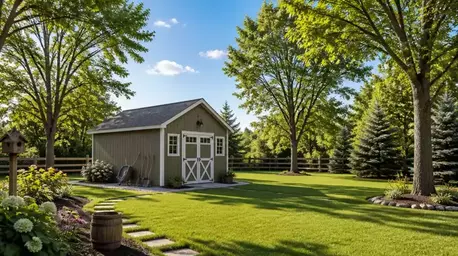
Have you ever considered how the trees around your property could impact the safety of your outbu
##
Have you ever considered how the trees around your property could impact the safety of your outbu
 ##
Have you ever considered how the trees around your property could impact the safety of your outbu
##
Have you ever considered how the trees around your property could impact the safety of your outbu
Tree Cavities and Structural Safety
![Tree Cavities and Structural Safety]() Have you ever wondered how the health of a tree can directly impact your property’s safety? Unders
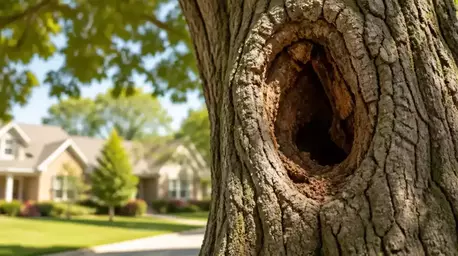
Have you ever wondered how the health of a tree can directly impact your property’s safety? Unders
 Have you ever wondered how the health of a tree can directly impact your property’s safety? Unders
Inspecting Tree Canopies for Safety
![Inspecting Tree Canopies for Safety]() As severe weather approaches, the safety of your property hangs in the balance. By understanding the
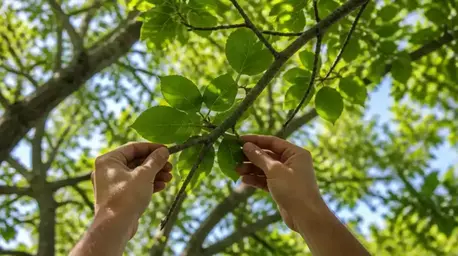
As severe weather approaches, the safety of your property hangs in the balance. By understanding the
 As severe weather approaches, the safety of your property hangs in the balance. By understanding the
Tree Safety Tips for Driveways
![Tree Safety Tips for Driveways]() Ensuring the safety of your home extends beyond its walls, particularly when it comes to the trees s
Ensuring the safety of your home extends beyond its walls, particularly when it comes to the trees s
 Ensuring the safety of your home extends beyond its walls, particularly when it comes to the trees s
