Tree Risks
- Structural Damage: Heavy branches damaging roofs or walls.
- Water Damage: Overhanging branches directing rainwater towards structures.
- Blocked Access: Fallen trees obstructing pathways and entrances.
Have you ever considered how the trees around your property could impact the safety of your outbuildings? Understanding the risks they pose is crucial for protecting your home and loved ones.
Effective tree risk management is vital for preventing damage to outbuildings. Below are key risk factors and management strategies that can significantly enhance property safety. For more insights on safeguarding your property, explore how to protect your home from trees.
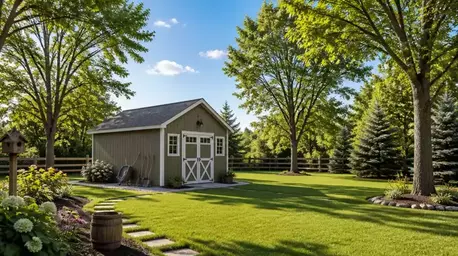
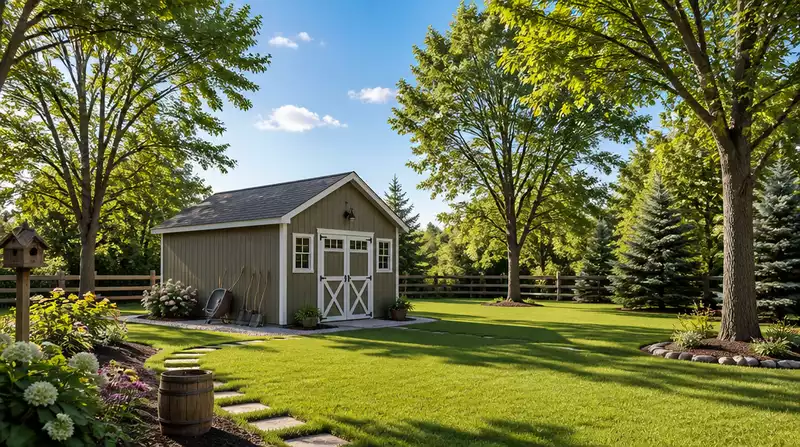
When it comes to maintaining the safety of our properties, understanding tree risks around outbuildings is crucial. Outbuildings, like sheds and garages, can be significantly impacted by nearby trees. In my experience at Safe Canopy Care, I’ve seen how the wrong tree placement or a neglected tree can lead to costly damage and safety hazards.
Managing tree hazards is essential for safeguarding not only your structures but also your loved ones. Trees that are left unchecked can pose risks such as falling branches or uprooting during storms. This is why it’s important to be proactive—investing time in tree risk management can save you from potential emergencies down the road.
Trees provide shade and beauty, but they can also bring unforeseen risks to your outbuildings. When they lean too close or grow too large, they can cause damage. Here are some impacts to consider:
Proper tree risk management ensures that your property remains safe and secure. It helps to prevent accidents and costly repairs, which can often be overwhelming. By identifying risks early, you can take action before they escalate into serious problems. This is a key part of my mission at Safe Canopy Care—to keep your home and surroundings safe!
A comprehensive tree risk assessment is a vital step every homeowner should take. Understanding the potential hazards posed by trees allows you to make informed decisions about care and maintenance. Regular assessments can help you catch issues before they become emergencies, ultimately protecting your investments. For more information on identifying hazardous trees, check out our guide on dangerous trees identification.
Identifying hazardous trees is an important skill that can save lives and property. Here are some key indicators to look for:
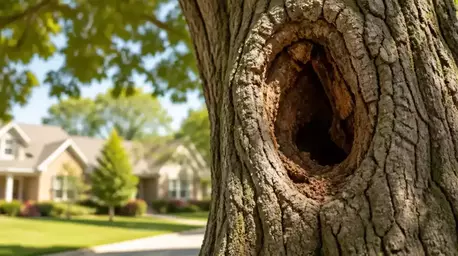
The strength and stability of a tree depend largely on its structural integrity. Regular evaluations can help you determine if a tree is at risk of failure. Signs of weakness may include:
To enhance the safety of your outbuildings, consider investing in regular professional tree assessments. These evaluations can uncover hidden risks that may not be visible to the untrained eye, allowing you to address potential hazards before they escalate into costly damages.
When it comes to ensuring the safety of our outbuildings, it’s crucial to take proactive steps in mitigating tree risks. By implementing effective risk mitigation strategies, we can protect structures like sheds and garages from potential damage. At Safe Canopy Care, we understand the importance of these measures and are here to guide you through the essential actions you can take.
So, what should you do? It all starts with identifying the right approach—whether it’s pruning, cabling, or even removal of trees that pose a risk. Let’s break down these strategies so you can make informed decisions for your property.
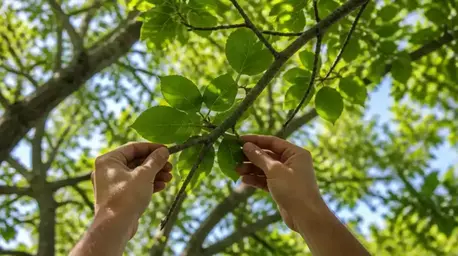
Understanding when to prune for safety versus aesthetic reasons can be challenging. However, it’s essential to prioritize the well-being of your property. Here’s when to prune:
In some cases, more extensive measures like cabling or bracing may be necessary to support weak trees. These techniques help stabilize trees that have structural issues without removing them entirely. Consider cabling when:
Identifying the right time to prune can save your outbuildings from damage. Regular assessments, especially before storm seasons, can help you determine the best timing.
Should you find that pruning isn’t enough, cabling or bracing can be a lifesaver. These actions require professional guidance, so don’t hesitate to reach out to experts like Evelyn Hartman at Safe Canopy Care for insight!
Regular tree trimming and maintenance practices are vital for the safety of your outbuildings. Here are some best practices that you can implement:
By sticking to a maintenance schedule, you’ll not only keep trees healthy but also minimize hazards. It's like maintaining a relationship with your trees; regular care leads to a safer, more beautiful environment.
Ongoing maintenance creates a safer environment. Following these best practices ensures your trees are both beautiful and low-risk.
Establishing a regular maintenance schedule allows you to stay ahead of potential issues. Think of it as a check-up for your trees, ensuring they’re in tip-top shape!
There may come a time when tree removal is the only option for safety. Assessing unacceptable risk levels is crucial. Here are guidelines to consider:
Additionally, planning for future tree planting is important. Choose species that have suitable growth habits and won’t interfere with your structures in the future.
When removing trees, always prioritize safety. Engage professionals to ensure safe procedures are followed, especially near your outbuildings. You can also learn more about using a tree service directory to find qualified help.
As you consider new trees for your property, think about their future growth. Plant them at a sufficient distance from outbuildings to prevent future risks. It’s all part of planning for a safe and vibrant landscape!
Lastly, knowing your local building codes and regulations is essential! Compliance can significantly enhance community safety. Familiarize yourself with:
At Safe Canopy Care, we believe that understanding these regulations can empower homeowners to make responsible choices. Let’s keep our community safe together!
In summary, taking proactive steps to manage tree risks near your outbuildings is a vital part of protecting your property. By implementing the strategies discussed, you can create a safer environment for your home and family.
As always, if you have concerns about tree risks, don’t hesitate to reach out to us at Safe Canopy Care. We’re here to help you navigate this important aspect of home safety!
Here is a quick recap of the important points discussed in the article:
Evelyn Hartman is a dedicated tree safety expert with over a decade of experience in the arboriculture industry. With a passion for protecting homes and properties, Evelyn specializes in proactive tree safety measures, storm preparedness, and emergency response. She is committed to educating homeowners about the importance of tree care and risk prevention, ensuring that families can enjoy their outdoor spaces with peace of mind.