Have you ever wondered how the health of a tree can directly impact your property’s safety? Understanding tree cavities not only protects your investment but also enhances the beauty of your green space. As we delve into this important topic, you’ll learn why proactive tree management is essential for every homeowner.
What You Will Learn
Regular Inspections: Schedule inspections with a certified arborist to catch potential issues early, before they escalate.
Know Your Trees: Familiarize yourself with the types of trees on your property, specifically Oak, Beech, Maple, and Pine, as they are more susceptible to cavities.
Monitor Changes: Look for signs of decay such as cracks, soft areas, or fungal growth, especially after severe weather.
Understand Wood Decay: Gain insights into how fungal infections contribute to cavity formation and the overall health of your trees.
Engage with Professionals: Consult with arborists to assess tree health and follow their recommendations for maintenance or treatments.
Community Knowledge: Share experiences with neighbors to enhance awareness and foster collective safety regarding tree care.
Understanding Tree Cavities and Their Risks
Tree cavities can significantly affect the structural integrity of trees. Below is a visual representation illustrating key factors that influence risk and the types of cavities found within trees. To learn more about identifying potential issues, consider reviewing our guide on hazardous tree warning signs.
Key Factors Influencing Risk
Size: Larger cavities often indicate more severe decay.
Location: Cavities at the tree base pose greater risks.
Depth: Deeper cavities compromise structural stability more than shallow ones.
Types of Tree Cavities
Base Cavities: Most dangerous, can lead to severe instability.
Trunk Cavities: Weaken the main structure but manageable with care.
Branch Cavities: Less critical but can lead to branch failure.
Understanding Tree Cavities and Their Impact on Structural Safety
Defining Tree Cavities: What Are They?
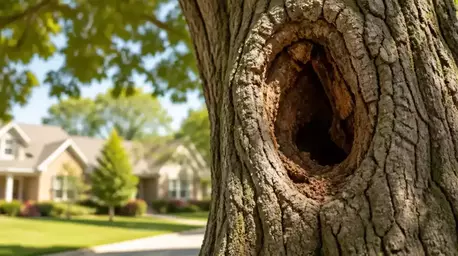
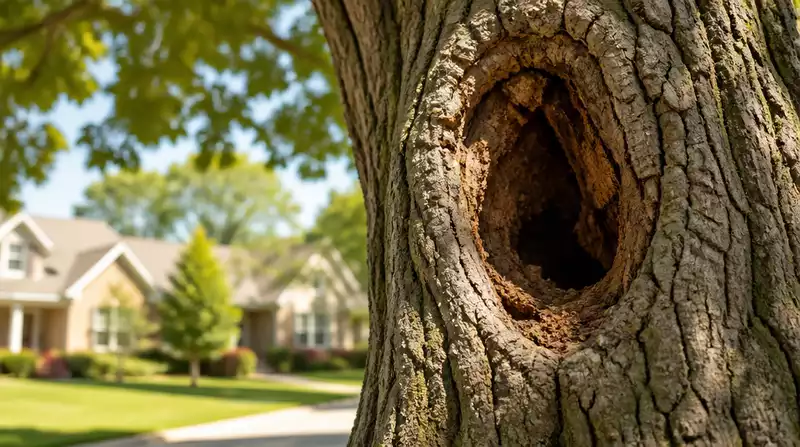
Tree cavities are hollow spaces that can form in a tree due to various natural processes or decay. These cavities often develop when a tree is damaged, suffers from disease, or experiences rot. As a passionate arborist at Safe Canopy Care, I can attest that understanding these cavities is crucial for maintaining tree health and ensuring safety on your property.
When a tree's bark is compromised, it can open the door for fungi and insects, leading to further decay. Over time, the wood within the tree may weaken, creating voids that can impact its overall structural integrity. It's vital to inspect your trees regularly, especially if they show signs of damage or age.
The Relevance of Structural Safety in Trees
Structural safety in trees is particularly important, especially those located near homes, roads, or other infrastructures. Trees that become unstable due to cavities pose a risk not only to themselves but also to the structures and people around them. By prioritizing tree safety, you can protect your family and property from potential hazards.
At Safe Canopy Care, we emphasize the significance of proactive tree management. Implementing regular inspections can help identify issues before they escalate, allowing homeowners to enjoy their green spaces without worry. Think of it as safeguarding your outdoor sanctuary from unforeseen dangers! For additional insights on maintaining tree health, explore our long-term tree risk management tips.
Key Tree Species Affected by Cavities
Several tree species are more prone to developing cavities, and understanding these can help you monitor your trees effectively. Common types include:
Oak - Prone to decay due to its expansive branches and susceptibility to disease.
Beech - Known for its beautiful foliage, but can develop cavities from old age and stress.
Maple - Often affected by internal decay leading to weak branches.
Pine - Susceptible to wood-boring insects and fungal infections, which can create cavities.
As a tree safety expert, I encourage homeowners to pay special attention to these species. By recognizing their vulnerabilities, you can take steps to ensure their well-being and protect your property from potential risks.
Assessing the Risks Posed by Tree Cavities
Key Factors Influencing Risk: Size, Location, and Depth
When assessing the risks of tree cavities, several factors come into play, such as size, location, and depth. Larger cavities typically indicate more severe decay, while their location—whether at the base, trunk, or branches—can significantly affect the tree's stability. Additionally, the depth of the cavity and remaining wall thickness are crucial in evaluating structural integrity.
As you look at your trees, consider how these factors may influence their health. For instance, a deep cavity at the base of a tree can compromise its stability far more than a shallow one located higher up. Addressing these issues early can prevent complications down the road!
Base vs. Trunk vs. Branch Cavities: Understanding the Differences
It’s essential to distinguish between the different types of cavities to understand their associated risk levels. Here’s a quick comparison:
Base Cavities - These are often the most dangerous, as they can lead to severe instability.
Trunk Cavities - Located on the main stem, these can weaken the tree's structure but may be manageable with proper care.
Branch Cavities - Often less critical, but if significant, they can lead to branch failure and pose risks to people and property.
Identifying the location and type of cavity helps in determining the necessary actions to take. Remember, when in doubt, consulting with an expert like myself can provide clarity and guidance on maintaining tree safety! For further assistance in determining the best course of action, you might find our article on using a tree service directory helpful.
Signs of Decay: How to Identify Risk in Your Tree
As a homeowner, it’s helpful to know how to identify signs of decay in your trees. Some visual cues to look for include:
Cracks or splits in the bark.
Soft or spongy areas on the trunk or branches.
Visible fungal growth, such as mushrooms or conks.
A change in leaf color or reduced foliage.
If you notice any of these signs, it’s wise to reach out to a professional arborist. At Safe Canopy Care, we offer expert assessments to help you understand the health of your trees and what steps to take to ensure their safety.
Understanding Wood Decay and Fungal Infection
Wood decay and fungal infections are significant contributors to cavity formation in trees. Fungi can invade the tree, breaking down its structure and causing internal rot. Over time, this can lead to large cavities that severely compromise the tree’s ability to support itself.
Understanding these processes is vital for effective tree management. Not only does this knowledge help in identifying at-risk trees, but it also equips homeowners with the tools to implement preventative measures. At Safe Canopy Care, we're dedicated to educating our community about these essential aspects of tree care!
Pro Tip
Did you know that applying tree wound sealants can help protect a tree from further decay after a cavity is discovered? These products can create a barrier against fungi and insects, promoting healing and reducing the risk of additional damage. However, always consult with a certified arborist before application to ensure it's appropriate for your tree's health.
Summarizing the Importance of Tree Cavities in Structural Safety
Key Takeaways for Homeowners and Property Managers
Understanding tree cavities is crucial for maintaining the safety of your property. These cavities can significantly affect a tree's structural integrity, especially if they occur in species like Oak, Beech, Maple, and Pine. Here are some key takeaways to consider:
Regular Inspections: Schedule inspections with a certified arborist to catch potential issues early.
Know Your Trees: Familiarize yourself with the types of trees on your property and their susceptibility to cavities.
Monitor Changes: Look for signs of decay or damage, especially after storms or harsh weather.
Educate Yourself: Understanding how tree cavities form can help you take proactive steps to protect your trees.
At Safe Canopy Care, we emphasize the importance of these takeaways to help you safeguard your outdoor spaces. Taking these steps not only protects your property but also enhances your peace of mind.
Encouraging Proactive Tree Care and Inspection
Proactive tree care is essential in preventing potential hazards associated with tree cavities. Regular inspections can uncover hidden risks and ensure that your trees remain healthy and safe. Here are some recommendations for maintaining proactive care:
Schedule Annual Inspections: Work with an arborist to assess tree health and structural integrity.
Implement a Maintenance Plan: Develop a plan for ongoing care, including pruning and monitoring for changes.
Be Aware of Environmental Factors: Understand how weather patterns and soil conditions can affect tree health.
Educate Family and Staff: Share knowledge about tree care and safety with those around you to foster a culture of awareness.
By prioritizing regular inspections and maintenance, you can significantly reduce the risks associated with tree cavities. Remember, at Safe Canopy Care, we’re here to help you every step of the way!
Taking Action: Next Steps for Tree Risk Management
Engaging with Arborists and Tree Care Professionals
Taking action is vital when it comes to managing tree risk. Engaging with arborists and tree care professionals is the best way to ensure the health and safety of your trees. Here are some steps you can take:
Schedule an Assessment: Reach out to a certified arborist for a thorough evaluation of your trees.
Follow Recommendations: Act on the expert advice provided for maintenance or necessary treatments.
Stay Informed: Keep up to date with best practices in tree care and safety.
Utilize Resources: Take advantage of educational programs, like our Tree Safety Masterclass, to enhance your knowledge.
By consulting with tree care experts, you’ll be able to make informed decisions that protect your property and loved ones. Remember, we at Safe Canopy Care are dedicated to helping you safeguard your environment! For more information on proactive safety, consider reading our guide on safety through proactive tree care.
Sharing Experiences: The Value of Community Knowledge
Engaging with the community can amplify your understanding of tree safety. Sharing experiences with neighbors or other homeowners can provide valuable insights and tips. Here’s how you can contribute:
Join Local Forums: Participate in community discussions about tree care and safety.
Ask Questions: Don’t hesitate to reach out for advice or share your concerns with others.
Share Your Stories: Whether positive or challenging, your experiences can help others learn.
Encourage Group Inspections: Organize neighborhood tree inspections to foster a collective approach to safety.
At Safe Canopy Care, we believe that knowledge sharing is key to community safety. Let’s work together to enhance tree care awareness and ensure safer outdoor environments for everyone! You can also find resources and tips in our article on tree safety community awareness steps.
Frequently Asked Questions About Tree Cavities
What are tree cavities?
Tree cavities are hollow spaces that form in a tree, usually due to damage, disease, or rot. They can compromise a tree's structural integrity.
Which tree species are most susceptible to cavities?
Oak, Beech, Maple, and Pine trees are commonly more prone to developing cavities due to their growth habits and susceptibility to specific diseases and pests.
How can I identify a tree cavity?
Look for visual cues such as cracks or splits in the bark, soft or spongy areas on the trunk or branches, visible fungal growth (like mushrooms), or changes in leaf color and reduced foliage.
Are all tree cavities equally dangerous?
No. The risk posed by a tree cavity depends on its size, location (base, trunk, or branch), and depth. Base cavities are generally the most dangerous, while branch cavities are often less critical.
What causes wood decay and fungal infection in trees?
Fungi can invade a tree through compromised bark, breaking down its internal structure and leading to rot. This process creates and enlarges cavities over time.
What should I do if I find a cavity in my tree?
It is highly recommended to contact a certified arborist for a professional assessment. They can evaluate the cavity's severity and recommend appropriate action, such as treatment or removal.
Can tree wound sealants help with cavities?
Tree wound sealants can create a barrier against further fungi and insects, potentially aiding healing and reducing additional damage. However, always consult with a certified arborist before applying any products to ensure it's suitable for your tree's condition.
Recap of Key Points
Here is a quick recap of the important points discussed in the article:
Tree Cavities: Hollow spaces in trees that can result from damage, disease, or decay, affecting structural integrity.
Risk Assessment: Consider size, location, and depth of cavities when evaluating tree stability.
Regular Inspections: Schedule routine assessments with a certified arborist to catch potential issues early.
Recognize Vulnerable Species: Monitor tree species such as Oak, Beech, Maple, and Pine for signs of cavities.
Signs of Decay: Look for cracks, soft areas, fungal growth, and changes in foliage color as indicators of tree health.
Proactive Tree Care: Implement a maintenance plan, educate family and staff, and be aware of environmental factors affecting tree health.
Engage Professionals: Consult with arborists for evaluations and follow their recommendations for tree care.
Evelyn Hartman
Evelyn Hartman is a dedicated tree safety expert with over a decade of experience in the arboriculture industry. With a passion for protecting homes and properties, Evelyn specializes in proactive tree safety measures, storm preparedness, and emergency response. She is committed to educating homeowners about the importance of tree care and risk prevention, ensuring that families can enjoy their outdoor spaces with peace of mind.

Tree Safety Tips for Driveways
Ensuring the safety of your home extends beyond its walls, particularly when it comes to the trees s
Welcome to Safe Canopy Care
Safe Canopy Care is dedicated to ensuring the safety of your property through proactive tree safety measures. Our mission is to educate homeowners about tree care and risk prevention, providing peace of mind and protecting your assets from tree-related hazards.
Start your tree safety journey by regularly inspecting your trees for dead or decaying branches. Early detection can prevent major hazards!
Don't underestimate the importance of proper tree pruning. Strategic cuts can improve tree health and reduce storm damage risks.
Utilize professional tree assessments. An expert eye can spot hidden dangers and recommend proactive solutions to protect your property.
Ensure your trees are well-hydrated, especially during dry spells. Healthy trees are more resilient to severe weather and disease.
Focus on proper tree planting techniques. Give your young trees the best start for strong root development and long-term stability.
Leverage storm preparedness plans for your outdoor space. Knowing what to do before a storm hits can significantly reduce damage.
Create an emergency response contact list. Have numbers for local arborists and emergency services readily available for tree-related incidents.
Regularly update your knowledge on local tree diseases and pests. Early identification can save your trees and prevent spread.
Use descriptive and user-friendly labels for your tree care tools. Organization saves time during urgent situations.
Incorporate community awareness about tree safety. Share tips with neighbors to foster a safer environment for everyone.
Implement strategic tree removal for hazardous specimens. Sometimes, removing a high-risk tree is the safest long-term solution.
Optimize your landscape design for tree safety. Proper spacing and species selection reduce competition and risk.
Encourage discussions on tree safety in local forums. Positive community engagement enhances overall preparedness.
Monitor and improve your property's overall resilience to natural events. A holistic approach includes tree safety as a core component.
Include a clear call-to-action in every tree safety assessment. This boosts engagement and guides property owners to take proactive steps for a safer canopy!