Homeowner's Storm Prep Checklist
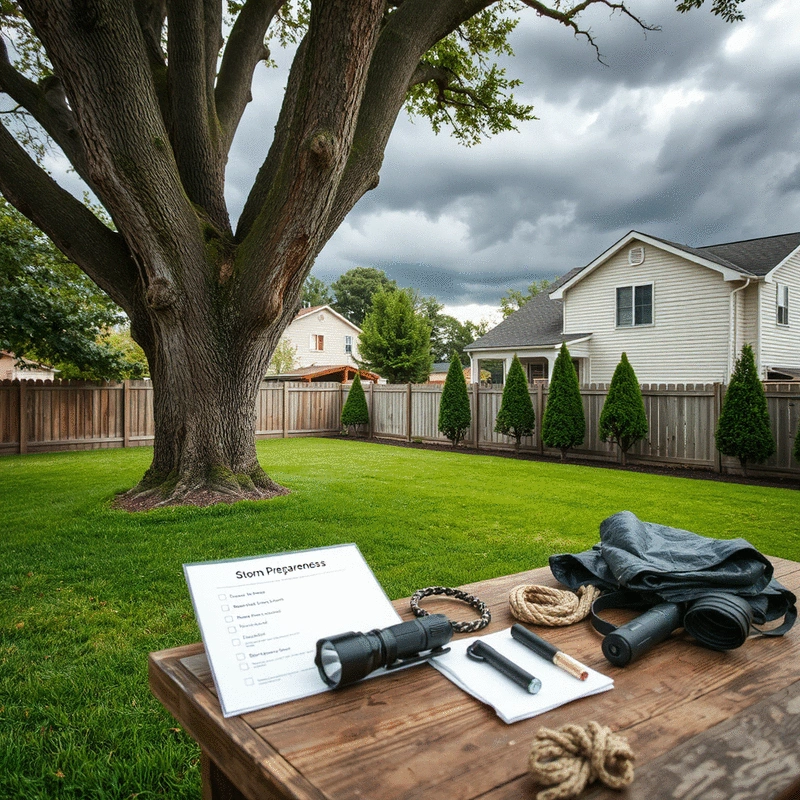
As homeowners, understanding the potential dangers storms pose to our landscapes can be the difference between safety and disaster. With the right preparations, you can protect both your property and loved ones from the unpredictable forces of nature.
What You Will Learn
- The importance of storm preparedness, especially for properties with trees, to minimize damage and ensure safety.
- How to tailor your tree care strategies based on your local climate and the types of storms common in your area.
- The significance of real-time weather updates and how to utilize local resources to stay informed about impending storms.
- Key signs to look for during tree inspections that can indicate vulnerabilities before a storm hits.
- Effective pruning techniques to enhance tree stability and wind resistance, reducing the risk of damage.
- The role of fertilization and disease management in maintaining tree health for better storm resilience.
- Methods for implementing structural support for trees that show signs of weakness.
- How to collaborate with local utility companies to ensure safe tree maintenance near power lines.
- Steps to take for assessing tree damage and safety immediately following a storm.
- Understanding your insurance coverage related to tree damage and the importance of regular tree maintenance.
- The value of creating an emergency preparedness plan to streamline post-storm actions.
- Resources available for homeowners for tree damage assessments and storm preparedness education.
- How to create a personalized storm preparedness checklist tailored to your specific property needs.
- Sustainable landscaping practices that enhance resilience while promoting overall tree health.
Key Storm Preparedness Strategies for Homeowners
Here are important preparation strategies outlined for effective tree care and storm readiness, ensuring your property is secure. For more detailed insights into managing long-term tree risks, consider exploring comprehensive long-term tree risk management tips.
1. Conduct Comprehensive Tree Inspections
Look for cracks, decay, and dead branches to identify vulnerabilities. Regular inspections can prevent hazardous situations.
2. Prune and Trim for Wind Resistance
Remove dead or weak branches and thin out dense foliage to improve stability during storms.
3. Monitor Tree Health with Fertilization
Implement a fertilization plan for optimal growth and resilience against harsh weather.
4. Engage with Local Utility Companies
Collaborate on maintenance programs to reduce risks associated with tree proximity to power lines.
Essential Steps for a Comprehensive Storm Preparedness Checklist
Understanding the Importance of Storm Preparedness for Homeowners with Trees
As a homeowner with trees on your property, it's crucial to understand the risks that storms can pose. When strong winds and heavy rains arrive, trees can become unstable, leading to potential damage to both the trees and your home. The consequences can be severe, with falling branches or uprooted trees causing costly repairs and safety hazards.
By prioritizing storm preparedness, you not only protect your property but also ensure the safety of your family. Taking proactive steps can significantly reduce risks and provide peace of mind, especially during storm season. Imagine the comfort of knowing that your trees are well-cared for and ready to withstand nature's fury!
Local Climate and Storm Types: Tailoring Your Preparedness
Understanding your local climate and the types of storms common in your area is essential for effective tree preparedness. Different regions face unique challenges, whether it's hurricanes, ice storms, or tornadoes, and each requires specific strategies. For instance, hurricanes can cause strong winds and flooding, while ice storms may weigh down branches and make them more prone to breaking.
To tailor your preparedness, consider these common storm types in your area:
- Hurricanes: Focus on securing loose branches and ensuring proper drainage.
- Ice Storms: Regularly remove dead or weak branches to minimize the risk of breakage.
- Tornadoes: Assess the stability of large trees and consider removal if they pose a risk.
By adapting your approach based on local conditions, you'll be better equipped to protect your home and trees during storms. For additional guidance, check out these storm-ready landscaping tips.
Utilizing Local Weather Stations for Real-Time Updates
Staying informed about impending storms is crucial for timely preparations. Local weather stations offer valuable real-time updates that can help you monitor changing conditions. By keeping an eye on forecasts and alerts, you can take necessary precautions well in advance.
To make the most of local weather information, consider these tips:
- Subscribe to weather alert services for timely notifications.
- Follow local meteorologists on social media for updates and safety tips.
- Use weather apps that provide real-time data on storm paths and intensity.
By leveraging these resources, you’ll feel more confident about tackling storm preparedness and ensuring the safety of your trees and property.
Detailed Pre-Storm Preparation Strategies
Comprehensive Tree Inspection for Vulnerabilities
Before a storm strikes, conducting a thorough tree inspection is essential for identifying potential vulnerabilities. Look for signs of weaknesses like cracks, decay, and dead branches that could lead to failure during severe weather. These inspections can be the difference between a safe yard and one filled with hazards.
Key signs to check during your inspection include:
- Cracks in the trunk: These may indicate structural issues.
- Decay or fungi: Look for unusual growths that suggest rot.
- Weak or broken branches: Prune these to prevent them from becoming dangerous projectiles.
Being proactive about these inspections ensures that you can address problems before they escalate into emergencies!
Pruning and Trimming for Enhanced Wind Resistance
Effective pruning and trimming can significantly enhance a tree's ability to withstand strong winds. By removing excess weight and ensuring a balanced structure, you help the tree stand strong during storms. Here are some actionable tips for proper tree maintenance:
- Remove dead or weak branches to reduce the risk of breakage.
- Thin out dense foliage to allow wind to pass through more easily.
- Cut branches that are too close to your home or power lines.
When trees are well-maintained, they are much more likely to endure the challenges that storms bring. Plus, you’ll find that your landscape looks healthier and more vibrant! For further information on identifying potential hazards, consult our guide on dangerous trees identification.
Maintaining Tree Health: Fertilization and Disease Management
Regular tree health maintenance plays a vital role in storm preparedness. A healthy tree is more resilient against harsh weather. Consider implementing a fertilization and disease management plan to keep your trees in optimal condition.
Key elements of tree health maintenance include:
- Fertilization: Use the right nutrients to promote growth and strength.
- Disease management: Monitor for common diseases and pests that can weaken trees.
- Watering: Ensure trees receive adequate water, especially during dry spells.
Taking these steps can make a significant difference in the trees' ability to handle storm stress, setting you up for success!
Implementing Structural Support for Vulnerable Trees
For trees that show signs of vulnerability, structural support can be a lifesaver. Techniques like cabling and bracing can help stabilize trees at risk of falling. Consulting a professional can provide insights into the best methods for your specific trees.
Here’s how you can implement these techniques:
- Cabling: Use cables to limit the movement of weak branches.
- Bracing: Install braces to provide additional support to vulnerable trunks.
- Staking: Young trees can be staked to help them grow straight and strong.
By investing in these supports, you'll have greater peace of mind as storms approach, knowing that your trees are better protected!
Engaging with Local Utility Companies for Tree Maintenance
Collaboration with local utility companies can help maintain trees that may pose risks during storms. These companies often have programs focused on tree trimming and removal near power lines, which can prevent outages and hazards.
To engage effectively, consider the following:
- Contact your local utility company to learn about their tree maintenance programs.
- Ask about the best practices for tree placement near power lines.
- Inquire about any available resources for homeowners to manage tree risks.
Working together with these companies ensures a safer environment for your home and community while reducing the risk of storm-related power interruptions. For more information on finding reliable professionals, check out our guide on using a tree service directory.
Quick Summary
Here's a brief recap of the key points discussed so far:
- Understanding the risks that storms pose to homeowners with trees is crucial for safety and property protection.
- Tailoring your preparedness strategies based on local climate and storm types enhances your response to potential threats.
- Regular tree inspections and maintenance, including proper pruning and health management, are essential for resilience against storms.
Post-Storm Recovery: Steps to Take After a Storm Hits
Assessing Tree Damage and Safety
After a storm, the first step for homeowners is to assess their trees for any damage. Start by looking for obvious signs such as broken branches, cracks in the trunk, or leaning trees. Remember, safety is key! If a tree is leaning precariously or has fallen on your property, it might be best to call in a professional.
Here are some tips to safely evaluate tree damage:
- Check for downed branches and debris around the tree.
- Look up to see if any branches are hanging or stuck in other trees.
- Observe the base of the tree for any signs of uprooting.
As a tree safety expert at Safe Canopy Care, I understand that after severe weather, it can be overwhelming. But taking these safety measures can help you make informed decisions without putting yourself at risk!
Insurance and Liability: Understanding Coverage for Tree Damage
It's crucial for homeowners to understand how regular tree maintenance can impact their insurance coverage. Most policies cover damage from fallen trees, but how often have you inspected your trees? Regular care can not only prevent damage but can also improve your chances of a successful claim.
When evaluating your insurance coverage, consider the following:
- Check your policy for specific clauses regarding tree damage.
- Document your tree maintenance history, including regular inspections and care.
- Contact your insurance agent for clarification on coverage limits and exclusions.
Being proactive can save you time and stress during the claims process, making it essential to stay informed about your coverage!
Utilizing Emergency Preparedness Plans for Post-Storm Actions
Having an emergency preparedness plan is vital for dealing with post-storm scenarios. This plan should outline steps to take immediately after a storm, helping you act quickly and efficiently. Here's how you can structure your plan:
- Create a list of important contacts, including emergency services and local tree care professionals.
- Outline steps for assessing property damage and securing your home.
- Include guidelines for safely clearing debris and accessing damaged trees.
Remember, being prepared not only eases your mind but also helps protect your loved ones and property. At Safe Canopy Care, we emphasize the importance of proactive planning to help you navigate these stressful times! For more essential guidance, refer to our essential tree emergency tips.
Engaging and Educating Homeowners
FAQs: Common Questions About Storm Preparedness for Trees
As I connect with homeowners, many have similar questions about tree care and storm preparedness. Here are some of the most frequently asked questions:
Q: How often should I inspect my trees for damage?
A: Ideally, trees should be inspected at least once a year by a professional arborist, and more frequently by homeowners after severe weather events or if any changes in tree health are noticed. This helps catch vulnerabilities before they become major issues.
Q: What signs indicate a tree needs to be removed?
A: Signs include extensive decay, large dead branches, severe leaning, cracks in the trunk, root damage, or if the tree is hollow. If you notice these, it's best to consult a certified arborist for a professional assessment.
Q: Can I prune my trees myself?
A: Minor pruning of small, accessible branches can often be done by homeowners. However, for larger branches, high-up cuts, or significant structural pruning, it's highly recommended to hire a certified arborist to ensure safety and proper technique, which is crucial for the tree's health and your safety.
Q: How can I protect young trees from storm damage?
A: Young trees can benefit from proper staking to provide support as they establish their root systems. Ensure stakes are removed after a year or two to allow the trunk to strengthen naturally. Regular watering and mulching also promote healthy growth, making them more resilient.
Q: What should I do if a tree falls on my house during a storm?
A: Prioritize safety first. Ensure everyone is safe and away from immediate danger. Contact emergency services if necessary, then your insurance company to report the damage. Lastly, call a professional tree removal service, like Safe Canopy Care, to safely remove the tree and assess further property damage.
By answering these questions, we can empower homeowners to take charge of their tree safety. Remember, knowledge is power when it comes to protecting your home and family!
Utilizing Technology for Tree Monitoring
Modern technology provides fantastic tools to help homeowners monitor their trees effectively. Here are some solutions you might consider:
- Tree monitoring apps that track tree health and alert you to changes.
- Smart irrigation systems to ensure your trees receive adequate hydration.
- Online resources and platforms for tree care advice and guidance.
These tools not only enhance your tree care efforts but can also help you stay one step ahead during storm seasons. At Safe Canopy Care, we believe in leveraging technology to create safer outdoor spaces!
Local Resources for Storm Damage Assessment Guidelines
It's essential to know where to turn for help after a storm. Local resources can provide invaluable information on assessing storm damage. Consider these options:
- Your local extension service for tree care advice.
- Community workshops on storm preparedness and tree care.
- Consulting with certified arborists in your area for professional assessments.
Utilizing these resources can make a significant difference in your post-storm recovery efforts. Don't hesitate to reach out to local experts for support!
Encouraging Action: Preparing Your Home and Trees Today
Creating Your Personalized Storm Preparedness Checklist
Now is the perfect time to create your personalized storm preparedness checklist! This checklist should include all the strategies we've discussed, helping you stay organized and proactive. For convenience, consider downloading a printable PDF to keep handy!
Here are some key items to include:
- Regular tree inspections and maintenance routines.
- Emergency contacts and local resources.
- Preparation tasks to complete before storm season.
Taking these steps today means you're not just reacting to storms; you're preparing to protect your home and family effectively!
Connecting with Local Resources: Finding Certified Arborists
Finding certified arborists is essential for effective tree assessments and maintenance. Here's how to locate the right professionals in your area:
- Ask for recommendations from friends or neighbors.
- Check local directories and online reviews.
- Contact local tree care companies, like Safe Canopy Care, for referrals.
Working with certified arborists ensures your trees are in good hands, providing you with peace of mind as you prepare for storms!
Incorporating Sustainable Landscaping Practices for Resilience
Embracing sustainable landscaping can enhance your property's resilience against storms while maintaining tree health. Here’s how you can get started:
- Choose native tree species that thrive in your climate.
- Implement erosion control techniques to protect your landscape.
- Use mulch to retain soil moisture and reduce stress on trees.
Sustainable practices not only benefit your trees but also contribute to a healthier environment. At Safe Canopy Care, we advocate for responsible tree care that promotes safety and sustainability! For more tips on how to protect trees from storm damage, explore our detailed guide.
Recap of Key Points
Here is a quick recap of the important points discussed in the article:
- Prioritize storm preparedness to protect your home and ensure family safety.
- Tailor your preparedness strategies based on local climate and common storm types.
- Utilize local weather stations for real-time updates to stay informed about impending storms.
- Conduct comprehensive tree inspections to identify vulnerabilities before a storm hits.
- Implement proper pruning and trimming techniques to enhance trees' wind resistance.
- Maintain tree health through fertilization and disease management for greater resilience.
- Consider structural support for vulnerable trees to prevent damage during storms.
- Engage with local utility companies for tree maintenance to reduce storm-related risks.
- After a storm, assess tree damage safely and understand your insurance coverage for potential claims.
- Create an emergency preparedness plan outlining steps for post-storm actions and recovery.

Evelyn Hartman
Evelyn Hartman is a dedicated tree safety expert with over a decade of experience in the arboriculture industry. With a passion for protecting homes and properties, Evelyn specializes in proactive tree safety measures, storm preparedness, and emergency response. She is committed to educating homeowners about the importance of tree care and risk prevention, ensuring that families can enjoy their outdoor spaces with peace of mind.
Popular Posts
Tree Risk Management for Outbuildings
![Tree Risk Management for Outbuildings]() ##
Have you ever considered how the trees around your property could impact the safety of your outbu
##
Have you ever considered how the trees around your property could impact the safety of your outbu
 ##
Have you ever considered how the trees around your property could impact the safety of your outbu
##
Have you ever considered how the trees around your property could impact the safety of your outbu
Tree Cavities and Structural Safety
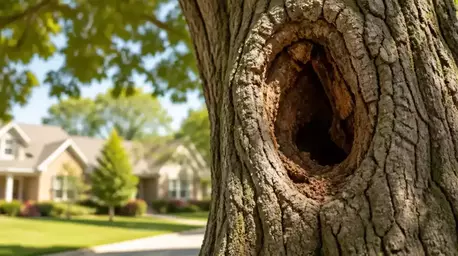
![Tree Cavities and Structural Safety]() Have you ever wondered how the health of a tree can directly impact your property’s safety? Unders
Have you ever wondered how the health of a tree can directly impact your property’s safety? Unders
 Have you ever wondered how the health of a tree can directly impact your property’s safety? Unders
Inspecting Tree Canopies for Safety
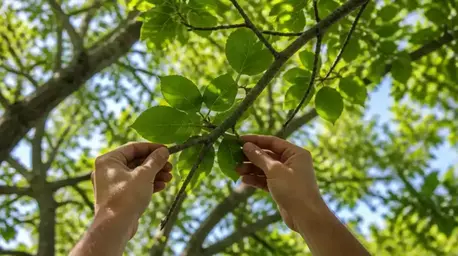
![Inspecting Tree Canopies for Safety]() As severe weather approaches, the safety of your property hangs in the balance. By understanding the
As severe weather approaches, the safety of your property hangs in the balance. By understanding the
 As severe weather approaches, the safety of your property hangs in the balance. By understanding the
Tree Safety Tips for Driveways
![Tree Safety Tips for Driveways]() Ensuring the safety of your home extends beyond its walls, particularly when it comes to the trees s
Ensuring the safety of your home extends beyond its walls, particularly when it comes to the trees s
 Ensuring the safety of your home extends beyond its walls, particularly when it comes to the trees s
