Hazardous Tree Warning Signs
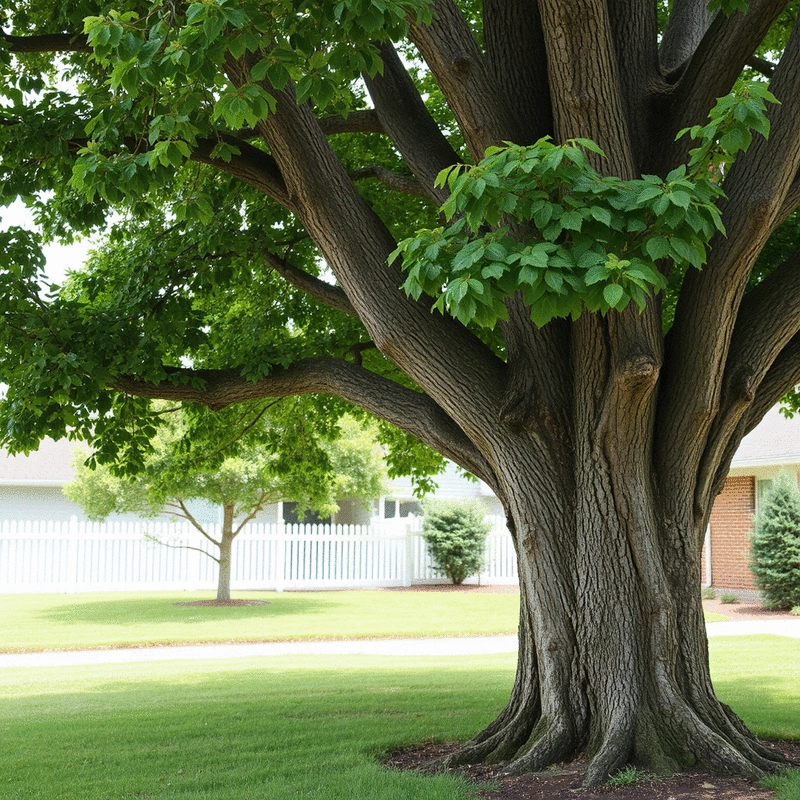
Tree safety is not just about aesthetics; it's a matter of protecting your property and loved ones. With the right knowledge and tools, every homeowner can take proactive steps to ensure their trees are safe. Understanding tree hazards can save you from costly damages and enhance your property's value.
What You Will Learn
- The importance of regularly assessing tree health and safety to prevent hazards.
- Visual indicators that can help identify dangerous trees, such as dead branches and leaning trunks.
- The significance of understanding liability and insurance implications related to tree hazards.
- How local regulations can impact tree care decisions and the importance of consulting experts for guidance.
- The benefits of utilizing resources like diagnostic tools and inspection protocols for ongoing tree maintenance.
- The necessity of making informed decisions regarding tree removal and pruning based on a cost-benefit analysis.
Key Considerations for Tree Safety
Understanding the factors involved in tree safety can help homeowners make informed decisions. Below are some vital comparisons to consider when managing tree hazards. To learn more about identifying potential risks, check out our Dangerous Trees Identification Guide.
Cost of Tree Removal vs. Pruning
Tree Removal: Higher upfront costs but prevents future damages.
Pruning Costs: Generally lower, but may require ongoing maintenance.
Impact on Property Value
Well-Maintained Trees: Can enhance property value.
Hazardous Trees: Can decrease property value significantly.
Tree Health Considerations
Healthy Trees: Reduce risks of falling branches.
Unhealthy Trees: Higher risk of causing property damage.
Liability and Insurance Implications
Documenting Tree Conditions: Helps in insurance claims.
Regular Inspections: Demonstrate due diligence to insurers.
Understanding the Risks of Hazardous Trees
As a homeowner, understanding the risks associated with hazardous trees is essential for protecting both your property and family. Trees can be incredibly beautiful and beneficial, but when they become dangerous, they can pose serious threats. It’s crucial to recognize the signs of potential hazards and take proactive steps to address them. That’s where Safe Canopy Care comes in—our mission is to help you identify these risks before they become emergencies!
A crucial aspect of tree safety is knowing how to assess your trees effectively. This involves not just visual inspections, but also understanding the structural integrity of your trees and their environment. Are there any visible defects? Are they situated near power lines or structures? With a little knowledge and awareness, you can keep your outdoor spaces safe and enjoyable. For more detailed information on preventing risks, explore our Long-Term Tree Risk Management Tips.
The Importance of Tree Safety for Homeowners
Tree safety should be a top priority for homeowners, especially in areas prone to severe weather. When trees are not adequately maintained, they can cause damage to homes, vehicles, and even injuries to family members or pets. Here are some key reasons why tree safety matters:
- Property Protection: Well-maintained trees can enhance your property's value, while hazardous trees can lead to costly repairs.
- Safety First: Regular inspections help mitigate risks of falling branches or uprooted trees that could harm people or pets.
- Peace of Mind: Knowing that your trees are in good condition allows you to enjoy your outdoor space without worry.
At Safe Canopy Care, we focus on proactive measures to ensure your trees remain safe and healthy. We believe that education is key, so take the time to learn about your trees and their needs!
Visual Indicators of Dangerous Trees
Identifying hazardous trees starts with understanding the visual indicators. Regularly inspecting your trees for signs of distress can help you catch potential problems early. Here are some common visual signs to watch out for:
- Dead or Dying Branches: These can fall unexpectedly and pose a risk.
- Exposed Roots: This can indicate instability, especially after heavy rains.
- Leaning Trees: A tree that leans significantly may be at risk of falling.
- Fungal Growth: Mushrooms and other fungi indicate decay.
By keeping an eye out for these indicators, you can take timely action to protect your property. Remember, being proactive about tree care not only safeguards your home, but it also contributes to a healthier environment.
Identifying Structural Defects in Trees
Now that you understand the importance of tree safety and some visual indicators, let’s dive into identifying structural defects. Recognizing these defects is key to preventing hazardous situations. After all, a tree that looks healthy from a distance can still have hidden issues!
One common issue is weak branch attachments. If branches are improperly attached to the trunk, they may break off during storms or high winds. Additionally, signs of cracks and splits in tree trunks can indicate severe stress on the tree. These conditions can lead to tree failure, making it essential to inspect your trees regularly. For situations requiring professional intervention, consider checking out Hazardous Tree Removal Best Practices.
Quick Summary
Here's a brief recap of the key points discussed so far:
- Understanding the risks of hazardous trees is crucial for protecting your property and family.
- Regular inspections and recognizing visual indicators can help you identify potential tree hazards.
- Making informed decisions regarding tree care is essential for maintaining safety and enhancing property value.
Frequently Asked Questions About Tree Safety
Here are some common questions homeowners have about tree safety and hazard management:
- Q: How often should I inspect my trees for hazards?
- A: It's recommended to conduct a thorough visual inspection of your trees at least once a year, preferably in the spring. After severe weather events, an immediate inspection is crucial.
- Q: What are the most common signs of a hazardous tree?
- A: Key indicators include dead or dying branches, significant leaning, cracks or splits in the trunk, exposed roots, and fungal growth at the base or on the trunk.
- Q: Should I prune or remove a hazardous tree?
- A: This depends on the severity of the hazard. Minor issues might be resolved with pruning, while severe structural defects or extensive decay often necessitate removal. Consulting a certified arborist is highly recommended for this decision.
- Q: How can local regulations affect my tree care decisions?
- A: Many municipalities have tree protection ordinances that may restrict removal or require permits for certain tree work. Always check with your local authorities before undertaking significant tree removal or pruning projects.
- Q: What role does insurance play in tree-related damages?
- A: Homeowner's insurance typically covers damage caused by trees, but coverage can vary. It's vital to review your policy and document regular tree inspections to demonstrate due diligence in case of a claim.
Making Informed Decisions About Tree Hazards
When it comes to managing tree hazards, making informed decisions is essential. As a homeowner, weighing the options of tree removal versus pruning can be a daunting task. In my experience with Safe Canopy Care, I find that understanding the cost-benefit analysis of each option helps clarify the best course of action for your property.
Consider these factors when deciding:
- Cost of Removal: Often higher upfront but may prevent costly damages in the future.
- Pruning Costs: Generally lower, but may require ongoing maintenance for hazardous trees.
- Tree Health: Assessing whether a tree can be saved through pruning can impact long-term safety.
- Property Value: A well-maintained landscape can enhance property value, while hazardous trees can decrease it.
Liability and Insurance Implications for Hazardous Trees
It's important to understand how hazardous trees can affect your liability and insurance. If a tree were to fall and cause damage or injury, the responsibility might fall on you as the property owner. That’s why homeowners should proactively evaluate their trees and maintain proper coverage.
Here’s what to consider:
- Check Your Policy: Ensure your homeowner's insurance covers tree-related incidents.
- Document Tree Conditions: Keep records and photos of your trees' health for potential claims.
- Regular Inspections: Conducting routine assessments can demonstrate due diligence.
Understanding Local Regulations and Tree Protection Ordinances
Before making decisions about tree care, it's crucial to understand your local regulations. Some areas have specific ordinances that protect certain trees or require permits for removal. This aspect can often feel overwhelming, but knowledge is power! For more detailed guidance, consider using a tree service directory to find local experts.
Here’s how to navigate local regulations:
- Check with Local Authorities: Find out about tree protection laws in your area.
- Consult Experts: Consider reaching out to arborists or tree care professionals like Safe Canopy Care for guidance.
- Participate in Local Programs: Some communities offer resources for tree care education and safety inspections.
Engagement and Resources for Homeowners
At Safe Canopy Care, we believe in empowering homeowners with the right resources. This creates a more informed community that understands tree safety. That's why I’m excited to share some valuable tools to help you assess and manage tree hazards on your property.
Downloadable Decision-Tree Diagnostic Tool
Our Decision-Tree Diagnostic Tool is a handy resource that guides you through evaluating your trees. It's designed to help you identify potential hazards easily.
- Step-by-Step Questions: Answer simple questions to assess tree safety.
- Visual Aids: Includes images to help you recognize signs of danger.
- Actionable Steps: Provides clear recommendations based on your assessment.
Step-by-Step Post-Storm Inspection Protocol
After a storm, inspecting your trees is critical! I can’t stress enough how post-storm evaluations can prevent future hazards. Our Post-Storm Inspection Protocol outlines essential steps to take. For additional information on preparing for severe weather, see our guide on Preparing Trees for Storm Season.
- Look for Broken Branches: Assess trees for newly broken branches or fallen limbs.
- Check for Leaning Trees: Inspect if any trees have shifted or leaned significantly.
- Examine Surrounding Areas: Ensure no debris threatens the stability of trees.
Tree Care Tips for Ongoing Maintenance
Ongoing maintenance is key to healthy trees and safer surroundings. At Safe Canopy Care, we emphasize regular care routines to keep trees thriving and minimize risks.
- Schedule Annual Inspections: Regular assessments can identify problems before they escalate.
- Proper Pruning Techniques: Use correct methods to reduce the risk of weak branch attachments.
- Stay Informed on Tree Health: Learn about local tree species and their specific care needs.
Wrapping Up: Ensuring Safety and Health of Your Trees
As we come to a close, it's vital to remember that protecting your property starts with understanding tree hazards. By identifying potential issues and taking proactive measures, you can safeguard your home and family.
Key Takeaways for Tree Hazard Identification
To recap, here are some key takeaways that I hope resonate with you:
- Be vigilant in assessing tree health and safety.
- Stay informed about local regulations and insurance implications.
- Utilize available resources to create a culture of safety in your community.
Call to Action: Regular Tree Assessments for Home Safety
Don’t leave your property’s safety to chance! Regular tree assessments are the best way to ensure your home remains protected. I'm here to support you on your journey toward tree safety, so reach out to Safe Canopy Care today and let’s get started on safeguarding your green guardians!
Recap of Key Points
Here is a quick recap of the important points discussed in the article:
- Assess Tree Health: Regularly inspect your trees for visual indicators of hazards, such as dead branches, leaning, and fungal growth.
- Prioritize Tree Safety: Maintaining trees protects your property and ensures the safety of your family and pets.
- Understand Structural Defects: Look for weak branch attachments and cracks in the trunk, as these can lead to tree failure.
- Make Informed Decisions: Weigh the costs of tree removal versus pruning, considering the long-term health and value of your trees.
- Know Your Liability: Ensure your homeowner's insurance covers tree-related incidents and keep documentation of tree conditions.
- Follow Local Regulations: Be aware of local tree protection ordinances and consult professionals for guidance.
- Utilize Resources: Leverage tools like the Decision-Tree Diagnostic Tool and Post-Storm Inspection Protocol for effective tree management.
- Commit to Ongoing Maintenance: Schedule regular inspections and proper pruning to maintain tree health and minimize risks.

Evelyn Hartman
Evelyn Hartman is a dedicated tree safety expert with over a decade of experience in the arboriculture industry. With a passion for protecting homes and properties, Evelyn specializes in proactive tree safety measures, storm preparedness, and emergency response. She is committed to educating homeowners about the importance of tree care and risk prevention, ensuring that families can enjoy their outdoor spaces with peace of mind.
Popular Posts
Tree Risk Management for Outbuildings
![Tree Risk Management for Outbuildings]() ##
Have you ever considered how the trees around your property could impact the safety of your outbu
##
Have you ever considered how the trees around your property could impact the safety of your outbu
 ##
Have you ever considered how the trees around your property could impact the safety of your outbu
##
Have you ever considered how the trees around your property could impact the safety of your outbu
Tree Cavities and Structural Safety
![Tree Cavities and Structural Safety]() Have you ever wondered how the health of a tree can directly impact your property’s safety? Unders
Have you ever wondered how the health of a tree can directly impact your property’s safety? Unders
 Have you ever wondered how the health of a tree can directly impact your property’s safety? Unders
Inspecting Tree Canopies for Safety
![Inspecting Tree Canopies for Safety]() As severe weather approaches, the safety of your property hangs in the balance. By understanding the
As severe weather approaches, the safety of your property hangs in the balance. By understanding the
 As severe weather approaches, the safety of your property hangs in the balance. By understanding the
Tree Safety Tips for Driveways
![Tree Safety Tips for Driveways]() Ensuring the safety of your home extends beyond its walls, particularly when it comes to the trees s
Ensuring the safety of your home extends beyond its walls, particularly when it comes to the trees s
 Ensuring the safety of your home extends beyond its walls, particularly when it comes to the trees s
