Cracks or Splits
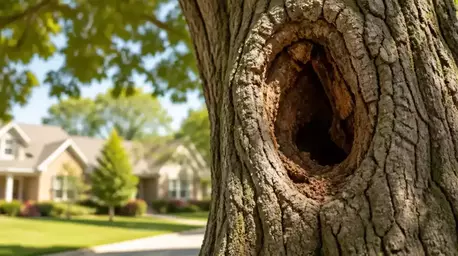
Look for any visible damage to the trunk or branches that may compromise the tree's integrity.
Have you ever considered the hidden dangers lurking in your backyard? Trees, while beautiful, can pose significant risks if not properly assessed. Understanding tree risk assessments is not just a matter of safety; it can save you from costly repairs and protect your loved ones.
Identifying the signs of tree damage promptly can help prevent further risks to your property and safety. Below are key indicators that require immediate attention:
Look for any visible damage to the trunk or branches that may compromise the tree's integrity.
If a tree leans unnaturally, it may be at risk of falling and should be assessed by a professional.
Broken branches that remain attached can pose a hazard and need immediate evaluation.
Uprooted or damaged roots can destabilize trees and lead to potential failure, requiring urgent inspection.
When it comes to maintaining a safe outdoor space, understanding tree risk assessments is essential. These assessments involve a systematic evaluation of trees to identify potential hazards that could threaten people or property. At Safe Canopy Care, we prioritize proactive measures to ensure that your trees are healthy and safe. By engaging in tree risk assessments, homeowners can take crucial steps to prevent accidents and damage. For more information on maintaining a safe environment, consider reading about long-term tree risk management tips.
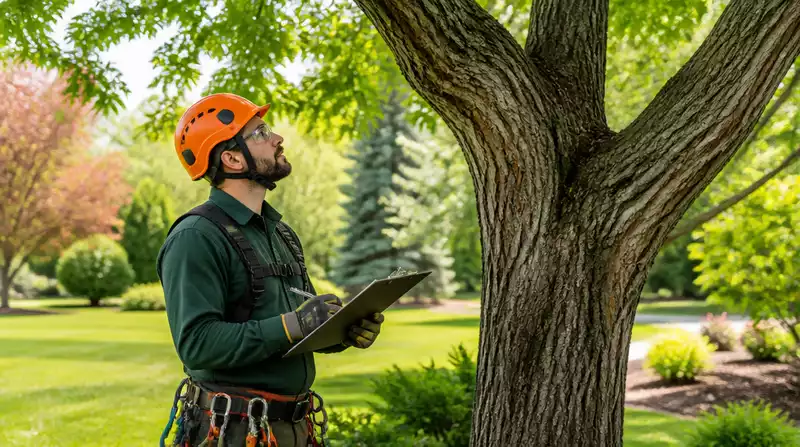
So, what should you expect during a tree risk assessment? Typically, a certified arborist will perform a detailed inspection, examining the tree's structure, health, and surroundings. This includes looking for signs of decay, pest infestations, and structural weaknesses. You can expect a comprehensive report detailing any findings, along with recommendations for care or removal if necessary.
A tree risk assessment is not just a casual glance at your trees; it's a thorough evaluation of their overall condition. You'll want to know the specific aspects being assessed, such as:
By understanding these components, you can better appreciate the importance of having a qualified professional conduct these assessments. At Safe Canopy Care, we leverage our expertise to ensure your trees are not just beautiful, but also safe!
Engaging a certified arborist for tree hazard assessments can make all the difference in identifying risks before they become problems. These professionals are trained to notice things that an untrained eye might overlook. Here are some reasons why involving an *expert* is crucial:
Choosing Safe Canopy Care means you're opting for the best in tree safety expertise. I’m truly passionate about educating homeowners on how to keep their trees safe and healthy! For more insights, explore our tree safety risk prevention tips.
There are several methodologies employed in tree risk assessments, ensuring a well-rounded evaluation. Common practices include:
By using these diverse methodologies, we ensure that no potential risk goes unnoticed. This comprehensive approach is what makes Safe Canopy Care stand out, as we believe in taking every measure to keep your property safe.
Engaging in tree risk assessments offers numerous benefits that go beyond just safety. Let's dive deeper into some of the primary advantages of these evaluations and why they are essential for every homeowner.
Here's a brief recap of the key points discussed so far:
After a severe storm, I often get questions like, "How do I know if my trees are okay?" It's crucial to understand when to schedule a tree risk assessment following harsh weather events. Generally, it's best to arrange an evaluation within a week after the storm has passed. This timeframe allows for accurate assessments, as the tree's condition can change rapidly in the days following severe weather. To learn more about how to prepare your trees, see our guide on preparing trees for storm season.
When storms bring high winds and heavy rain, stress can significantly impact trees. Delaying an assessment could lead to overlooked hazards that become more dangerous over time. It's essential to ensure your trees are healthy and safe, so don't hesitate to reach out for a professional inspection after a storm.
After a storm, certain signs can indicate that a tree needs immediate attention. As a tree safety expert, I can tell you that recognizing these indicators early can prevent further damage to your property and ensure safety for your family.
Some common signs to look for include:
If you notice any of these signs, it's vital to contact a certified arborist for a thorough evaluation. At Safe Canopy Care, we prioritize your safety and peace of mind through proactive tree care and risk assessments.
Investing in tree risk assessments may seem like an extra expense, but it can save you money in the long run. Understanding the cost-effectiveness of these professional evaluations is essential for homeowners and property managers alike.
By conducting a cost-benefit analysis, you can weigh the potential savings from preventative measures against the costs of emergency responses. Many homeowners are surprised by how much they can save by addressing tree risks proactively. Here’s how to create your own cost-benefit calculator:
Real-life examples can illustrate the financial benefits of preventive assessments. Many homeowners who engaged Safe Canopy Care after storms reported significant savings by identifying issues before they escalated. Here are a couple of scenarios:
Regular assessments are not just about immediate safety; they also contribute to your property's long-term value. By investing in tree care, you can maintain healthy trees that enhance your home’s appeal and worth. This proactive approach can result in:
Insurance companies often look favorably on homeowners who take proactive steps to mitigate risks. Having a certified assessment can help reduce liability and potentially lower your premiums. It's a win-win situation when you prioritize tree safety! To ensure your property is fully protected, learn more about homeowners' storm prep checklist.
As we wrap up this discussion, it’s clear that engaging professionals for tree risk assessments offers numerous benefits. From enhancing safety to protecting property value, the advantages are compelling.
Now is the time to take action! Don’t wait for the next storm to put your safety at risk. Schedule your tree risk assessment with Safe Canopy Care today, and let’s work together to protect your home and loved ones. After all, peace of mind is priceless! For assistance in finding qualified professionals, consider using a tree service directory.
Here is a quick recap of the important points discussed in the article:
Evelyn Hartman is a dedicated tree safety expert with over a decade of experience in the arboriculture industry. With a passion for protecting homes and properties, Evelyn specializes in proactive tree safety measures, storm preparedness, and emergency response. She is committed to educating homeowners about the importance of tree care and risk prevention, ensuring that families can enjoy their outdoor spaces with peace of mind.