Tree Safety Tips for Driveways
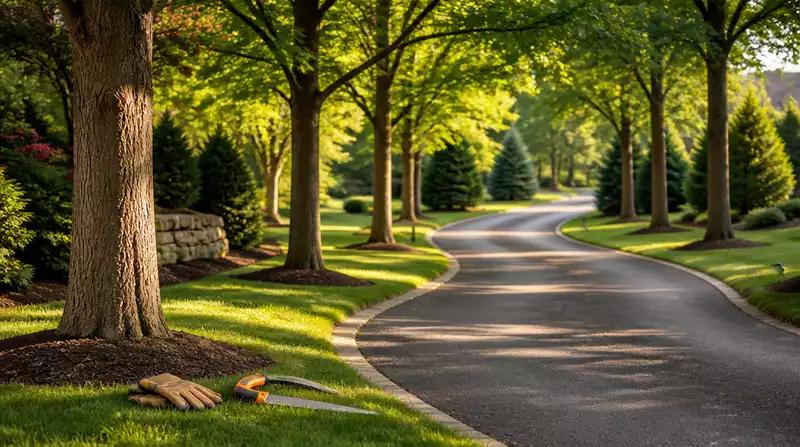
Ensuring the safety of your home extends beyond its walls, particularly when it comes to the trees surrounding your driveways and paths. Neglected trees can present serious hazards that threaten not just property, but lives as well. Recognizing these dangers is the first step in safeguarding your environment.
What You Will Learn
- How to identify key signs of tree hazards, such as leaning trunks and dead limbs, that can lead to accidents.
- The potential impacts of tree hazards on property safety, including the risks of damage to vehicles and structures.
- The importance of regular tree inspections and proactive maintenance to prevent injuries and property damage.
- When to seek professional help from certified arborists to ensure proper tree care and safety.
- Ways to promote community awareness and education regarding tree hazards for the benefit of all homeowners.
Key Tree Hazards Impacting Safety
Understanding the risks associated with tree hazards near driveways and paths is crucial for maintaining safety. Below are three main hazards and their impacts. For a comprehensive guide on identifying potential issues, refer to our article on dangerous trees identification.
Leaning Trunks
A leaning trunk indicates potential instability which can lead to falling trees, especially after severe weather.
Dead Limbs
Dead limbs can fall unexpectedly, posing significant risks to pedestrians and vehicles nearby.
Exposed Roots
Visible roots can indicate tree instability and may cause tripping hazards on pathways.
Cracks in the Trunk
Cracks often signify internal decay, increasing the risk of falling and potential injuries.
Understanding the Importance of Reducing Tree Hazards Near Driveways and Paths
When you think about safety, it often extends beyond just the walls of your home. In our busy lives, driveways and paths are critical areas that require attention—especially when it comes to trees. At Safe Canopy Care, we know that trees can offer beauty and shade, but they can also pose significant risks if not properly managed. Understanding the importance of reducing tree hazards near these areas can keep your family and property safe!
Identifying Tree Hazards: Key Signs to Look For
Identifying tree hazards is the first step in preventing accidents. Trees may show signs of stress or damage that, if ignored, can lead to serious problems. Here are some key signs to look for:
- Leaning trunks—A tree that leans excessively may be unstable.
- Dead limbs—These can fall unexpectedly, posing a risk to anyone nearby.
- Exposed roots—Roots that are visible above ground may indicate instability.
Recognizing Leaning Trunks and Dead Limbs
Leaning trunks can indicate that a tree is not anchored properly, especially after heavy rain or storms. If you spot a trunk tilting, take a closer look! Dead limbs are also a concern; they can break off in windy conditions or during storms, leading to potential injury or property damage. Regular inspections can help you catch these issues early. For more detailed information on preventing such damage, check out our guide to preparing trees for storm season.
Assessing Exposed Roots and Root Heave
Exposed roots are another warning sign, especially if they are lifting from the soil. This root heave can occur due to soil erosion or improper watering. If you notice this, it’s time to assess the tree’s health and stability. Remember, protecting your home starts with recognizing these signs!
Understanding Cracks and Blocked Access Issues
Cracks in the trunk can be a serious indicator of internal decay, making a tree more susceptible to falling. Additionally, consider how tree placement affects access to your driveway. If branches or roots obstruct movement, it may lead to accidents or property damage. Are you aware of how these factors could impact your safety?
Evaluating the Risk: How Tree Hazards Impact Driveways and Paths
Tree hazards can significantly affect the safety of driveways and paths. Knowing how these risks manifest can help you take proactive measures. Here are some key aspects to consider:
- Property safety—Falling branches or trees can damage vehicles and structures.
- Liability risks—If someone gets hurt due to a tree hazard, you could be held responsible.
- Electrical hazards—Trees close to power lines can lead to outages or fires.
The Role of Tree Hazards in Property Safety
Tree hazards directly impact your property’s safety. A falling tree can not only damage your property but also endanger lives. Regular assessments, like the ones we provide at Safe Canopy Care, are essential for identifying potential risks before they escalate into serious issues. It’s all about peace of mind! To further understand how to safeguard your property, read our article on how to protect your home from trees.
Liability Risks Associated with Tree Hazards
If a guest or passerby is injured due to a hazardous tree on your property, you may face liability claims. This is a risk no homeowner wants to take! Taking the time to inspect trees near your driveways and paths can help mitigate these dangers. Wouldn’t you rather focus on enjoying your outdoor space rather than worrying about potential accidents?
Understanding Electrical Hazards Related to Tree Proximity
Trees that grow too close to power lines are not only a hazard to your property but also create electrical risks. Overgrown branches can interfere with power lines and cause outages or, worse, fires. It’s crucial to assess these situations and make necessary adjustments to ensure safety.
Pro Tip
Did you know? Regularly inspecting your trees not only enhances safety but can also improve their longevity. Make it a habit to perform seasonal checks for signs of stress, damage, or disease. This proactive approach can save you from costly repairs and ensure that your trees continue to thrive!
Frequently Asked Questions About Tree Hazards
- What are the key signs of tree hazards?
- Key signs include excessively leaning trunks, dead or hanging limbs, visibly exposed roots (root heave), and cracks in the tree trunk, all of which indicate potential instability or decay.
- How do tree hazards impact property safety?
- Tree hazards can lead to falling branches or entire trees, which can cause significant damage to vehicles, homes, and other structures. They also pose risks to human safety.
- Why are regular tree inspections important?
- Regular inspections help identify potential hazards early, allowing for proactive maintenance to prevent accidents, injuries, and property damage. This also enhances the overall health and longevity of your trees.
- When should I seek professional help for tree care?
- You should seek professional help from certified arborists when you notice significant signs of distress, structural issues (like leaning or large cracks), or if trees are near power lines or structures. Professionals can provide expert assessment and safe removal or maintenance.
- What are the liability risks associated with hazardous trees?
- If a hazardous tree on your property causes injury to a guest or passerby, or damages a neighbor's property, you could be held legally responsible for the damages and medical costs.
Summarizing Key Takeaways for Reducing Tree Hazards
As we wrap up our discussion on the importance of reducing tree hazards near driveways and paths, it's crucial to remember that proactive measures can greatly enhance safety. Regular evaluations and maintenance are not just good practices; they are vital for ensuring that your property remains secure from potential risks. By focusing on tree health and understanding the signs of hazards, homeowners can prevent unexpected accidents.
Here are some essential steps that I recommend for hazard assessment:
- Conduct regular inspections of trees around your property.
- Look for visible signs of distress, like leaning trunks or dead limbs.
- Assess root conditions and surface cracks that may indicate structural issues.
- Stay informed about local regulations regarding tree maintenance and removal.
Prioritizing Safety and Risk Management
Taking safety seriously is key to managing tree-related risks effectively. The first step is being aware of the potential hazards trees can pose, especially near driveways and pathways. Regular assessments allow you to identify problems early and take action before they escalate.
It’s essential not only to inspect but also to engage in proactive maintenance. Here’s why it matters:
- Prevents potential accidents and injuries.
- Protects your property from damage.
- Reduces liability risks associated with hazardous trees.
- Enhances the overall health and longevity of your trees.
Next Steps: Engaging with Professional Services When Necessary
While some tree care can be handled independently, knowing when to call in a professional can make a significant difference. As a tree safety expert, I often see homeowners hesitant to reach out for help, but this can lead to missed dangers. Identifying the right resources for local arborist services can provide peace of mind and expert guidance.
Consider these options for finding professional help:
- Search for ISA Certified Arborists in your area.
- Ask for recommendations from friends or local gardening communities.
- Check online reviews and professional organizations for qualified experts.
Encouraging Community Awareness and Education on Tree Hazards
Community awareness is key to ensuring everyone benefits from tree safety knowledge. By sharing what you learn about tree hazards, you can help your neighbors understand the importance of maintaining their trees. Additionally, participating in local initiatives can promote safe landscaping practices and urban forestry efforts. For more insights on mitigating long-term risks, explore our long-term tree risk management tips.
Here’s how you can contribute:
- Organize neighborhood tree care workshops.
- Share articles and resources on tree safety through community boards or social media.
- Collaborate with local schools to educate children about trees and their care.
Call to Action for Homeowners
Take Charge of Your Property’s Safety Today
Now that you have a deeper understanding of tree hazards, it's time to take action. By utilizing the Tree Safety Essentials Checklist I offer at Safe Canopy Care, you can quickly identify risks around your property. This simple tool is invaluable for ensuring your trees remain healthy and your home stays safe.
Additionally, I encourage you to join local initiatives focused on safe landscaping practices. Together, we can cultivate a community that prioritizes tree safety and enhances our shared environment.
- Download the Tree Safety Essentials Checklist from our website.
- Participate in community clean-up events or tree-planting days.
- Engage with local arborists for further education and support.
Recap of Key Points
Here is a quick recap of the important points discussed in the article:
- Identify Tree Hazards: Look for signs such as leaning trunks, dead limbs, and exposed roots to assess tree health.
- Evaluate Risks: Consider how tree hazards can impact property safety, create liability risks, and pose electrical hazards.
- Conduct Regular Inspections: Regularly inspect trees around driveways and paths to catch potential issues early.
- Engage Professionals When Necessary: Know when to seek help from certified arborists for tree maintenance and safety assessments.
- Promote Community Awareness: Share knowledge about tree hazards and participate in local initiatives to educate others.

Evelyn Hartman
Evelyn Hartman is a dedicated tree safety expert with over a decade of experience in the arboriculture industry. With a passion for protecting homes and properties, Evelyn specializes in proactive tree safety measures, storm preparedness, and emergency response. She is committed to educating homeowners about the importance of tree care and risk prevention, ensuring that families can enjoy their outdoor spaces with peace of mind.
Popular Posts
Tree Risk Management for Outbuildings
![Tree Risk Management for Outbuildings]() ##
Have you ever considered how the trees around your property could impact the safety of your outbu
##
Have you ever considered how the trees around your property could impact the safety of your outbu
 ##
Have you ever considered how the trees around your property could impact the safety of your outbu
##
Have you ever considered how the trees around your property could impact the safety of your outbu
Tree Cavities and Structural Safety
![Tree Cavities and Structural Safety]() Have you ever wondered how the health of a tree can directly impact your property’s safety? Unders
Have you ever wondered how the health of a tree can directly impact your property’s safety? Unders
 Have you ever wondered how the health of a tree can directly impact your property’s safety? Unders
Inspecting Tree Canopies for Safety
![Inspecting Tree Canopies for Safety]() As severe weather approaches, the safety of your property hangs in the balance. By understanding the
As severe weather approaches, the safety of your property hangs in the balance. By understanding the
 As severe weather approaches, the safety of your property hangs in the balance. By understanding the
Tree Safety Tips for Driveways
![Tree Safety Tips for Driveways]() Ensuring the safety of your home extends beyond its walls, particularly when it comes to the trees s
Ensuring the safety of your home extends beyond its walls, particularly when it comes to the trees s
 Ensuring the safety of your home extends beyond its walls, particularly when it comes to the trees s
