1. Conduct Immediate Safety Checks
Assess for hazards like downed power lines and unstable trees.
In the aftermath of a storm, ensuring safety isn't just about waiting for the winds to die down; it's about taking immediate action to protect your home and loved ones. As tree safety experts emphasize, understanding how to recover from storm damage effectively can make all the difference between preserving a beautiful landscape and experiencing future hazards.
These steps ensure the safety and health of your trees after a storm. For more comprehensive information on proactive measures, consider checking out our guide on preparing trees for storm season.
Assess for hazards like downed power lines and unstable trees.
Look for signs of distress, such as leaf discoloration and cracks.
Trim damaged limbs to prevent further injury to the tree.
Water and mulch trees to support recovery.
Regular checks will help you notice any changes in tree health.
After a storm, your first priority should always be safety. It’s essential to assess your property for any potential hazards, especially those related to trees. As a tree safety expert, I’ve seen the importance of taking immediate action to keep families and homes safe after severe weather. Let’s dive into the first steps for tree recovery and ensure you’re well-prepared to handle the aftermath.
Before stepping outside, take a moment to check your surroundings for any immediate dangers. Look for downed power lines and other hazards that may pose risks. Remember, even if a power line appears harmless, it can still be live and dangerous. Your safety is paramount, so here are some crucial steps to follow:
Downed power lines can be hard to see, especially if they're tangled in branches or debris. If you spot a line, keep your distance and alert the authorities. Additionally, be aware of other hazards that could affect your safety, such as:
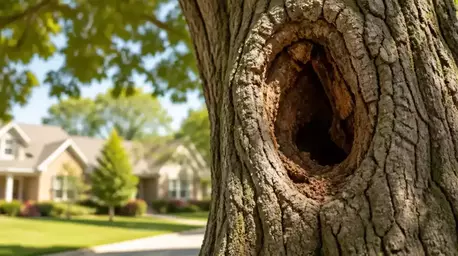
Next, you’ll want to check the stability of your trees. Leaning trees or those with cracked trunks can be especially dangerous. Look for signs of instability, such as:
It’s crucial to take these signs seriously. If you notice any of these issues, consider contacting a professional arborist for a thorough assessment. At Safe Canopy Care, we specialize in identifying tree hazards and can help you determine the best course of action, including information on using a tree service directory to find qualified professionals.
Once you’ve ensured that the immediate area is safe, it's time to evaluate the damage to your trees. Understanding the health of your trees post-storm can be tricky, but it’s essential for effective recovery. Let’s look at some vital signs to watch for.
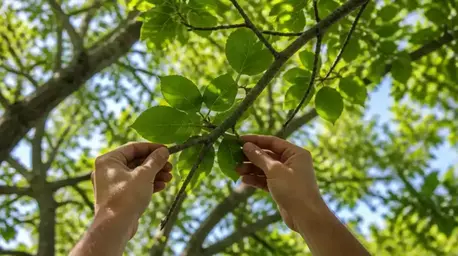
Your trees may show various signs that indicate their health status. Look for things like leaf loss or discoloration to gauge their well-being. Healthy trees often exhibit:
If you notice any distress signals, such as yellowing leaves or excessive limb loss, take action quickly! It may be a sign that your tree needs immediate help.
Tree structure is crucial for recovery, and assessing damage can help you identify whether a tree can be saved. Check for:
If you discover significant damage, it might be time to consult a professional. My team at Safe Canopy Care is here to provide guidance and ensure your trees have the best chance of recovery.
Conducting a thorough risk assessment after a storm is essential to determine the safety of your trees. This process involves identifying hazards and deciding on the best course of action. For more details on maintaining long-term safety, read our long-term tree risk management tips.
Hazard trees are those that pose a risk to people or property. Look for signs such as:
If any trees fit these criteria, mark them for immediate attention. Remember, proactive measures can prevent accidents in the future!
In the face of significant tree damage, engaging emergency tree services can be a lifesaver. At Safe Canopy Care, we offer timely response services to help with:
Taking these first steps ensures your property and loved ones are safe while paving the way for effective recovery after the storm. So don’t hesitate—reach out, and let’s keep your trees thriving together!
As you assess your trees post-storm, consider using a moisture meter to check the soil around their roots. This tool can help you determine if your trees are receiving adequate water, especially during recovery. Maintaining proper hydration is crucial for their health, as stress from storm damage can make them more vulnerable to drought.
Your immediate priority should always be safety. Conduct hazard checks for downed power lines and unstable trees before assessing any other damage to your property.
Look for visible cracks in the trunk or major limbs, trees leaning at an unusual angle, or exposed root systems. These are critical signs of instability that may require professional assessment.
Healthy trees typically have green and vibrant leaves, strong upright branches, and minimal bark damage. Signs of distress include yellowing leaves, excessive limb loss, crown loss, or significant trunk damage.
You should call an arborist if a tree is leaning significantly, at risk of falling, has visible damage to the trunk or major branches, shows signs of decay, or if you're unsure about proper pruning or bracing techniques. Professionals can conduct thorough risk assessments and provide emergency services.
Documenting damage with photos and notes is crucial for insurance claims and future reference. It provides evidence for repairs or replacements and helps professionals understand your tree's history for better future care.
Yes, many local government programs and community initiatives offer assistance, such as tree assessments, workshops on storm preparedness, grants, and volunteer opportunities for replanting efforts.
As we reflect on the journey of tree recovery after a storm, it’s essential to remember the key steps that can help restore your trees to their former glory. At Safe Canopy Care, we understand the challenges that homeowners face when dealing with storm-damaged trees. Prioritizing safety and assessment is crucial, as these initial actions lay the groundwork for a successful recovery.
After ensuring immediate safety, long-term care becomes vital. Monitoring your trees for signs of health and vitality not only aids their recovery but also gives you peace of mind in knowing you’re doing all you can to protect your property. Remember, it’s not just about the here and now; it’s about nurturing healthy trees for the future, a core principle found in our guide on post-storm tree safety checklist.
Each step plays a role in ensuring that your trees can rebound effectively. By engaging in these actions, you’re taking an active stance in the recovery process. Just like a caring guardian, you can help your trees flourish even after facing the wrath of a storm!
Immediate safety and assessment can prevent further damage and ensure your family’s safety. Checking for hazards, like downed power lines, helps avoid accidents. Assessing tree stability right after the storm allows you to identify any immediate risks associated with leaning trees or unstable limbs.
When you make these assessments promptly, you can take necessary actions to mitigate risks and potentially save your trees. It’s always better to be proactive rather than reactive when it comes to tree care!
Once the immediate dangers are addressed, long-term care becomes essential. Regularly monitoring your trees for signs of improvement or distress will guide your next steps. You want to look out for factors such as leaf growth, bark condition, and overall tree posture.
Healthy trees will show signs of vitality, while those still struggling may need further intervention. Make it a habit to check in on your trees regularly—you'll be amazed at how quickly they can bounce back with the right care!
Sometimes, despite our best efforts, we need to call in the experts. Knowing when to engage a professional arborist can make all the difference in your tree recovery journey. At Safe Canopy Care, we believe that expert assistance can provide invaluable insights and services tailored to your tree's unique needs.
Don't hesitate to reach out if you're unsure about the condition of your trees after a storm. Remember, it's always better to ask for help than to risk further damage!
By keeping these points in mind, you can feel empowered to reach out for professional help whenever it’s necessary. Remember, expert guidance can be a crucial part of ensuring your trees' survival and recovery!
If your trees have sustained significant damage, documenting it can be crucial for insurance claims. Take photos of any visible damage, and note the date of the storm and any assessments you’ve performed. This documented evidence can be invaluable in case you need to pursue claims for repairs or replacements.
Keeping a record not only helps with insurance but also aids in understanding your tree's history. This can be helpful information to share with professionals if you seek assistance in the future!
Engaging with community resources can enhance your tree recovery efforts. Local government programs often provide assistance in tree recovery and storm response. Reaching out to these resources can help you navigate the recovery process more effectively.
In addition, participating in community tree programs or volunteer initiatives fosters a sense of belonging while contributing to the environment. It’s all about coming together for a common cause—making our communities safer and greener! For more insights into community involvement, explore our article on tree safety community awareness steps.
These resources not only provide support but also connect you with others who share your passion for tree care. After all, trees are an integral part of our communities, and together we can make a lasting impact!
Consider joining local volunteer efforts for tree planting and environmental education. These initiatives provide hands-on experience while promoting community engagement. You might even meet fellow tree enthusiasts who can share their knowledge and experience!
Participating in these activities not only enhances our local environment but inspires future generations to appreciate and care for our trees. Together, we can create a legacy of sustainability and care!
Here is a quick recap of the important points discussed in the article:
Evelyn Hartman is a dedicated tree safety expert with over a decade of experience in the arboriculture industry. With a passion for protecting homes and properties, Evelyn specializes in proactive tree safety measures, storm preparedness, and emergency response. She is committed to educating homeowners about the importance of tree care and risk prevention, ensuring that families can enjoy their outdoor spaces with peace of mind.