Post-Storm Tree Safety Checklist
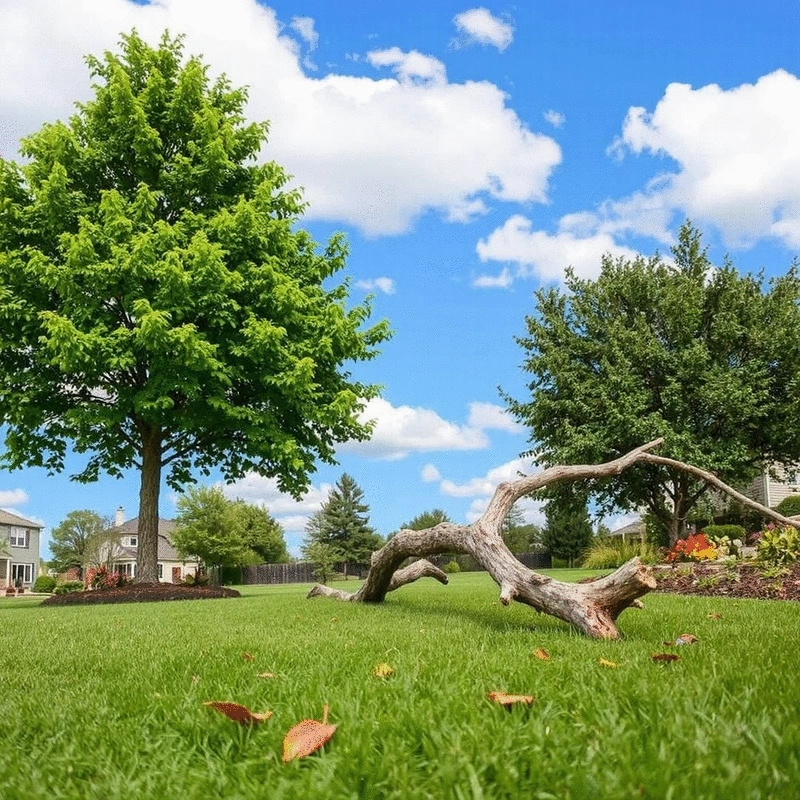
Did you know that proper precautions after a storm can significantly reduce risks to your safety and property? Understanding these critical measures can be the difference between a minor inconvenience and a serious hazard. Let’s explore the essential steps you need to take in the aftermath of a storm to ensure your safety and that of your loved ones.
What You Will Learn
- How to identify tree hazards, such as leaning trees and power line dangers, immediately after a storm.
- The importance of avoiding areas with hanging branches, known as “widow makers,” until they can be safely removed.
- Essential chainsaw safety tips for homeowners when clearing debris, including the importance of wearing protective gear.
- How to establish safety protocols, such as using personal protective equipment (PPE) and creating safe perimeters around damaged trees.
- Steps for finding qualified arborists in your area to assist with post-storm tree assessments.
- How to engage with local resources and government support for tree safety measures and community initiatives.
- A quick safety checklist to follow for post-storm tree assessment to ensure you cover all necessary steps.
- Ways to promote responsible practices and community awareness regarding tree safety and storm preparedness.
Immediate Safety Checklist After a Storm
This checklist highlights crucial safety measures you should take following a storm to protect yourself and your property. For more detailed information on homeowners storm prep, check out our comprehensive guide.
Inspect for Damage
- Look for visible tree damage.
- Check for leaning trees near power lines.
- Document any damage for insurance purposes.
Safety Protocols
- Wear protective gear when inspecting.
- Establish a safe perimeter around damaged areas.
- Keep family and pets at a safe distance.
Power Line Hazards
- Stay at least 10 feet away from downed lines.
- Report issues to local authorities.
- Never attempt to move a fallen line yourself.
Tree Hazard Awareness
- Identify hanging branches that may fall.
- Mark hazardous areas clearly.
- Consult experts for tree stability assessments.
Critical Safety Measures After a Storm: Protecting Yourself and Your Property
After a storm passes, your safety and the security of your property are top priorities. The aftermath can leave hidden dangers within your yard, particularly in the trees that surround your home. It’s essential to know how to identify these hazards and take immediate action. At Safe Canopy Care, we believe that being proactive is key to ensuring your family's safety during these challenging times.
Understanding Immediate Risks: Identify Tree Hazards
Identifying tree hazards right after a storm is crucial. This can include anything from trees leaning precariously to power lines entangled in branches. By knowing what to look for, you can mitigate risks and protect your property effectively. For more insights on hazardous tree warning signs, visit our blog. Let’s dive into some of the most common dangers you might encounter.
Recognizing Power Line Dangers
Power lines are one of the most dangerous hazards to watch for after a storm. If you see any trees or branches touching or leaning against power lines, stay far away and contact your utility company immediately. It’s always better to be safe than sorry when dealing with potential electrical hazards!
- Stay at least 10 feet away from downed lines.
- Report any issues to local authorities or your utility provider.
- Never attempt to move a fallen line yourself.
Identifying Hanging Branches and “Widow Makers”
Hanging branches, often called “widow makers,” can pose a significant threat. These are branches that are broken but still attached to the tree, just waiting for the right moment to fall. If you notice any of these in your yard, it’s essential to avoid the area until they can be safely removed.
- Look for branches that are cracked or at odd angles.
- Assess the stability of the tree itself; it may be best to consult with an expert.
- Mark the area to keep your family and pets at a safe distance.
Chainsaw Safety for Homeowners
If you decide to use a chainsaw to clear debris, safety should be your top priority. Chainsaws can be dangerous tools, especially when the ground is uneven or slippery after a storm. Here are some essential safety tips:
- Wear protective gear, including gloves, goggles, and sturdy boots.
- Ensure your chainsaw is in good working condition before use.
- Know how to operate the chainsaw properly to avoid accidents.
Safety Protocols: Ensuring a Secure Environment
After assessing immediate risks, it’s essential to establish safety protocols to create a secure environment. This includes using the right personal protective equipment (PPE) and creating safe perimeters around damaged trees.
Personal Protective Equipment (PPE) Essentials
Investing in proper PPE is a small step that can make a big difference in your safety. Here’s a list of items you should consider wearing:
- Hard hats to protect your head from falling debris.
- Safety goggles to shield your eyes.
- Ear protection to guard against chainsaw noise.
- Heavy-duty gloves for hand protection.
Establishing a Safe Perimeter Around Damaged Trees
Creating a safe perimeter around damaged trees can prevent injuries while you assess the situation. Use cones or ropes to mark off areas where there’s potential danger. This is especially important if you have children or pets who might wander into hazardous zones.
- Identify the area around the tree that needs to be cordoned off.
- Communicate with family members about the risks.
- Wait for a professional before attempting to enter the area near compromised trees.
After a storm, taking immediate safety measures is critical for protecting yourself and your property. By staying vigilant and knowing what to look for, you can ensure a safer environment for you and your loved ones. Remember, at Safe Canopy Care, we’re here to help you navigate tree hazards and develop proactive safety plans to keep your home secure!
Pro Tip
When assessing tree hazards after a storm, always carry a charged cell phone with you. If you encounter a dangerous situation, such as downed power lines or unstable trees, you can quickly call for help. Additionally, consider documenting any hazards with photos to assist professionals in understanding the situation when they arrive.
Engaging with Local Resources: Connecting with Professionals
When it comes to tree safety after a storm, knowing how to find the right help is crucial. Engaging with local resources can make a world of difference in ensuring your property is secure and that any hazards are addressed swiftly. At Safe Canopy Care, we understand the value of connecting with professionals who can help you navigate your tree care challenges. For information on using a tree service directory, check out our guide.
Start by searching for qualified arborists in your area. Trusted professionals can assess tree health and provide recommendations tailored to your specific situation. Here’s how you can find the right tree care expert:
- Utilize local directories and online reviews to shortlist potential candidates.
- Ask friends, family, or neighbors for personal recommendations—they might know someone reliable.
- Check certifications and memberships in professional organizations to ensure their credibility.
Finding Qualified Arborists in Your Area
Once you have a list of potential arborists, it’s essential to ask the right questions before making your decision. This will ensure you are hiring someone who aligns with your needs and concerns. Here are some questions to consider:
- What experience do you have with post-storm tree assessments?
- Can you provide references from past clients?
- What are your rates, and do you offer free estimates?
- How do you ensure safety during tree removal or pruning?
These questions can help you gauge their expertise and make an informed decision. Remember, it’s always better to invest in quality service than to cut corners when it comes to tree safety.
Community Resources and Local Government Support
In addition to hiring arborists, don’t overlook the resources available through community and local government agencies. Connecting with these organizations can provide further assistance and information on tree safety measures. Here’s how you can engage with them:
- Contact your state forestry agency for resources on tree health and recovery.
- Look for local environmental agencies that may offer workshops or educational materials on tree safety.
- Participate in community clean-up initiatives to help restore local landscapes and connect with fellow homeowners.
By reaching out to local resources, you can access a wealth of knowledge and support to ensure your property is safe and thriving. For more detailed insights on long-term tree risk management tips, explore our articles.
Summarizing Key Takeaways and Next Steps for Tree Safety
As we wrap up our discussion on post-storm tree safety, it's essential to have a comprehensive plan in place. This way, you can take immediate actions to protect yourself and your property while also ensuring the long-term health of your trees. At Safe Canopy Care, we believe in empowering homeowners with the knowledge they need. For more guidance on assessing tree stability post-storm, check out our resources.
Your Safety Checklist for Post-Storm Tree Assessment
Here’s a quick reference guide to follow for immediate actions you should take after a storm:
- Inspect your property for visible tree damage.
- Look for signs of falling branches or leaning trees near power lines.
- Document any damage to support insurance claims.
- Contact a qualified arborist for professional assessments and recommendations.
Following this checklist ensures that you cover all necessary steps for maintaining safety in your yard.
Encouraging Responsible Practices and Community Awareness
Finally, it's essential to encourage responsible practices within your community. Sharing your experiences with friends, family, and neighbors can help raise awareness about tree safety and preparedness. Here’s how you can contribute:
- Host a small gathering to discuss tree care and safety tips.
- Share resources and checklists, like the Tree Safety Essentials Checklist, with others.
- Participate in or organize community workshops on storm preparedness and tree care.
By working together, we can build a culture of safety and preparedness that benefits everyone. Remember, at Safe Canopy Care, we’re here to support you in creating safer outdoor spaces for your family and community!
Recap of Key Points
Here is a quick recap of the important points discussed in the article:
- Identify immediate tree hazards after a storm, including power lines and hanging branches.
- Maintain a safe distance from downed power lines and report them to local authorities.
- Use protective gear when operating chainsaws and ensure the tool is in good working condition.
- Establish a safe perimeter around damaged trees to prevent injuries.
- Engage with qualified arborists for professional assessments and advice on tree safety.
- Utilize community resources and participate in local initiatives to promote tree safety and recovery.
- Encourage responsible practices and share knowledge within your community to enhance overall safety.
Frequently Asked Questions (FAQs)
- Q: What are the immediate steps to take after a storm to ensure tree safety?
- A: Immediately after a storm, inspect your property for visible tree damage, check for leaning trees near power lines, and document any damage for insurance. Prioritize staying safe by keeping a distance from potential hazards and reporting issues to authorities.
- Q: What are “widow makers” and why are they dangerous?
- A: “Widow makers” are broken branches that are still attached to a tree but are unstable and can fall unexpectedly. They are dangerous because they can cause severe injury or death, making it crucial to avoid areas with such branches until they are safely removed by professionals.
- Q: What protective equipment should I wear if I need to clear storm debris with a chainsaw?
- A: When using a chainsaw, always wear protective gear including a hard hat, safety goggles, ear protection, heavy-duty gloves, and sturdy boots. Ensure your chainsaw is in good working condition and you know how to operate it properly.
- Q: How can I find a qualified arborist after a storm?
- A: You can find qualified arborists by utilizing local directories, checking online reviews, asking for recommendations from friends or neighbors, and verifying their certifications and memberships in professional organizations. Always ask for references and free estimates.
- Q: Why is it important to establish a safe perimeter around damaged trees?
- A: Establishing a safe perimeter around damaged trees helps prevent injuries by keeping people and pets away from unstable areas. Use cones or ropes to mark off these zones and communicate the risks to family members, waiting for professionals to assess and clear the area.

Evelyn Hartman
Evelyn Hartman is a dedicated tree safety expert with over a decade of experience in the arboriculture industry. With a passion for protecting homes and properties, Evelyn specializes in proactive tree safety measures, storm preparedness, and emergency response. She is committed to educating homeowners about the importance of tree care and risk prevention, ensuring that families can enjoy their outdoor spaces with peace of mind.
Popular Posts
Tree Risk Management for Outbuildings
![Tree Risk Management for Outbuildings]() ##
Have you ever considered how the trees around your property could impact the safety of your outbu
##
Have you ever considered how the trees around your property could impact the safety of your outbu
 ##
Have you ever considered how the trees around your property could impact the safety of your outbu
##
Have you ever considered how the trees around your property could impact the safety of your outbu
Tree Cavities and Structural Safety
![Tree Cavities and Structural Safety]() Have you ever wondered how the health of a tree can directly impact your property’s safety? Unders
Have you ever wondered how the health of a tree can directly impact your property’s safety? Unders
 Have you ever wondered how the health of a tree can directly impact your property’s safety? Unders
Inspecting Tree Canopies for Safety
![Inspecting Tree Canopies for Safety]() As severe weather approaches, the safety of your property hangs in the balance. By understanding the
As severe weather approaches, the safety of your property hangs in the balance. By understanding the
 As severe weather approaches, the safety of your property hangs in the balance. By understanding the
Tree Safety Tips for Driveways
![Tree Safety Tips for Driveways]() Ensuring the safety of your home extends beyond its walls, particularly when it comes to the trees s
Ensuring the safety of your home extends beyond its walls, particularly when it comes to the trees s
 Ensuring the safety of your home extends beyond its walls, particularly when it comes to the trees s
