Proactive Inspections
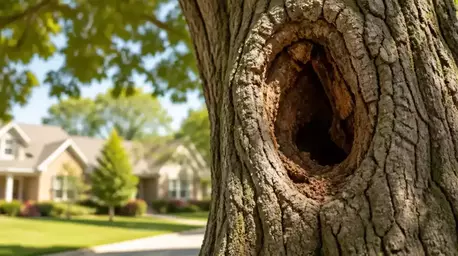
Regular tree inspections allow for early detection of hazards such as dead branches and structural weaknesses, significantly reducing the risk of damage during storms.
As severe weather approaches, the safety of your property hangs in the balance. By understanding the importance of tree canopy inspections, you can take proactive steps to protect your home and family. Discover how regular evaluations can make a significant difference in safeguarding against storm damage.
Understanding the importance of tree canopy inspections can significantly enhance homeowner safety and prevent storm damage. Below are crucial takeaways regarding the necessity and benefits of these inspections. You can learn more about long-term tree risk management tips to ensure your property remains safe.
Regular tree inspections allow for early detection of hazards such as dead branches and structural weaknesses, significantly reducing the risk of damage during storms.
Taking proactive measures ensures that potential issues are identified before they escalate, thus minimizing costly repairs and damages.
Healthy trees contribute to neighborhood safety by preventing fallen trees and blocking hazards during storms, which affects entire communities.
Conducting regular inspections provides homeowners with the assurance that they have taken necessary precautions to protect their homes and families.
As storms approach, one question often lingers in the minds of homeowners: *Is my property safe from potential tree hazards?* A thorough understanding of the importance of tree canopy inspections can be the key to safeguarding your home and family. At Safe Canopy Care, we emphasize that proactive measures can significantly reduce the risks associated with storm damage.
Tree canopies are the first line of defense against severe weather. By inspecting your trees before a storm, you not only protect your property but also ensure the safety of your loved ones. An inspection provides insight into any potential hazards lurking overhead, allowing you to take action before the winds start to howl.
Tree canopy inspections play a crucial role in identifying risks that could lead to emergency situations. Regular evaluations help homeowners recognize signs of decay, disease, or structural instability. For more detailed information on identifying common hazards, consider our guide on hazardous tree warning signs. Here’s what to look for during your inspections:
By being aware of these potential hazards, you can take proactive measures to eliminate risks. Remember, the goal is not just to react to problems but to prevent them altogether. As an expert with years of experience, I’ve seen how effective these inspections can be in ensuring safety for families.
Conducting pre-storm tree inspections is a vital step in minimizing risks. A tree with a compromised structure can become a dangerous projectile in high winds, leading to property damage and even personal injury. Homeowners should prioritize these inspections before every storm season. Here are some key reasons why:
At Safe Canopy Care, we believe that educated homeowners are empowered homeowners. By understanding the importance of tree safety, you’re taking a significant step toward protecting your family’s well-being.
Proactive tree care can be a game-changer when it comes to preventing storm damage. Regular inspections allow you to catch issues early, such as weak branches or root problems, before they escalate. Homeowners should consider implementing the following proactive measures:
Taking these steps can significantly reduce the chances of tree-related accidents during storms. Investing in tree safety is investing in your home’s future!
While taking care of your own trees is important, considering community safety is equally vital. Fallen trees can block roads and disrupt power lines, affecting entire neighborhoods. By ensuring your trees are healthy, you’re also contributing to the safety of your community.
Effective emergency management includes collaboration among homeowners, local authorities, and tree care professionals. Here are some community-focused strategies:
When we work together in our communities, we can create a safer environment for everyone. Remember, at Safe Canopy Care, we're here to help you navigate these important decisions with confidence!
As we move forward, it’s important to know how to conduct effective tree canopy inspections. Armed with the right knowledge, you can ensure your trees remain safe and healthy throughout the stormy seasons ahead.
Here's a brief recap of the key points discussed so far:
As the seasons change, so do the needs of our trees. At Safe Canopy Care, we believe that a proactive approach to tree maintenance is vital, especially as we move toward hurricane season. Regular inspections and proper care can make all the difference in protecting your home and family from the unexpected challenges that severe weather can bring.
Timing your tree inspections is crucial. Ideally, these checks should happen during the calm before the storm—just before hurricane season kicks in. By identifying potential hazards early, you can ensure your trees are healthy and ready to withstand severe winds and storms.
When preparing for hurricane season, consider these seasonal tips to keep your trees in optimal condition. A little attention now can prevent costly damage later. Here are some best practices:
It’s also essential to think about canopy thinning, which can significantly reduce wind load. A well-pruned tree can handle storm winds much better than one with a dense canopy. This proactive step not only protects your home but also promotes healthier tree growth! For more insights, check out our article on preparing trees for storm season.
Preparing for storms involves understanding the unique vulnerabilities of your trees. Here are some seasonal considerations to keep in mind:
By being mindful of these factors, you can better ensure your trees are ready for whatever nature throws their way. Remember, as a homeowner, you play a crucial role in the safety of your property and your family!
Canopy thinning is a crucial practice that can significantly improve a tree's ability to withstand strong winds. At Safe Canopy Care, we often see the positive effects of this technique. Reducing the density of the canopy not only decreases wind resistance but also allows more light to reach the tree's interior, promoting healthier growth.
By thinning your tree's canopy, you can effectively lower the risk of wind damage and help your tree remain strong and healthy. This proactive measure is an essential part of storm preparation!
Keeping an eye on the weather can help you stay ahead of potential issues. Regularly checking forecasts allows you to plan your tree care needs. Here’s how weather forecasting can inform your maintenance strategy:
As a tree safety expert, I urge homeowners to take weather forecasts seriously! By staying informed, you can make timely decisions that protect your property.
In addition to inspections and proactive care, having the right resources can empower you to maintain your trees effectively. Here are some excellent supplementary resources for homeowners:
Creating a visual checklist can simplify your tree inspection process and ensure you cover all bases. This tool can help you assess your trees confidently. Consider these elements when creating your checklist:
Having this checklist handy means you won’t miss vital signs that could help save your trees and home!
Using printable checklists can help streamline your inspections. You can categorize them based on tree type, ensuring you know what to look for:
By tailoring your checklist, you can target specific vulnerabilities in your trees, making inspections more effective.
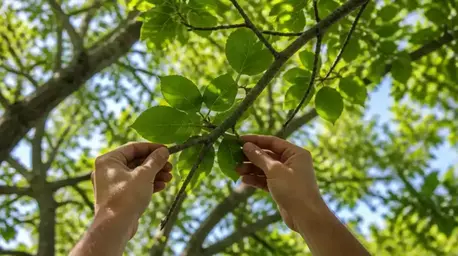
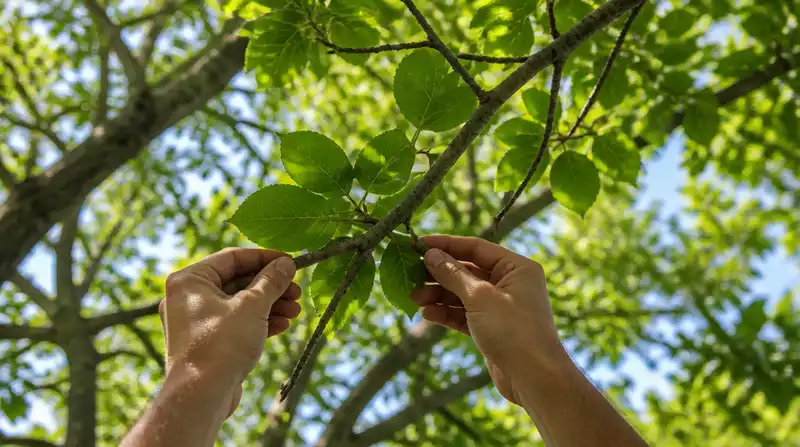
Using simple tools can enhance your ability to inspect your trees from the ground safely. Here are two tools that can make a big difference:
These tools can help you conduct thorough inspections without the need for professional assistance, but don’t hesitate to reach out to Safe Canopy Care if you have concerns!
Connecting with community resources can bolster your tree care efforts. Here are some options to explore:
Staying engaged with local resources helps you stay informed and prepared, ensuring your trees receive the care they need. You can also explore using a tree service directory to find qualified professionals in your area.
In summary, regular inspections and proactive tree care are essential for keeping your home and family safe during severe weather. Remember to take time each season to assess your trees thoroughly. By doing so, you’ll feel more confident facing the unpredictable elements!
Here are the key points to remember about tree canopy inspections:
Each step you take toward proactive tree care not only benefits your trees but also contributes to the safety of your entire neighborhood!
I encourage you to make tree assessments a routine part of your home maintenance. Regular checks can help you catch potential problems early and ensure your yard remains a safe and enjoyable space. For further guidance on maintaining your property, consider our tips for homeowners' storm prep checklist.
Have you had experiences with tree inspections? I invite you to share your stories or any questions you might have! Your insights can help others in our community.
Lastly, let's not forget the role of local government in tree health initiatives. By participating in community programs, we can advocate for better tree care across our neighborhoods. Together, we can create a culture of safety, ensuring that our homes are well-protected against the elements!
Here is a quick recap of the important points discussed in the article:
Evelyn Hartman is a dedicated tree safety expert with over a decade of experience in the arboriculture industry. With a passion for protecting homes and properties, Evelyn specializes in proactive tree safety measures, storm preparedness, and emergency response. She is committed to educating homeowners about the importance of tree care and risk prevention, ensuring that families can enjoy their outdoor spaces with peace of mind.