Early Detection of Risks
Regular inspections help in identifying diseases, structural weaknesses, and potential hazards before they escalate.
What if the very trees that beautify your yard could also pose a hidden danger? Proactive tree care isn’t just about aesthetics; it’s crucial for maintaining safety in your outdoor spaces. By understanding how to care for your trees, you can prevent accidents and ensure a healthy, vibrant landscape.
Proactive tree care enhances safety by preventing potential hazards. Below are the key benefits represented visually.
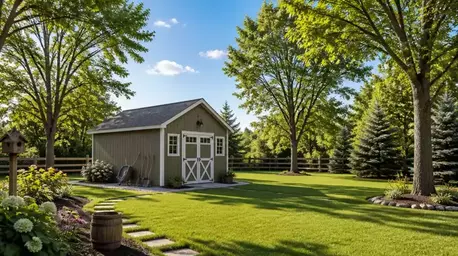
Regular inspections help in identifying diseases, structural weaknesses, and potential hazards before they escalate.
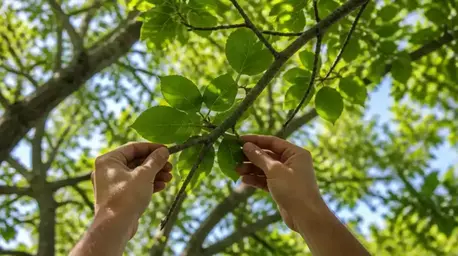
Proactive maintenance reduces the risk of falling branches and tree failures, ensuring a safe environment for families.
Regular care promotes tree vitality, ensuring they remain healthy and contribute positively to the landscape.
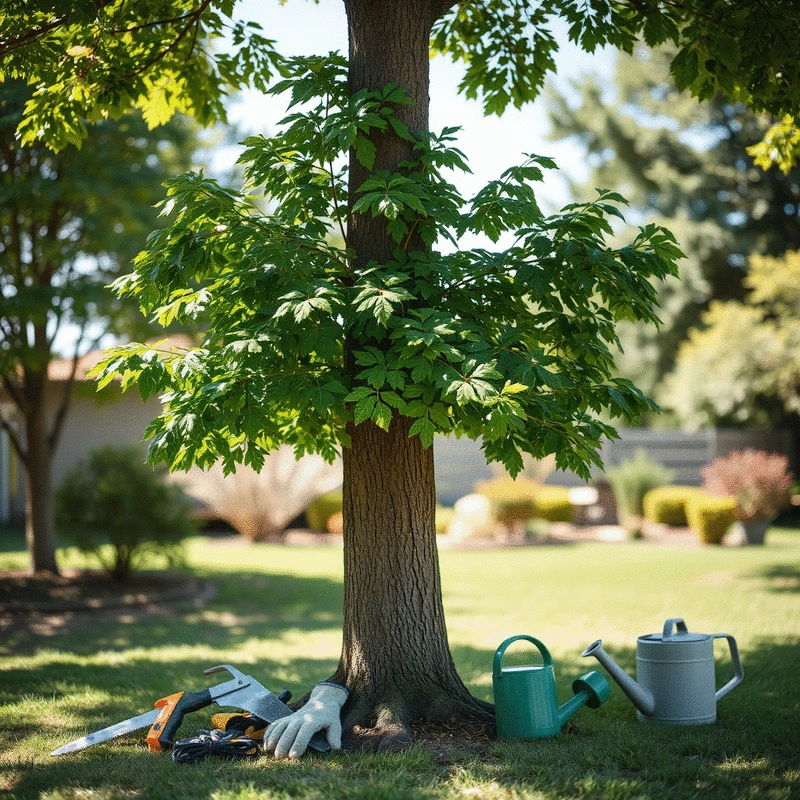
By addressing issues early, homeowners can prevent costly damage from hazardous trees and reduce emergency response expenses.
When we talk about proactive tree care, we mean taking steps to manage and maintain the health and safety of our trees before problems arise. This approach is essential for ensuring that trees remain an asset to your property rather than a liability. By focusing on regular assessments and maintenance, we can spot potential issues early, which helps keep our homes and loved ones safe. For a more comprehensive approach to managing potential hazards, consider exploring long-term tree risk management tips.
Why is this kind of care significant? Well, it’s all about understanding the unique needs of each tree in your yard. For example, trees can be affected by diseases, pests, and environmental stressors. Proactive tree care helps in recognizing these threats and addressing them promptly, safeguarding the well-being of both the trees and the surrounding areas.
Proactive tree care involves regular inspections, timely interventions, and scheduled maintenance to ensure trees are healthy and safe. This means looking out for signs of decay, invasive pests, or structural weaknesses that could lead to falling branches or even tree failure. Think of it as a routine check-up for your trees—just like how we need regular health check-ups!
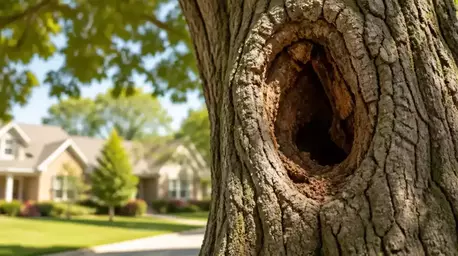
Being proactive means we can reduce the risk of accidents caused by hazardous trees. For instance, a cracked trunk or a tree leaning dangerously can go unnoticed until it’s too late. Regular inspections can help identify such risks, allowing for preventive measures to be taken, such as pruning or even removal if necessary. For more details on identifying dangers, you might find our guide on hazardous tree warning signs helpful.
Ignoring tree maintenance can lead to serious consequences. When trees are neglected, branches can weaken and fall, which poses a serious threat to people and property below. Storms can exacerbate these risks, causing healthy trees to fail unexpectedly due to unseen decay or structural issues.
Additionally, areas with a high concentration of trees can be particularly dangerous when stormy weather occurs. Falling branches can damage roofs, cars, and even harm individuals. This is why proactive tree maintenance is not just about aesthetics; it’s a critical aspect of home safety. We want to create spaces where families can enjoy the outdoors without fear.
Engaging in proactive tree maintenance comes with numerous benefits, particularly when it comes to enhancing safety. One of the greatest advantages is the prevention of hazards. By regularly inspecting and caring for our trees, we can identify potential risks before they become an issue.
For example, a simple tree inspection might reveal a tree with root issues that need addressing. Taking care of it now not only minimizes the risk of accidents but also promotes overall tree health, allowing it to thrive for years to come.
The role of tree inspections cannot be overstated. They are essential in preventing accidents and ensuring that trees are not posing any risks to your property or those around you. Regular maintenance helps in keeping trees healthy and structurally sound, significantly reducing the chances of a tree-related incident.
Imagine a scenario where a family is enjoying a sunny day in their backyard. If a tree is well-maintained, it can provide shade and beauty without the underlying threat of falling branches. By prioritizing proactive care, we foster a safer environment for everyone!
Throughout my years in the arboriculture industry, I’ve seen firsthand how proactive measures can avert tragic accidents. I recall a client whose large oak tree had signs of decay. After conducting an inspection, we discovered that a significant branch was at risk of falling. We promptly removed the branch, preventing what could have been a hazardous incident during the next storm. For more real-world examples and advice, check out our guide on using a tree service directory to find qualified professionals.
By prioritizing tree care, we can look back on successful outcomes like this one and appreciate the peace of mind that comes with knowing we've taken steps to protect our homes and families.
Proactive tree maintenance is vital for ensuring that trees remain healthy and vibrant. Early detection of diseases and pests can make all the difference in prolonging the life of a tree. By spotting these issues early, we have a better chance of treating them effectively before they become overwhelming.
Think of your trees as a part of your family; they need care and attention just like any loved one. Regular assessments can help keep your trees thriving, beautifying your landscape, and providing lasting benefits for years.
To maintain tree health effectively, it's essential to understand common tree diseases and how to control pests. Some prevalent tree ailments include root rot, cankers, and leaf spot diseases. Identifying these conditions early through routine checks can help in applying appropriate treatments.
Effective pest control measures, such as introducing beneficial insects or using organic pesticides, can also play a significant role in preserving tree health. It’s all about protecting your green guardians and ensuring they remain a safe part of your home!
Did you know? Keeping a tree care journal can significantly enhance your proactive maintenance efforts. By documenting observations from your inspections, including any changes in growth, health, or signs of pests, you create a valuable resource for tracking the condition of your trees over time. This practice not only helps in early detection of issues but also informs your decisions about when to seek professional help.
As a homeowner, taking action towards proactive tree care can feel overwhelming, but it doesn’t have to be! I’m here to guide you through some simple yet effective steps you can take to ensure your trees are safe and healthy. Let's start by making tree care a fun and engaging part of your home maintenance routine!
Establishing a routine for inspecting your trees is a great way to catch potential issues early. Here’s a simple checklist to help you assess your trees before calling in professionals:
By following this checklist, you can get a good glimpse of your trees' health! Doing this regularly can save you time and money down the line.
There are times when it’s best to call in the experts at Safe Canopy Care. Here are some signs that indicate you may need professional intervention:
Don’t hesitate to reach out for help! It’s better to be safe than sorry, especially when it comes to tree safety. Learning to identify dangerous trees can help you decide when professional intervention is necessary.
Here are some frequently asked questions about proactive tree care and safety.
Proactive tree care involves taking preventative measures, such as regular inspections and maintenance, to ensure the health and safety of trees before problems arise. This includes identifying and addressing diseases, pests, and structural weaknesses early.
Proactive tree care significantly reduces the risk of accidents, injuries, and property damage caused by falling branches or tree failures. Regular maintenance helps keep trees structurally sound and healthy, especially during severe weather conditions.
The key benefits include early detection of risks, increased property safety, enhanced long-term tree health, and cost prevention by addressing issues before they become major problems. It also contributes to the aesthetic appeal and value of your property.
Homeowners can create a DIY checklist to regularly inspect trees for visible damage, cracks, dead branches, signs of decay, insect infestations on the trunk, branch health, root zone issues, and overall tree shape. This helps in early identification of potential problems.
You should seek professional help if you notice severe damage from storms or pests, large dead branches, unusual growth patterns or leaning, a sudden increase in insect activity or disease, or significant root problems. Professionals can assess and address complex issues safely and effectively.
Many homeowners wonder how proactive tree maintenance affects their insurance policies. Having healthy trees can often lead to lower premiums, while neglected trees may result in higher risks and potential claims. Staying proactive not only protects your home but can also enhance your insurance standing!
Well-maintained trees can significantly boost your home's curb appeal and market value. Here's how:
Investing in tree care is not just about safety; it’s about creating a welcoming environment for you and your family.
Urban forestry plays a vital role in enhancing public safety and environmental quality. Trees in urban areas help reduce heat, manage stormwater, and provide habitats for wildlife. They also contribute to a decrease in crime rates and promote community well-being. Embracing urban forestry initiatives can create a safer and more beautiful environment for all residents!
In summary, proactive tree care is essential for maintaining safety and enhancing the beauty of our homes. I encourage you to embrace these actionable steps and incorporate tree care into your regular home maintenance routine!
If you’re ever in doubt, don’t hesitate to contact a certified arborist. At Safe Canopy Care, we're dedicated to helping you protect your property through expert tree care. Reach out to find a trusted professional who can assess your trees and provide tailored care plans. Together, we can ensure that your outdoor spaces remain safe and enjoyable for years to come! To learn more about how to be prepared for unexpected tree-related events, read our essential tree emergency tips.
Here is a quick recap of the important points discussed in the article:
Evelyn Hartman is a dedicated tree safety expert with over a decade of experience in the arboriculture industry. With a passion for protecting homes and properties, Evelyn specializes in proactive tree safety measures, storm preparedness, and emergency response. She is committed to educating homeowners about the importance of tree care and risk prevention, ensuring that families can enjoy their outdoor spaces with peace of mind.