Protect Your Home from Trees
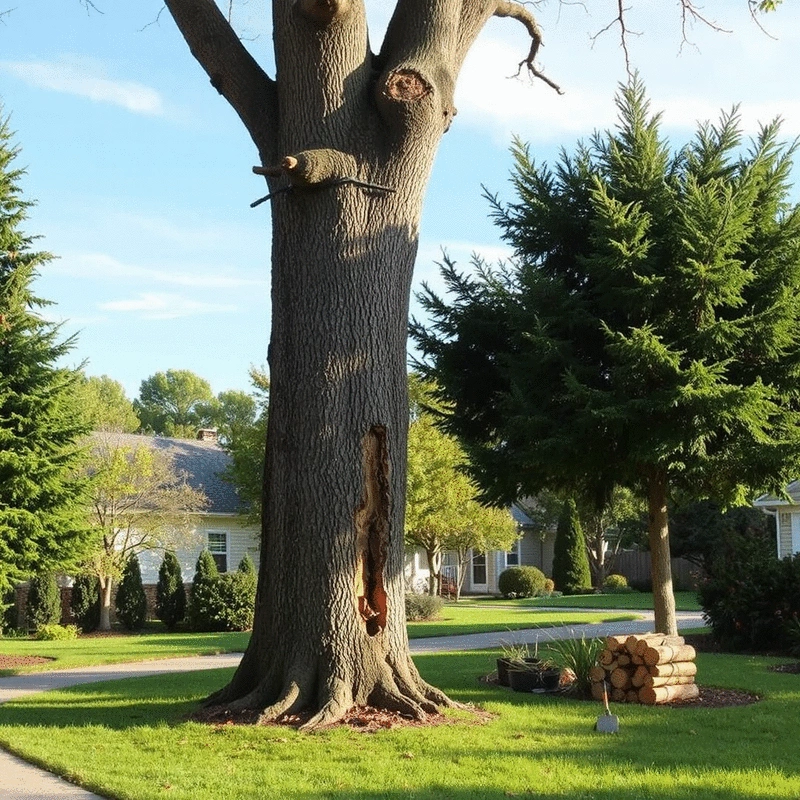
In today's world, did you know that a single tree can cause thousands of dollars in property damage if not properly maintained? Understanding the risks associated with trees is crucial for any homeowner. In this guide, we’ll explore proactive measures to safeguard your property from falling trees while ensuring the health of your landscape.
What You Will Learn
- How to identify hazardous tree conditions, including weak branches and leaning trees.
- The impact of wind and storms on tree stability and how to prepare for severe weather.
- Steps for conducting a comprehensive risk assessment to prevent property damage.
- The critical role of tree health and soil quality in maintaining stability and safety.
- The importance of engaging with local community resources for effective tree care practices.
- Best practices for documenting damage and navigating the insurance claims process after a storm.
Key Factors Influencing Property Damage from Trees
Understanding the potential influences on your property from trees can help in proactive management and safety measures. For a comprehensive approach to tree safety, consider developing long-term tree risk management tips.
Tree Health Monitoring
Healthy trees are less likely to fall or cause damage. Regular checks for:
- Yellowing leaves
- Shortened growth in recent seasons
- Excessive shedding of branches
Soil Quality Assessment
Soil health directly impacts tree stability. Key considerations include:
- Soil drainage and water retention
- Nutrient levels and pH balance
- Presence of pests or chemicals harming roots
Root System Analysis
A strong root system is crucial for tree stability. Consider:
- Soil erosion effects
- Compacted soil issues
- Nearby constructions disturbing roots
Wind Resistance Factors
Assess how wind impacts tree stability:
- Soil moisture levels
- Tree species resilience
- Proximity to structures
Understanding the Importance of Preventing Property Damage from Falling Trees
When it comes to maintaining the safety of your home, understanding the potential risks associated with trees is crucial. Falling trees can cause severe property damage, leading to costly repairs and potential safety hazards for your family. At Safe Canopy Care, we believe that proactive tree safety measures can make all the difference in preventing these disasters. By assessing the risks and understanding how to mitigate them, you can create a safer environment for your loved ones.
Let's dive into how you can assess the risks posed by trees on your property. By recognizing hazardous tree conditions, understanding wind damage, and conducting thorough risk assessments, you can stay ahead of potential issues. It's essential to take a comprehensive look at not only the trees themselves but also the surrounding environment.
Assessing the Risks of Falling Trees to Your Property
Identifying weak branches and leaning trees is the first step in assessing risks. A tree that appears healthy might have hidden issues beneath the surface. For more detailed insights into identifying potential hazards, consult our guide on hazardous tree warning signs. Here are some signs to look out for:
- Cracks in the trunk or branches
- Decayed wood, which can indicate rot
- Branches that are unusually long or heavy
- Trees leaning excessively, especially after storms
Understanding the impact of wind and storms on tree stability is also essential. Strong winds can uproot even the sturdiest trees, especially if their roots are compromised. By keeping an eye on the weather and the condition of your trees, you can better prepare for potential storms.
Identifying Hazardous Tree Conditions: Weak Branches and Leaning Trees
When assessing hazardous tree conditions, it's vital to regularly check for weak branches and leaning trees. Look for symptoms of structural failure such as:
- Branches that are dead or dying
- Visible signs of insects or disease
- Unusual growth patterns that suggest instability
Keeping a close eye on these factors will help you address potential problems before they escalate into serious hazards.
Understanding Wind Damage and Storm Impacts on Tree Stability
Wind can be a tree's worst enemy! It can expose vulnerabilities that might not be evident during calm weather. To minimize storm impacts, consider these key factors:
- Soil moisture levels can affect root stability
- Tree species and their natural resilience to wind
- Proximity to structures and other trees
At Safe Canopy Care, we advocate for regular checks and maintenance to enhance tree resilience against storms. This way, you can ensure your trees stay strong and your property remains safe.
Conducting a Risk Assessment for Tree-Related Property Damage
Conducting a risk assessment involves examining both the trees and their surroundings. This process is essential for identifying potential hazards that could cause property damage. Here are some simple steps to follow:
- Evaluate the overall health of your trees
- Check for signs of disease or decay
- Assess the condition of the soil and root systems
- Consider the location of trees in relation to your home and other structures
By taking the time to conduct a thorough risk assessment, you can take proactive steps to mitigate potential damage before it occurs. Remember, the earlier you identify risks, the better prepared you’ll be!
Key Factors Influencing Property Damage from Trees
Several key factors influence how trees can impact your property. Understanding these aspects will empower you to take effective action. The health of your trees plays a crucial role in their stability and safety.
Monitoring signs of decline not only helps you assess current health but also aids in future planning. Remember, a well-maintained tree is less likely to pose a risk!
The Role of Tree Health: Monitoring Signs of Decline
Healthy trees are less likely to fall or cause damage. Regularly check for indicators of decline like:
- Yellowing leaves
- Shortened growth in recent seasons
- Excessive shedding of branches
When you spot these signs early, you can take steps to improve tree health, which may include pruning or even consulting a professional.
Impact of Root Systems on Tree Stability and Property Safety
The root system is like the tree's foundation; it's essential for stability! A strong root system keeps trees anchored, but compromised roots can lead to failures. Here are a few root-related factors to consider:
- Soil erosion that undermines root stability
- Compacted or poor-quality soil
- Nearby constructions that disturb root systems
By assessing these factors, you can enhance the stability of your trees and reduce the risk of property damage.
The Importance of Soil Quality in Supporting Tree Health
Healthy trees require healthy soil! Soil quality significantly impacts tree growth and stability. To ensure your trees thrive, keep an eye on:
- Soil drainage and water retention
- Nutrient levels and pH balance
- Presence of pests or chemicals that could harm roots
At Safe Canopy Care, we emphasize that investing in soil health can lead to stronger, safer trees, ultimately protecting your property.
Quick Summary
Here's a brief recap of the key points discussed so far:
- Identifying hazardous tree conditions is crucial for preventing property damage.
- Regular risk assessments can help you detect potential issues before they escalate.
- Understanding local tree species and soil types is essential for effective tree care.
Engaging with Your Community: The Benefits of Local Knowledge
Engaging with your community is essential when it comes to tree care and property safety. Understanding local conditions and resources can make a significant difference in how you manage your trees. At Safe Canopy Care, I believe that knowledge is power, especially when it comes to protecting your home from potential tree hazards.
Every region has its unique tree species, soil types, and environmental challenges. By tapping into local knowledge, you can learn effective practices tailored to your area. This community engagement not only enhances your understanding but also fosters a network of support among homeowners concerned about tree safety.
Region-Specific Tree Care Tips and Environmental Considerations
Different areas have different tree species, each with unique needs. Familiarizing yourself with local trees can help you understand their growth patterns and maintenance requirements. Here are some tips to consider:
- Research Local Species: Understand which trees thrive in your area and what special care they need.
- Monitor Seasonal Changes: Be aware of how seasonal weather patterns can affect tree health.
- Engage with Neighbors: Share knowledge and experiences about tree care and local environmental issues.
Additionally, consider the soil type on your property. Different soil types can influence tree health and stability. For instance, sandy soils may drain quickly, while clay soils can retain more moisture. Tailoring your tree care practices to these factors can help ensure your trees remain healthy and robust. For additional details on assessing tree health and safety, check out our dedicated article.
Understanding Local Tree Species and Their Unique Needs
Each tree species has distinct characteristics that affect its growth and maintenance. By identifying the tree types in your yard, you can better understand their care needs. For example, oak trees may require regular pruning to maintain their structure, while maples may have specific watering needs during dry spells.
It's also important to recognize how local pests and diseases affect these species. Becoming familiar with common threats in your area can enable you to take preventative measures early on. Don't hesitate to reach out to local experts or organizations for guidance!
Soil Type Implications on Tree Health and Stability
The type of soil in your yard can significantly impact your trees' overall health. Soil composition affects nutrient availability and drainage. Conducting a soil test can provide valuable insights that inform your tree care practices. Depending on your soil type, you may want to:
- **Amend the Soil:** Add organic matter to improve drainage or nutrient levels.
- **Water Accordingly:** Adjust your watering routine based on soil retention capabilities.
- **Choose the Right Trees:** Select species that thrive in your specific soil conditions.
These practices help ensure that your trees are stable and healthy, reducing the risk of property damage in severe weather.
Community Resources for Tree Maintenance and Vegetation Management
Utilizing local resources can greatly enhance your tree care efforts. Many communities offer workshops, seminars, and even volunteer programs focused on tree care and environmental stewardship. Consider the following options:
- Local Arborist Groups: Connect with professionals who can provide expert advice.
- Community Gardens: Participate in local gardening initiatives that often include tree care education.
- Environmental Organizations: Join forces with groups dedicated to preserving local ecosystems.
By engaging with these resources, you can stay informed and proactive in your tree maintenance efforts. Remember, at Safe Canopy Care, I’m here to help guide you through these processes and ensure the safety of your property. For further assistance, consider using a tree service directory to find qualified professionals in your area.
Frequently Asked Questions About Tree Safety and Property Damage
As a tree safety expert, I often receive questions from homeowners about maintaining their trees and preventing property damage. I’m happy to address some of the most common concerns!
FAQs: Tree Safety and Property Damage Prevention
- What are the most common signs of a hazardous tree?
- Common signs include large dead branches, cracks in the trunk, leaning, decay or fungi growth, and visible root damage. Yellowing leaves or stunted growth can also indicate underlying health issues.
- How often should I have my trees professionally inspected?
- It is recommended to have your trees inspected annually by a certified arborist, especially if you live in an area prone to severe weather or have mature trees near structures.
- What role does soil quality play in tree stability?
- Good soil quality ensures proper nutrient uptake, drainage, and root development, all of which are crucial for a tree’s stability. Poor soil can lead to weak root systems, making trees more susceptible to falling.
- What should I do immediately after a storm causes tree damage to my property?
- First, ensure safety and avoid downed power lines. Document all damage with photos, then contact your insurance company and a professional tree service for assessment and removal.
- Does homeowner's insurance cover damage caused by falling trees?
- Most standard homeowner's insurance policies cover damage from falling trees if the cause is a covered peril (like wind or lightning). However, coverage can vary, so it’s best to review your policy or consult with your insurer.
Addressing Common Concerns About Tree Maintenance
It's natural to have questions about your trees and how to keep them safe. Here are some FAQs that can help guide your tree care decisions:
How Can I Determine if My Trees Are Healthy?
Healthy trees exhibit vibrant leaves, strong branches, and a sturdy trunk. Here are some indicators to look for:
- Leaf Color: Look for lush, green foliage without signs of discoloration.
- Branch Integrity: Check for broken or dead branches.
- Trunk Condition: Inspect for cracks, hollowness, or insect infestations.
If you notice any concerning signs, don't hesitate to reach out for a professional evaluation. Regular inspections can help keep your trees thriving!
What Steps Can I Take to Prevent Trees from Falling on My House?
Preventing trees from becoming a hazard involves proactive measures. Here’s what you can do:
- Regular Inspections: Schedule annual assessments to spot potential issues.
- Tree Pruning: Remove dead or overhanging branches to reduce risk.
- Root Health Checks: Ensure roots are strong and not compromised by nearby developments.
Taking these steps can significantly reduce the chances of a tree falling on your home during a storm or high winds.
Understanding the Post-Storm Insurance Claims Process
After a storm, dealing with damage can be overwhelming. Understanding the insurance claims process can help ease some of that stress.
Steps to Take After Storm Damage from Trees
If your property has sustained damage from fallen trees, here are some essential steps to follow:
- Safety First: Ensure the area is safe, and avoid any downed power lines.
- Document Damage: Take photos of the damage for your insurance claim.
- Contact Your Insurer: Notify your insurance company as soon as possible.
Taking these steps can help expedite the claims process and ensure you receive the support you need.
Documenting Damage for Insurance Claims: Tips and Best Practices
Proper documentation is crucial for a smooth insurance claim process. Here are some tips to keep in mind:
- Take Clear Photos: Capture images from multiple angles to show the extent of the damage.
- Keep Receipts: Save any invoices or receipts for repairs.
- Create a Written Report: Detail the events leading to the damage and the damage itself.
Being thorough in your documentation can help ensure your claim is processed smoothly and quickly. For more details on preparing your property, read up on storm preparedness for tree owners.
Call to Action: Take Charge of Your Property's Safety
Now is the time to take action and ensure your property is safe from tree-related hazards! By implementing a maintenance plan and staying informed, you can enjoy your outdoor spaces with peace of mind.
Implementing a Maintenance Plan and Seeking Professional Help
Developing a solid maintenance plan is essential for tree care. Here are some steps to get started:
- Schedule Annual Inspections: Make this a regular part of your home maintenance routine.
- Research Local Arborists: Find trusted professionals to assist with your tree care needs.
- Stay Informed: Keep up with local ordinances and safety codes related to tree management.
At Safe Canopy Care, I’m dedicated to helping you protect your property. Let's work together to create a safer environment for your family and community! You can also find more essential tree emergency tips to ensure your property remains secure.
Recap of Key Points
Here is a quick recap of the important points discussed in the article:
- Regularly assess the condition of your trees by looking for signs of decay, cracks, and leaning.
- Understand the impact of wind and storms on tree stability, and monitor soil moisture levels.
- Conduct thorough risk assessments to identify potential hazards around your property.
- Maintain tree health by monitoring signs of decline, such as yellowing leaves and stunted growth.
- Engage with your community to share knowledge and learn about local tree care practices.
- Utilize local resources, such as arborist groups and community workshops, for expert guidance.
- Document any damage for insurance purposes, taking clear photos and keeping detailed records.
- Implement a maintenance plan for your trees, including annual inspections and professional help as needed.

Evelyn Hartman
Evelyn Hartman is a dedicated tree safety expert with over a decade of experience in the arboriculture industry. With a passion for protecting homes and properties, Evelyn specializes in proactive tree safety measures, storm preparedness, and emergency response. She is committed to educating homeowners about the importance of tree care and risk prevention, ensuring that families can enjoy their outdoor spaces with peace of mind.
Popular Posts
Tree Risk Management for Outbuildings
![Tree Risk Management for Outbuildings]() ##
Have you ever considered how the trees around your property could impact the safety of your outbu
##
Have you ever considered how the trees around your property could impact the safety of your outbu
 ##
Have you ever considered how the trees around your property could impact the safety of your outbu
##
Have you ever considered how the trees around your property could impact the safety of your outbu
Tree Cavities and Structural Safety
![Tree Cavities and Structural Safety]() Have you ever wondered how the health of a tree can directly impact your property’s safety? Unders
Have you ever wondered how the health of a tree can directly impact your property’s safety? Unders
 Have you ever wondered how the health of a tree can directly impact your property’s safety? Unders
Inspecting Tree Canopies for Safety
![Inspecting Tree Canopies for Safety]() As severe weather approaches, the safety of your property hangs in the balance. By understanding the
As severe weather approaches, the safety of your property hangs in the balance. By understanding the
 As severe weather approaches, the safety of your property hangs in the balance. By understanding the
Tree Safety Tips for Driveways
![Tree Safety Tips for Driveways]() Ensuring the safety of your home extends beyond its walls, particularly when it comes to the trees s
Ensuring the safety of your home extends beyond its walls, particularly when it comes to the trees s
 Ensuring the safety of your home extends beyond its walls, particularly when it comes to the trees s
