Leaning Trunks
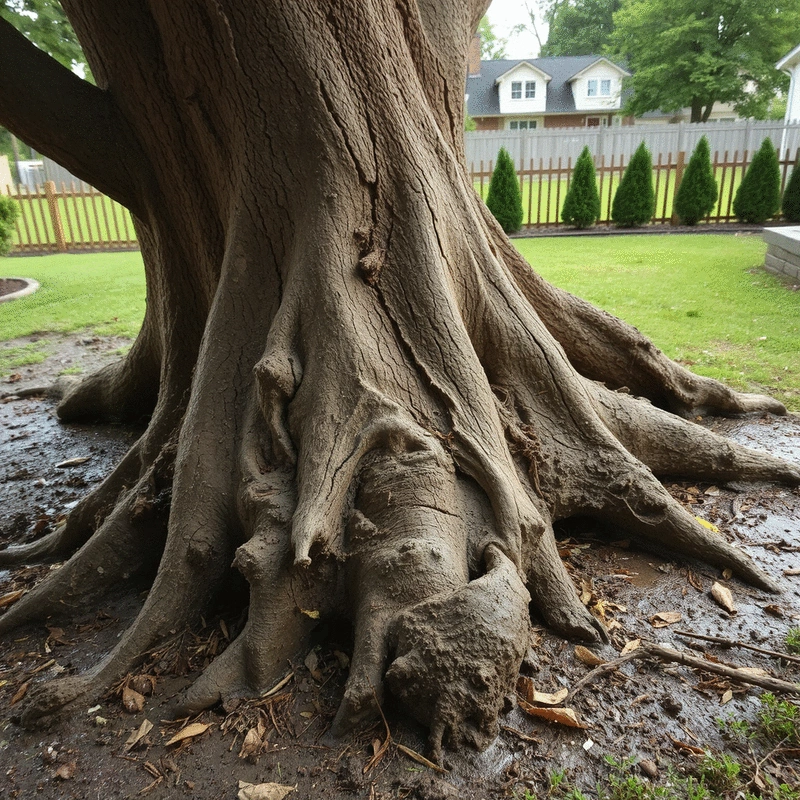
Trees may lean at awkward angles, indicating root damage.
What if your seemingly intact tree holds hidden dangers? After a storm, many homeowners overlook the potential hazards that may lurk in their yards. By understanding the importance of assessing tree stability post-storm, you can proactively protect your home and loved ones. Here’s what you will learn:
Understanding the various risks posed by storm-damaged trees helps in proactive management. Below is a visual representation of common concerns:
Trees may lean at awkward angles, indicating root damage.
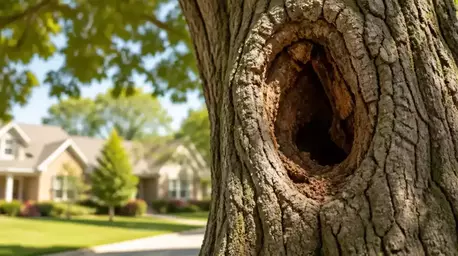
Visible cracks can suggest structural weakness.
Broken limbs can fall unexpectedly, posing a threat to people and property.
Damage may create openings for pests or diseases.
After a storm passes, it’s easy to feel relieved, but that’s not the end of the story when it comes to the trees on your property. Assessing tree stability is vital for ensuring the safety of your home and family. Have you ever thought about what dangers might linger in your yard after the winds die down? By taking the time to evaluate your trees, you can address potential hazards before they become serious issues! This proactive approach is key to long-term tree risk management.
It's important to remember that storms can cause hidden damage to trees, which may not be immediately apparent. Evaluating the condition of your trees after severe weather can help prevent accidents and property damage. For instance, a tree that seems intact may actually have compromised roots or structural issues that could lead to it falling in the next storm.
As someone deeply invested in tree safety, I can tell you that waiting too long to assess your trees might lead to unfortunate situations. It's all about being proactive rather than reactive when it comes to tree care!
Storm-damaged trees can pose various risks depending on the extent of their injuries. Some common concerns include:
By identifying these risks early, you can take action to mitigate them. This is where my passion for tree safety comes into play, as I want to empower homeowners to safeguard their spaces effectively!
It’s not just the immediate impacts that matter; understanding the long-term health of your trees is crucial. Storm damage can lead to ongoing issues, such as:
By regularly evaluating your trees, you can catch these issues early and ensure their ongoing health. As the founder of Safe Canopy Care, I believe that staying informed and proactive leads to healthier trees and safer properties!
Did you know? Regularly scheduled assessments, ideally every 6 to 12 months, can help you catch potential hazards before they escalate. Additionally, documenting your observations can create a valuable history of your trees' health, enabling you to identify patterns and make informed decisions about care and maintenance.
After a storm, it's crucial to keep an eye on our trees. Regular observation can help spot issues before they become serious. As a tree safety expert, I often tell my clients that just because a tree looks fine immediately after a storm doesn't mean it’s out of the woods—no pun intended! Monitoring tree health over time enables you to address potential hazards effectively. For more details on what to look for, check out our guide on hazardous tree warning signs.
To ensure your trees recover properly, consider these ongoing observation strategies:
Applying these practices helps you stay proactive in maintaining tree safety. Remember, the goal is not just to save your trees but to enhance their health and stability for years to come!
So, what can you do if a tree has been damaged? Here are some effective recovery strategies that I recommend:
These strategies can significantly aid a tree's recovery process. By actively caring for your trees, you’re investing in their long-term health, and in turn, the safety of your property.
Looking ahead, how can we prevent future storm damage? Here are some proactive strategies to consider:
By taking these preventative measures, you significantly reduce the risk of damage during storms. At Safe Canopy Care, we strive to empower homeowners like you to make informed decisions about tree management. This includes understanding when to seek professional safety checks for your trees.
When assessing tree health, visual aids can be incredibly helpful. They provide a structured way to evaluate trees and ensure nothing is overlooked. I often use checklists and diagrams during my assessments, and I encourage you to do the same!
Using visual checklists can simplify the assessment process. Here are some key elements to include:
Visual aids help you stay organized and focused during your assessments. Feel free to adapt these checklists to suit your needs!
Having the right tools makes all the difference in tree inspections. Here’s what I recommend keeping on hand:
Equipped with these tools, you’ll be prepared to conduct thorough assessments and take action as needed!
In addition to physical tools, there are various apps and software available that can aid in tree assessment. These tools enable you to document findings, create reports, and track changes over time. Consider incorporating them into your tree care routine—they can enhance both your efficiency and accuracy!
As a tree safety expert, I understand that many homeowners have questions about how to assess tree stability after storms. Let’s tackle a few common inquiries!
Many people wonder if they can safely assess their trees without professional help. While it’s great to be proactive, I always recommend proceeding with caution. Here are some FAQs:
Being informed is a key step in ensuring tree safety. Don’t hesitate to reach out if you have more questions!
Another common question I hear is about insurance coverage for storm-damaged trees. It’s essential to understand your policy details. Here are some tips:
Having a clear understanding of your insurance can alleviate stress after a storm. You’ll be prepared to take action when needed!
When it comes to filing claims, ensure you have all necessary documentation ready. This includes photographs of the damage and any relevant tree assessments. Working closely with your insurance company will speed up the claims process and help you secure any compensation for damage.
As we wrap up this discussion on tree stability after storms, I encourage you to take the next steps in evaluating your tree's health. Regular inspections and ongoing monitoring are vital for keeping your property safe!
Consider setting up a schedule for regular tree evaluations. Whether you’re doing it yourself or seeking professional help, staying informed about your trees' condition is a proactive approach. You’ll be glad you did!
If you feel unsure about your tree's stability, don’t hesitate to reach out to a local arborist. At Safe Canopy Care, we offer expert evaluations that ensure your trees remain safe and healthy.
Let's build a safer community! Participate in local workshops to learn more about tree maintenance and storm preparedness. Together, we can create a culture of awareness that benefits everyone. Remember, a little knowledge goes a long way in keeping our outdoor spaces safe!
Here is a quick recap of the important points discussed in the article:
Evelyn Hartman is a dedicated tree safety expert with over a decade of experience in the arboriculture industry. With a passion for protecting homes and properties, Evelyn specializes in proactive tree safety measures, storm preparedness, and emergency response. She is committed to educating homeowners about the importance of tree care and risk prevention, ensuring that families can enjoy their outdoor spaces with peace of mind.