40% Reduction in Tree-Related Accidents
Properties with regular inspections experience up to a 40% reduction in tree-related accidents, highlighting the importance of proactive tree care.
What if I told you that regular tree inspections can reduce tree-related accidents by up to 40%? This statistic underscores the critical need for proactive tree care. Regular inspections not only enhance the beauty of your property but are also essential for ensuring the safety of your home and loved ones.
Regular tree inspections play a crucial role in preventing accidents and ensuring safety. Below is a visual representation of key statistics related to tree inspections and their impact.
Properties with regular inspections experience up to a 40% reduction in tree-related accidents, highlighting the importance of proactive tree care.
Annual inspections are ideal for younger, healthy trees, while bi-annual inspections are recommended for older or vulnerable trees to prevent potential hazards.
The average cost of a tree inspection is relatively minor compared to the significant expenses incurred from storm damage or property loss.
Regular inspections allow for the early detection of potential hazards, such as tree decay or structural weaknesses, ensuring timely interventions.
When we talk about maintaining our outdoor spaces, one crucial aspect often overlooked is the health of our trees. Regular tree inspections are vital not only for ensuring the beauty of our landscapes but also for maintaining the safety of our homes and loved ones. As a tree safety expert, I, Evelyn Hartman, know firsthand how proactive measures can prevent accidents and costly damages. For a deeper dive into managing risks, consider these long-term tree risk management tips.
Imagine a storm rolling in, and you suddenly realize that a nearby tree hasn’t been checked in years. It’s a situation none of us want to find ourselves in! This is why understanding what constitutes a thorough tree inspection is the first step in safeguarding your property.
Tree inspections vary greatly depending on the environment—urban versus rural. In urban areas, trees often coexist with structures, making their health pivotal for safety. Conversely, rural settings may focus more on the ecological role of trees and their impact on agriculture.
In both cases, a tree inspection examines not just the trees themselves, but their surrounding environment as well. For instance, in urban areas, we must consider factors like utility lines and sidewalks that could be affected by tree growth. Meanwhile, in rural areas, we look for signs of diseases that could impact the local ecosystem.
A comprehensive tree inspection covers several key elements:
By focusing on these aspects, we can identify potential hazards early, leading to timely interventions that can save both lives and properties. This proactive approach is key to safety through proactive tree care.
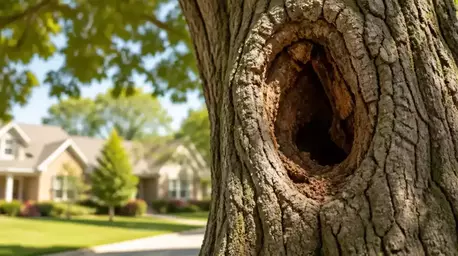
One of the primary goals of regular tree inspections is to identify structural weaknesses and decay. Trees may appear healthy on the outside, but internal rot can lead to sudden failures. This can put your property and family at risk.
During inspections, we look for signs such as cracks in the trunk, dead branches, or fungal growth at the base. These are red flags that shouldn’t be ignored!
Falling branches can cause severe damage during storms or high winds. Therefore, assessing the risk of tree failure is a critical component of safety. Regular inspections help determine the likelihood of branches breaking or the entire tree falling.
By understanding these risks, you can take appropriate actions, such as pruning or removing hazardous trees before disaster strikes.
Effective hazard identification utilizes specific techniques during inspections. For instance, I often employ the following methods:
These techniques provide a clear picture of the tree’s health, helping to ensure safety and longevity. For more information on what to look for, check out these hazardous tree warning signs.
Early detection is key when it comes to tree health issues. Symptoms of disease or pest infestations can often be subtle, making regular inspections essential. For instance, yellowing leaves or sudden branch dieback may indicate underlying problems.
By catching these signs early, you can implement treatments before the situation worsens. Remember, a small issue can become a big problem if left unattended!
Regular inspections play a significant role in extending the lifespan of trees. By monitoring their health and addressing issues promptly, we can help maintain their vitality for years to come. This not only enhances your property’s beauty but also contributes positively to the environment.
Taking these proactive measures promotes longevity, ensuring your trees remain a cherished part of your landscape.
Did you know that tree health is closely linked to soil health? Regular inspections allow us to assess soil conditions that directly affect tree growth. Healthy soil fosters strong root systems, leading to well-balanced trees that can withstand environmental stressors.
During inspections, we evaluate soil moisture, compaction, and nutrient levels. It’s a holistic approach that guarantees the best care for your trees!
For additional resources and to find local services, a tree service directory can be very helpful.
Homeowners must also consider the legal aspects of tree care. Many communities have specific regulations and bylaws regarding tree maintenance, particularly for trees near public spaces or roads. Regular inspections help ensure compliance with these laws, reducing the risk of fines and liabilities.
Understanding these regulations can seem daunting, but that’s where expert guidance comes in handy. At Safe Canopy Care, we’re dedicated to helping you navigate these complexities!
Neglecting to conduct regular inspections can lead to significant liabilities. If a tree falls and causes damage, you could be held responsible. This is a risk you don’t want to take!
By prioritizing tree safety inspections, you not only protect your property but also safeguard against potential legal issues. It’s a win-win situation for everyone involved.
As a tree owner, you have specific responsibilities to uphold safety regulations. These include maintaining the health of your trees and ensuring they do not pose hazards to your property or neighbors. Regular inspections are a key element in fulfilling these obligations.
This proactive approach helps create safer communities while fostering a sense of responsibility among homeowners. Together, we can enhance the well-being of our neighborhoods!
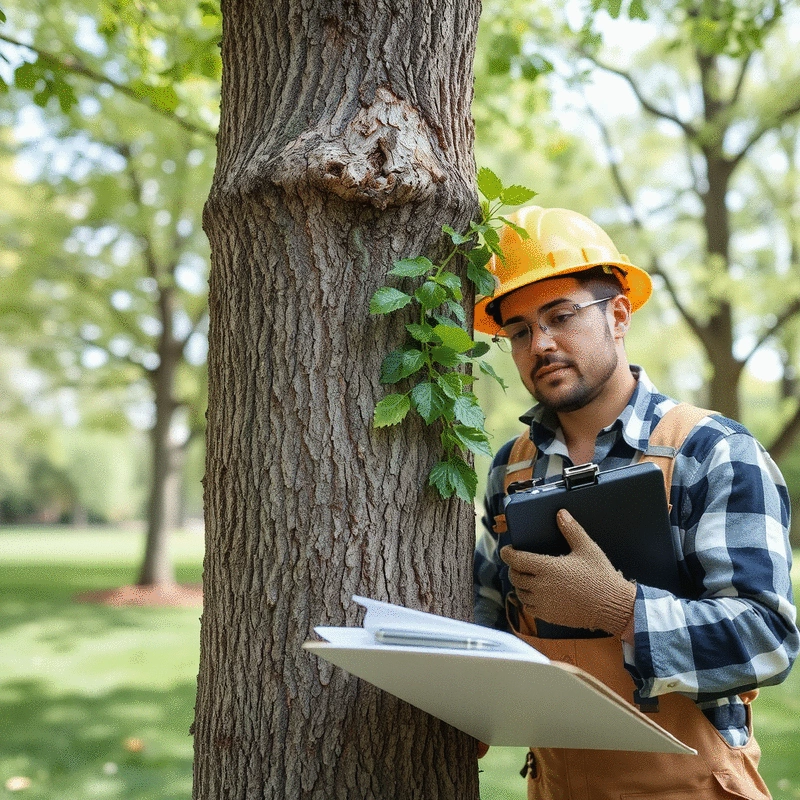
Engaging a certified arborist for inspections brings immense value. Their expertise allows for detailed assessments that may be difficult for untrained eyes to discern. A certified arborist can provide you with a comprehensive report, highlighting any areas of concern.
These reports serve not only as a record but also as a tool to guide future tree care decisions. You can trust that you’re getting the best insight into your tree’s health!
How often should you schedule tree inspections? While annual inspections are often sufficient, bi-annual evaluations may be necessary for older or more vulnerable trees. By establishing a routine, you can stay ahead of potential issues!
Regular check-ups ensure that you maintain not only the beauty of your landscape but also the safety of your home.
When selecting a certified arborist, there are a few key factors to consider:
These criteria will help you find someone trustworthy who can provide the expertise necessary for effective tree care.
While DIY inspections can be helpful, hiring professionals often yields better results. Professionals have the tools, experience, and knowledge to identify issues that a layperson might overlook. Plus, they can offer tailored advice specific to your tree species and local environment.
When it comes to safety, it’s always best to err on the side of caution!
If you want to get started on your own inspections, here are some basic tips:
These simple steps can help you stay alert to potential problems!
To make your inspections more effective, consider creating a personalized checklist. Here’s a basic template to get you started:
By using a checklist, you’ll have a clearer picture of your trees’ health and what actions to take next.
When evaluating whether to invest in regular inspections, consider the costs against potential damages. The average cost of an inspection is relatively small compared to the expenses incurred from storm damage or property loss.
For many homeowners, the peace of mind that comes with knowing your trees are safe is priceless!
Investing in regular inspections can lead to significant long-term savings. Here are a few ways:
Ultimately, regular inspections pay for themselves in more ways than one!
As technology evolves, so do our methods for inspecting trees. Drones, for instance, can provide aerial views of tree canopies, helping to identify issues that may not be visible from the ground. This innovative approach allows for more thorough assessments with greater accuracy.
With tools like these, we can enhance our inspection processes, making them more efficient and effective.
Looking ahead, the future of tree health monitoring is bright! Here are some trends to keep an eye on:
These innovations will empower homeowners and arborists alike to maintain healthier trees for everyone’s benefit!
To illustrate the importance of regular tree inspections, let’s look at some statistics. Studies show that properties with routine inspections experience up to a 40% reduction in tree-related accidents. This is a significant number that underscores the need for vigilance!
By prioritizing tree health, we can keep our communities safe and secure. Understanding identifying hazardous trees pre-storm can further enhance safety.
Many homeowners have shared success stories after engaging professional arborists. For example, one client discovered a severely decayed tree near their home, which, if left unchecked, could have caused extensive damage during a storm. Thanks to a timely inspection and removal, they avoided a disaster!
These real-life outcomes reinforce the value of regular tree inspections and professional expertise.
Did you know? Scheduling your tree inspections in the fall can be particularly advantageous. This timing allows you to assess any damage from summer storms and prepare your trees for the winter months ahead. Additionally, an autumn inspection can help identify any diseases or pests that may have developed over the growing season, ensuring your trees remain healthy and resilient.
As we look back on the importance of regular tree inspections, it’s clear that these checks are not just routine tasks; they are essential for maintaining the safety and health of both our trees and our properties. At Safe Canopy Care, I’ve seen firsthand how proactive inspections can prevent potential disasters and enhance the longevity of our leafy friends. When we invest time in tree care, we invest in the well-being of our entire environment!
To encapsulate the benefits of regular tree inspections, let’s consider several crucial points:
By understanding these benefits, homeowners can appreciate why regular inspections should be a priority. They safeguard not just our trees but our homes and communities too!
In reviewing the numerous benefits that arise from consistent tree inspections, several key health and safety aspects stand out. Regular inspections can:
It’s all interconnected; a healthy tree contributes to a healthier community, and that is something we at Safe Canopy Care are passionate about sharing.
It’s essential to remember that regular tree inspections are not just about personal property. They play an essential role in fulfilling legal responsibilities and contributing to community safety. Consider these aspects:
Understanding these obligations helps reinforce the idea that maintaining tree health is a shared responsibility, which is something I strive to advocate through Safe Canopy Care.
Now that you understand the significance of regular tree inspections, it’s time to take action! Scheduling an inspection is the first step towards ensuring the health and safety of your trees. Here’s how you can get started:
At Safe Canopy Care, I'm dedicated to helping homeowners navigate these steps, ensuring that your property remains safe and beautiful for years to come. So why wait? Schedule your inspection today, and let’s work together towards a safer tomorrow!
To find a certified arborist, consider these simple steps:
Always choose someone who puts safety and quality first—just like we do at Safe Canopy Care!
Creating your own inspection schedule can be a straightforward task. Start by:
With a little planning, you can manage your tree care effectively and ensure a safe environment for everyone.
Lastly, spreading awareness is crucial! Engage with your community by:
At Safe Canopy Care, I believe that together we can cultivate a culture of safety and preparedness in our communities!
Here is a quick recap of the important points discussed in the article:
Evelyn Hartman is a dedicated tree safety expert with over a decade of experience in the arboriculture industry. With a passion for protecting homes and properties, Evelyn specializes in proactive tree safety measures, storm preparedness, and emergency response. She is committed to educating homeowners about the importance of tree care and risk prevention, ensuring that families can enjoy their outdoor spaces with peace of mind.