Regular Tree Assessments
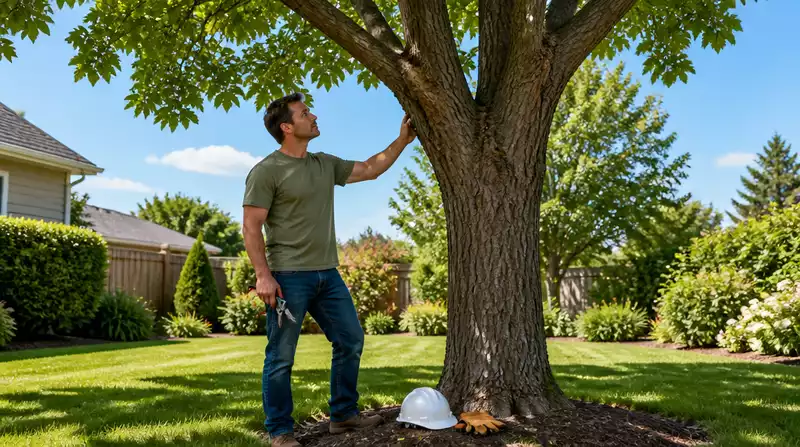
Check for health issues and structural weaknesses to prevent hazards.
As you enjoy the beauty and shade that trees provide, have you ever stopped to consider the responsibilities that come with homeownership? Understanding your legal obligations regarding tree safety could save you from potential liabilities and foster a safer environment for your community. Let's explore the key lessons that every homeowner should know!
Understanding your responsibilities as a homeowner in relation to tree safety is crucial for protecting your property and community. Below is a visual representation of essential responsibilities and actions to take.
Check for health issues and structural weaknesses to prevent hazards.
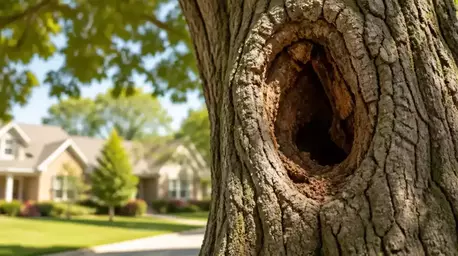
Act promptly to remove any dead or dangerous trees.
Keep trees pruned to prevent overgrowth and reduce risk of falling branches.
Discuss tree maintenance responsibilities with neighbors to avoid disputes.
As a homeowner, it's crucial to understand your responsibilities when it comes to tree safety. Not only do these responsibilities protect your property, but they also safeguard your loved ones and neighbors. At Safe Canopy Care, I'm passionate about helping homeowners navigate these legal landscapes, so let’s break it down!
The concept of duty of care is at the heart of homeowner liability. It means that you must take reasonable steps to ensure that your property, including your trees, does not pose a risk to others. This duty includes regular maintenance and prompt action when you notice signs of potential hazards, like broken branches or diseased trees. For more guidance on this, consider exploring long-term tree risk management tips.
To fulfill your duty of care, consider these key responsibilities:
By staying proactive, you not only protect your property but also demonstrate your commitment to safety!
When it comes to tree safety, understanding negligence law is vital. If a tree on your property causes damage—perhaps it falls during a storm—you could be held liable if you failed to act on known risks. Therefore, knowing what constitutes negligence is essential.
Here are a few standards to keep in mind:
By answering these questions, you can better understand your potential liabilities and take steps to avoid them! Information on identifying dangerous trees can further assist you.
Public safety is another critical aspect of tree liability. As a homeowner, if a tree on your property falls and injures someone or damages public property, you could face serious legal consequences. Understanding how liability waivers play into this can be beneficial.
Here’s what you should consider:
Keeping these points in mind can save you from unexpected surprises and ensure your community remains safe!
Dealing with neighbors can sometimes be tricky, especially when it comes to tree ownership and maintenance. Understanding the ins and outs of property lines and responsibilities can help you avoid disputes and maintain good relationships.
Determining who owns a tree can depend on where the trunk is located. If the trunk is entirely on your property, you usually own it. However, if it straddles the property line, joint ownership may apply. This can lead to shared responsibilities regarding maintenance and potential liabilities.
Consider these factors:
Clarifying these ownership rules can prevent misunderstandings and foster neighborly cooperation!
If your neighbor’s tree branches hang over your yard, you may wonder about your rights. Generally, you can trim branches that extend into your property, but you must do so without harming the tree. It's always a good idea to communicate with your neighbor about such actions.
Here's how to handle these situations:
Communication is key! It can ease tensions and keep things friendly.
Encroachment occurs when a tree or its roots cross property lines, potentially leading to nuisance claims. If your neighbor’s tree roots damage your foundation or plumbing, this can lead to costly repairs and disputes. Knowing how to address these issues can help you act quickly.
Here are steps to consider:
Being informed and proactive can help you manage these circumstances effectively!
At Safe Canopy Care, I believe that understanding your legal responsibilities as a homeowner not only protects your property but also fosters a safer community. By being aware of these aspects, you can take proactive measures to ensure tree safety for yourself and your neighbors!
Did you know? Keeping a detailed log of your tree maintenance activities can be invaluable in case of disputes or liability claims. Documenting inspections, pruning dates, and any issues observed not only helps you stay organized but also provides evidence that you are fulfilling your duty of care as a homeowner.
As a homeowner, taking proactive measures for tree safety is essential not only for the health of your trees but also for your peace of mind. Regular maintenance and inspections can prevent potential hazards that might lead to legal issues, costly repairs, or even safety concerns for your family and neighbors. So, let’s dive into some actionable steps you can take to ensure the trees on your property are safe and well-maintained!
First, consider scheduling regular inspections with a certified arborist. They can assess the health of your trees and identify any risks before they turn into bigger problems. You can also incorporate a seasonal check-up into your routine, making it easier to remember and implement! For additional assistance, using a tree service directory can help you find qualified professionals.
Regular maintenance is key to keeping your trees healthy and safe. Here are some steps you can take:
By staying on top of these tasks, you'll help prevent issues that could escalate into legal liabilities. Remember, as I always say at Safe Canopy Care, “A little care now can save a lot of trouble later!”
A great way to ensure you’re covering all bases is by creating an annual tree safety audit checklist. This checklist can serve as your guide throughout the year! Here’s what you might include:
You can even download a copy of our Tree Safety Essentials Checklist from our website to help you get started! Having a visual guide can make it so much easier to keep track of everything.
Adhering to proper safety standards can significantly reduce the risks involved with tree maintenance. Here are some best practices to follow:
By implementing these practices, you’re not just protecting your property; you’re also creating a safer environment for everyone around you. At Safe Canopy Care, we believe that informed homeowners are the best defenders against tree-related hazards. For more on this, check out our guide on safety through proactive tree care.
A: The "duty of care" means homeowners must take reasonable steps to ensure their trees do not pose a risk to others. This includes regular maintenance and prompt action on potential hazards like broken branches or diseased trees.
A: Yes, you could be held liable under negligence law if a tree on your property causes damage and you failed to act on known risks or hazards related to its condition.
A: If a tree trunk straddles a property line, it is generally considered to be under joint ownership, leading to shared responsibilities for maintenance and potential liabilities between neighbors.
A: Generally, you can trim branches that extend into your property, but you must do so without harming the tree. It is always best to communicate with your neighbor before taking any action to avoid disputes.
A: It is recommended to schedule annual inspections with a certified arborist to assess tree health, identify risks, and prevent potential hazards before they become serious problems.
In conclusion, staying informed and proactive about your tree safety responsibilities is crucial. Understanding your legal obligations as a homeowner not only mitigates risks but also fosters a safer community. Engaging with local experts, like those at Safe Canopy Care, can provide you with the knowledge and tools you need to maintain healthy trees.
Now, let’s not forget the importance of community! Encourage your neighbors to also take action and share tips on tree care. Together, we can build safer outdoor spaces, one tree at a time. Remember, being proactive today can prevent challenges tomorrow! For critical advice on essential tree emergency tips, explore our resources.
Here is a quick recap of the important points discussed in the article:
Evelyn Hartman is a dedicated tree safety expert with over a decade of experience in the arboriculture industry. With a passion for protecting homes and properties, Evelyn specializes in proactive tree safety measures, storm preparedness, and emergency response. She is committed to educating homeowners about the importance of tree care and risk prevention, ensuring that families can enjoy their outdoor spaces with peace of mind.