Preparing Your Yard for Storms
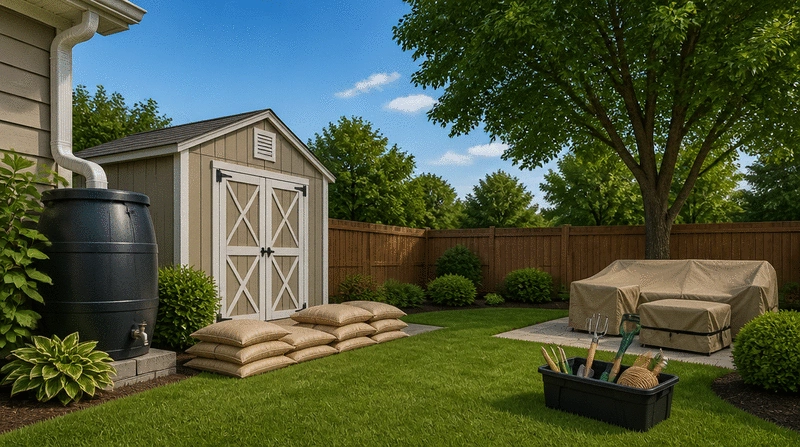
As the unpredictable fury of nature approaches, are you prepared to protect your home and loved ones? A well-thought-out storm readiness plan can be your first line of defense, safeguarding your property and providing peace of mind. Let’s explore the essential components of a proactive strategy that will help you weather any storm!
What You Will Learn
- Understanding your region's specific storm risks is crucial for effective preparedness.
- A comprehensive storm readiness plan includes assessing the health of your trees, creating an emergency communication strategy, and reviewing your insurance policy.
- Adapting your plan to address factors such as flooding, high winds, and tornado risks can significantly reduce potential property damage.
- Planning for special circumstances, including pet safety and accessibility for elderly residents, is essential for a well-rounded approach.
- Having an emergency kit and a clear evacuation plan can make all the difference in the event of severe weather.
- Year-round yard maintenance enhances resilience against storms and strengthens your overall storm preparedness strategy.
Storm Risks by Region
Understanding the common storm risks in your area can guide your storm readiness plan. For long-term tree risk management tips, it's essential to consider these regional threats.
Hurricane Regions
Expect high winds and heavy rains that can uproot trees and cause flooding.
Tornado-Prone Areas
Look out for sudden wind gusts that can cause severe structural damage.
Flood Zones
Prepare for water accumulation that can affect both your property and trees.
Snowy Climates
Heavy snow can weigh down branches, causing them to break and create hazards.
Understanding the Importance of a Storm Readiness Plan for Your Yard
As a homeowner, preparing your yard for storms isn’t just a suggestion—it’s a necessity! With my experience at Safe Canopy Care, I've seen how a well-thought-out storm readiness plan can protect your property and enhance your peace of mind. It’s like giving your home a safety shield against nature’s unpredictable fury!
So, why should every homeowner invest time into a storm preparedness strategy? The answer is simple: storms can cause serious damage to trees, plants, and even structures. By taking proactive steps, you can significantly reduce risks and potential costs associated with storm damage. After all, a few hours of planning now can save you a lot of heartache later!
Why Every Homeowner Needs a Storm Preparedness Strategy
Every region faces unique storm risks, and it’s vital to understand these to create an effective plan. Knowing what your area typically experiences—be it heavy winds, flooding, or ice storms—can guide your strategy. Here are some reasons to consider:
- Property Protection: A storm readiness plan safeguards your trees and yard from severe weather impacts.
- Family Safety: Preparing ensures your loved ones stay safe during emergencies.
- Peace of Mind: Being prepared can alleviate stress when storms are approaching.
Having a strategy means you’re not caught off guard. You’ll know what actions to take and how to respond quickly. Imagine feeling secure, knowing you’ve done everything possible to protect your home and family! For more on storm preparedness for tree owners, check out our detailed guide.
Overview of Common Storm Risks in Different Regions
Understanding the common storm risks in your area is crucial for effective preparation. Here’s a brief overview of various storm-related challenges you might face based on geographical location:
- Hurricane regions: Expect high winds and heavy rains that can uproot trees and cause flooding.
- Tornado-prone areas: Look out for sudden wind gusts that can cause severe structural damage.
- Flood zones: Prepare for water accumulation that can affect both your property and trees.
- Snowy climates: Heavy snow can weigh down branches, causing them to break and create hazards.
By recognizing these regional risks, you can tailor your storm readiness plan to address specific vulnerabilities. Make sure to keep an eye on local weather patterns and stay informed about potential threats. Your safety and that of your property is worth the effort!
Essential Components of an Effective Storm Readiness Plan
Once you understand the importance of storm readiness, it’s time to develop a robust plan. This plan should include a checklist to ensure you cover all necessary aspects of preparation. With my experience at Safe Canopy Care, I recommend starting with these essential components:
- Assessing the health of your trees and plants.
- Creating a timeline for preparation activities.
- Establishing emergency communication plans.
- Documenting and reviewing your insurance policy.
These steps will guide you in creating a comprehensive approach to keeping your yard and home safe from storms. Remember, investing time into storm preparedness is an investment into your family's safety!
Pro Tip
Did you know that performing a seasonal tree inspection can significantly enhance your storm readiness? Regularly check for weak branches, signs of disease, or instability, and consult with a tree care professional if you identify any issues. This proactive approach not only helps in protecting your property but also contributes to the overall health of your landscape!
Adapting Your Storm Readiness Plan to Regional Variations
As a tree safety expert, I understand that not all homes face the same storm challenges. That's why adapting your storm readiness plan to your specific region is crucial. Different areas encounter unique weather patterns and risks, so tailoring your approach can make all the difference in protecting your home and loved ones. Let’s dive into some specific considerations you should keep in mind!
Specific Considerations for Flood-Prone Areas
If you live in a flood-prone area, you need to take additional precautions to safeguard your property. Flooding can cause significant damage, not just to your yard but to your home as well. Here are some essential strategies to consider:
- Elevate your outdoor furniture and equipment to prevent water damage.
- Install drainage solutions, like French drains, to manage water flow effectively.
- Use sandbags or flood barriers around vulnerable areas of your property.
- Ensure your sump pump is in working condition and ready for use.
By implementing these measures, you can significantly reduce the risks associated with flooding. Remember, being proactive is key!
Unique Preparations for High-Wind Zones and Tornado Regions
For homeowners in high-wind zones or tornado-prone areas, your storm readiness plan must reflect the potential for severe winds. Understanding the risks involved can help you prepare your property effectively.
- Secure loose items in your yard, such as planters and furniture, to prevent them from becoming projectiles.
- Assess the health of your trees; consider removing any that show signs of instability.
- Install storm shutters or reinforce windows to reduce breakage risk.
- Have an emergency plan in place for quick shelter during tornado warnings.
When a tornado warning is issued, knowing how to respond quickly is essential. Here’s how to prepare:
Emergency Preparedness for Tornado Alerts and Local Weather Services
Staying informed is your best defense against tornadoes. Ensure you have reliable sources for weather updates:
- Sign up for local weather alerts via text or email.
- Download a weather app that provides real-time notifications.
- Establish a family communication plan in case of emergencies.
By staying connected and prepared, you can make informed decisions to keep your family safe. For more information on homeowners storm prep checklist, visit our blog.
Planning for Special Circumstances in Your Storm Readiness Strategy
Your storm readiness strategy should also consider special circumstances that might affect you, like family communication, pet safety, and accessibility. These factors can impact how effectively you respond during a storm.
Communication Plans for Family and Emergency Contacts
Having a solid communication plan can be a lifesaver during emergencies. Here’s how to set it up:
- Establish a family meeting point if you’re separated during a storm.
- Create a list of emergency contacts, including neighbors and family members.
- Practice your plan regularly to ensure everyone knows their role.
Good communication helps everyone feel secure and prepared!
Addressing the Needs of Pets and Livestock During Storms
Don't forget about your furry friends! Their safety is just as important as yours during severe weather. Here are some tips:
- Create a safe space inside your home for pets during storms.
- Prepare an emergency kit for pets, including food, water, and medications.
- Have a plan for livestock, ensuring they have adequate shelter and food supply.
By being mindful of your pets' needs, you help them feel safe and secure during uncertain times.
Accessibility Planning for the Elderly and Disabled Homeowners
Accessibility is crucial for ensuring everyone in your household can respond effectively during a storm. Here are some considerations:
- Identify safe spaces in your home that are easily accessible.
- Have emergency supplies within reach for those with mobility challenges.
- Coordinate with neighbors to assist those in need during storm events.
Planning ahead shows care and ensures everyone’s safety!
Creating an Emergency Kit and Evacuation Plan
Lastly, it’s essential to have an emergency kit and evacuation plan in place. Here are some items to include in your kit:
- First aid supplies for minor injuries.
- Non-perishable food and bottled water for at least three days.
- Flashlights, batteries, and backup chargers for devices.
- A battery-powered or hand-crank radio for weather updates.
An emergency kit can make a big difference when every second counts! Don’t forget to review your evacuation routes ahead of time. For more essential tips, consider our guide on essential tree emergency tips.
FAQs About Storm Readiness
Here are some frequently asked questions to help you better understand storm readiness and how to protect your property:
- Q1: Why is understanding regional storm risks important?
- A1: Understanding your region's specific storm risks (e.g., hurricanes, tornadoes, floods, heavy snow) allows you to tailor your preparedness plan to address the most relevant threats, making it more effective in protecting your property and family.
- Q2: What are the key components of an effective storm readiness plan for my yard?
- A2: Essential components include assessing tree health, creating a timeline for preparation activities, establishing emergency communication plans, documenting and reviewing your insurance policy, securing loose outdoor items, and ensuring proper drainage.
- Q3: How can I adapt my storm readiness plan for flood-prone areas?
- A3: In flood-prone areas, you should elevate outdoor furniture, install drainage solutions like French drains, use sandbags or flood barriers, and ensure your sump pump is working correctly.
- Q4: What special preparations are needed for high-wind or tornado-prone regions?
- A4: For high-wind and tornado-prone areas, secure loose yard items, assess and address unstable trees, consider storm shutters or reinforced windows, and have an emergency plan for quick shelter during warnings. Staying informed via weather alerts is also crucial.
- Q5: What should be included in an emergency kit?
- A5: An emergency kit should contain first aid supplies, non-perishable food and water for at least three days, flashlights, batteries, backup device chargers, and a battery-powered or hand-crank radio for weather updates.
- Q6: How can I ensure the safety of pets and elderly family members during a storm?
- A6: For pets, create a safe indoor space and prepare an emergency kit with food, water, and medications. For elderly or disabled homeowners, identify easily accessible safe spaces, keep emergency supplies within reach, and coordinate with neighbors for assistance.
Summarizing Your Storm Readiness Plan with a Call to Action
In conclusion, having a solid storm readiness plan tailored to your specific needs is vital for protecting your property. Remember, being prepared is not just about the storms; it’s about creating a safe environment for your family. At Safe Canopy Care, we’re committed to helping you achieve peace of mind through proactive tree care and risk management. So, let’s make this a year-round effort!
Encouraging Year-Round Yard Maintenance for Storm Preparedness
Maintaining your yard year-round not only ensures its beauty but also enhances its resilience against storms. Regular inspections and care can prevent severe damage when bad weather strikes. For guidance on protecting trees in severe weather, refer to our comprehensive article.
Interactive Resources: Take Your Storm Readiness Score Today!
Want to know how ready you are for storms? Take our interactive assessment today! It’s a fun and informative way to gauge your preparedness level.
Engage Your Community: Share Your Tips for Storm Readiness
Let’s build a culture of safety together! Share your storm preparedness tips with your neighbors and join community efforts to spread awareness.
Participating in Community Drills and Neighborhood Watch Initiatives
Engaging in community drills can help everyone respond effectively during emergencies. Consider participating in neighborhood watch initiatives that focus on storm preparedness!
By working together and supporting each other, we can ensure that our homes are ready for whatever nature may bring. Let’s take action today!
Recap of Key Points
Here is a quick recap of the important points discussed in the article:
- Understand Regional Risks: Know the specific storm threats your area faces, like hurricanes, tornadoes, or flooding.
- Essential Preparations: Assess your yard, create a preparation timeline, and establish emergency communication plans.
- Special Considerations: Tailor your plan for pets, elderly, and those with disabilities to ensure everyone's safety.
- Create an Emergency Kit: Include first aid supplies, non-perishable food, water, and communication devices in your emergency kit.
- Year-Round Maintenance: Regular yard care enhances resilience against storms and reduces potential damage.

Evelyn Hartman
Evelyn Hartman is a dedicated tree safety expert with over a decade of experience in the arboriculture industry. With a passion for protecting homes and properties, Evelyn specializes in proactive tree safety measures, storm preparedness, and emergency response. She is committed to educating homeowners about the importance of tree care and risk prevention, ensuring that families can enjoy their outdoor spaces with peace of mind.
Popular Posts
Tree Risk Management for Outbuildings
![Tree Risk Management for Outbuildings]() ##
Have you ever considered how the trees around your property could impact the safety of your outbu
##
Have you ever considered how the trees around your property could impact the safety of your outbu
 ##
Have you ever considered how the trees around your property could impact the safety of your outbu
##
Have you ever considered how the trees around your property could impact the safety of your outbu
Tree Cavities and Structural Safety
![Tree Cavities and Structural Safety]() Have you ever wondered how the health of a tree can directly impact your property’s safety? Unders
Have you ever wondered how the health of a tree can directly impact your property’s safety? Unders
 Have you ever wondered how the health of a tree can directly impact your property’s safety? Unders
Inspecting Tree Canopies for Safety
![Inspecting Tree Canopies for Safety]() As severe weather approaches, the safety of your property hangs in the balance. By understanding the
As severe weather approaches, the safety of your property hangs in the balance. By understanding the
 As severe weather approaches, the safety of your property hangs in the balance. By understanding the
Tree Safety Tips for Driveways
![Tree Safety Tips for Driveways]() Ensuring the safety of your home extends beyond its walls, particularly when it comes to the trees s
Ensuring the safety of your home extends beyond its walls, particularly when it comes to the trees s
 Ensuring the safety of your home extends beyond its walls, particularly when it comes to the trees s
