Identifying Hazardous Trees Pre-Storm

how to identify hazardous trees before a storm

As storms become more frequent and severe, the safety of your property and loved ones relies heavily on understanding the risks posed by hazardous trees. Are you prepared to tackle the potential dangers lurking in your backyard? Here’s what you need to know to safeguard your home and enhance your storm preparedness.

What You Will Learn

  • Recognize what constitutes a hazardous tree and the risks it can pose, including falling branches and tree collapse.
  • Understand the importance of proactive tree assessments to prevent damage and ensure safety before storm season.
  • Learn to identify visual signs of tree hazards such as cracks, decay, and leaning trunks.
  • Acknowledge when to seek professional help from arborists for tree evaluations and emergency services.
  • Be aware of your legal responsibilities regarding tree maintenance and the potential liability for damage to neighboring properties.
  • Familiarize yourself with common tree diseases and pests that can weaken trees and increase storm vulnerability.

Recognizing Hazardous Trees: Key Indicators

Homeowners should be vigilant in identifying signs of hazardous trees. Below are critical visual indicators that signal potential risks. For more detailed information on identifying dangerous trees, check out our Dangerous Trees Identification Guide.

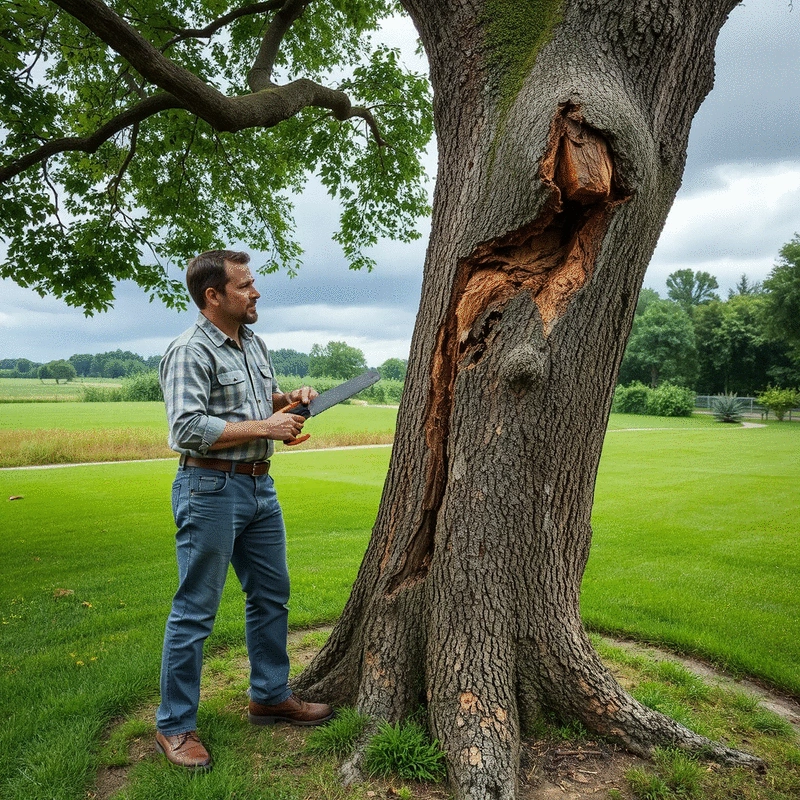
Cracks in the Trunk

Vertical cracks can indicate internal decay and structural weakness.

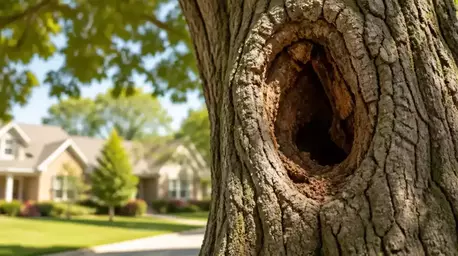
Decay or Cavities

Soft wood and holes in the trunk show compromised structural integrity.

Leaning Trees

A sudden lean may indicate issues with the root system, posing a risk.

Weak Branch Unions

Branches that meet at weak points can split and cause failures.

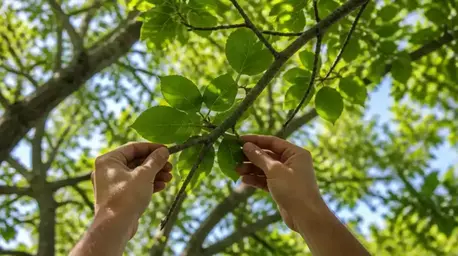
Dead Branches

These can unexpectedly fall, posing dangers to people and property.

Widowmakers

Branches that are dead but still attached can be especially hazardous.

Understanding Hazardous Trees and Storm Preparedness

When it comes to trees, not all are created equal. Some can pose serious risks, especially during storms. Hazardous trees can lead to significant property damage and even harm to individuals. That’s why understanding what makes a tree hazardous is crucial for storm preparedness. At Safe Canopy Care, I’ve seen firsthand how identifying these risks can protect homes and families, allowing everyone to enjoy their outdoor spaces worry-free.

Defining Hazardous Trees and Their Risks

A hazardous tree is one that has conditions making it likely to fail under stress, such as strong winds during a storm. Common risks associated with hazardous trees include:

  • Falling branches: Dead or weak branches can break off and cause injury or damage.
  • Tree collapse: Trees that are decayed or leaning can fall entirely, crushing anything in their path.
  • Pests and diseases: These can weaken a tree’s structure, making it more susceptible to failure.

Understanding these risks is the first step in ensuring your property is safe. By being aware of what to look for, you can take proactive steps to mitigate potential hazards.

Importance of Identifying Tree Hazards Before a Storm

Proactive assessments are vital when it comes to protecting your home from storm-related damage. By identifying tree hazards before the storm season, you can:

  • Prevent damage: Catching issues early can save you from costly repairs.
  • Ensure safety: Knowing the condition of your trees gives you peace of mind.
  • Take action: If a tree is identified as hazardous, steps can be taken to remove or prune it.

Regular inspections not only help maintain the beauty of your landscape but also safeguard your family. Isn’t it reassuring to know you’ve done all you can to prepare for whatever nature throws your way? For more information on preparing your trees, visit our guide on Preparing Trees for Storm Season.

Understanding Tree Anatomy and Its Impact on Storm Resistance

The anatomy of a tree plays a significant role in its ability to withstand storms. Factors such as branch structure and root system can influence how well a tree holds up against high winds. For instance:

  • Branch structure: Trees with strong, well-formed branches are less likely to break.
  • Root systems: A deep, extensive root system anchors a tree better, providing stability.
  • Tree age and health: Younger, healthier trees are typically more resilient than older, weakened ones.

As a tree care expert, I often emphasize to homeowners the importance of understanding their trees. By learning about how your trees are built, you can better anticipate how they might react in a storm.

Recognizing Visual Signs of Tree Hazards

Before storms hit, it’s essential to recognize the visual signs of hazardous trees. By being vigilant, you can take steps to prevent potential problems. Here are some common indicators to look out for:

  • Cracks in the trunk: These can be signs of internal decay.
  • Decay or cavities: Soft wood indicates a tree's structural integrity may be compromised.
  • Leaning trees: A tree that has suddenly started leaning may have issues with its root system.

Taking the time to examine your trees regularly can make a significant difference in your storm preparedness.

Common Visual Indicators of Hazardous Trees

Recognizing hazardous trees requires looking for specific visual indicators. Some of the most important signs include:

  • Cracked trunks: Look for vertical cracks that could indicate weakness.
  • Decay: If you notice soft spots or holes in the trunk, that’s a red flag.
  • Cavities: These can harbor pests and further weaken the tree.
  • Leaning trees: If the lean is recent, it may signal instability.

By being observant, you can catch these hazards early and take action to protect your home. For comprehensive information, explore our article on Long-Term Tree Risk Management Tips.

Assessing Specific Tree Defects

Certain defects pose particular risks to homeowners. Here’s a look at the most critical specific tree defects to assess:

  • Weak branch unions: Where branches meet can be a weak point; inspect for signs of splitting.
  • Dead branches: These can fall unexpectedly, posing a danger to people and property.
  • Widowmakers: This term refers to branches that are dead but still attached, and they’re especially hazardous.

Regularly checking for these defects can help you maintain a safer yard and prevent accidents during stormy weather.

Identifying Tree Diseases and Pests

Tree health is crucial for storm resilience. Common diseases and pests can compromise a tree’s strength. Here are some to watch for:

  • Fungal infections: These can weaken the tree’s structure.
  • Insect infestations: Pests like bark beetles can damage trees from the inside out.
  • Root rot: This disease can occur due to overwatering or poor drainage, affecting stability.

By keeping an eye out for these conditions, you can take steps to treat or remove affected trees before they become a problem.

At Safe Canopy Care, I believe that a well-informed homeowner is the best defense against tree hazards. By understanding what to look for and taking proactive measures, you can enhance your safety and peace of mind during storm season.

Ensuring Safety and Professional Help

When it comes to tree safety, knowing when to seek help can be just as important as performing inspections yourself. There are certain scenarios where a professional arborist, like those at Safe Canopy Care, can provide invaluable insight and support. Not only do they have the expertise to evaluate hazardous trees, but they also bring a level of safety to the table that homeowners might not have.

Here are some situations where you should consider calling an arborist:

  • Visible damage to your trees after a storm, such as broken branches or leaning trunks.
  • Signs of decay or disease, including mushrooms growing at the base of the tree.
  • Uncertainty about the stability of your trees, especially if they’re located near structures or power lines.
  • If your tree is more than 15 feet tall and showing signs of distress, it’s best to consult a professional.

Understanding Legal Responsibilities and Liability

Homeowners often overlook the legal aspects of tree ownership, especially when it comes to neighboring properties. If a tree from your yard causes damage to a neighbor’s property, you could potentially be held liable. Understanding these responsibilities is crucial for every homeowner.

Here are a few key points to consider when it comes to legal responsibilities:

  • If your tree falls due to neglect or lack of care, you may face liability for damages.
  • Check local laws regarding tree ownership and maintenance responsibilities. Laws can vary greatly by region.
  • Document the health and condition of your trees regularly to help protect yourself in legal situations.

Emergency Tree Services: What to Know

During a storm, trees can pose immediate hazards that require urgent attention. Knowing when to contact emergency tree services is vital to ensuring safety and minimizing damage. The experts at Safe Canopy Care are equipped to handle urgent tree situations efficiently.

Here are some signs it's time to seek emergency tree services:

  • Entire trees or large branches have fallen onto your property or driveway.
  • Your tree is leaning dangerously, posing a risk of collapse.
  • Injury to people or pets has occurred due to tree-related incidents.
  • Power lines have been impacted by fallen trees or limbs.
For more detailed information on when and how to get help, refer to our guide on Using a Tree Service Directory.

Frequently Asked Questions About Hazardous Trees

Here are some common questions homeowners have about identifying and managing hazardous trees:

Q: What are the most common signs of a hazardous tree?
A: The most common signs include cracks in the trunk, decay or cavities, sudden leaning, weak branch unions, and the presence of dead branches or "widowmakers."
Q: Why is it important to assess tree hazards before storm season?
A: Proactive assessments help prevent costly storm damage, ensure the safety of your property and loved ones, and allow you to take timely action to mitigate risks, such as removal or pruning.
Q: How do tree diseases and pests affect a tree's storm resilience?
A: Diseases like fungal infections and pests such as bark beetles or root rot can weaken a tree's internal structure and stability, making it more vulnerable to breaking or falling during high winds and heavy precipitation.
Q: When should I call a professional arborist?
A: You should call an arborist if you notice significant damage after a storm, signs of decay or disease, if you are unsure about a tree's stability (especially near structures or power lines), or if a large tree shows distress.
Q: Can I be held liable if my tree damages a neighbor's property during a storm?
A: Yes, if your tree falls due to neglect or a lack of proper care, you could be held liable for damages. It's crucial to regularly inspect and maintain your trees and to understand local tree ownership laws.

Concluding Thoughts on Tree Safety Before Storms

Summarizing Key Takeaways for Homeowners

Tree safety is an ongoing commitment that requires regular evaluations and proactive measures. By identifying hazardous trees and understanding the risks involved, you can protect your home and loved ones. Remember, it’s always better to be safe than sorry, especially as storms approach. Discover more Tree Safety Risk Prevention Tips to keep your property secure.

Encouraging Proactive Tree Management Practices

As a homeowner, taking charge of your tree safety can make a world of difference! I encourage you to regularly assess your trees and seek professional advice when needed. At Safe Canopy Care, we’re dedicated to providing you with the tools and knowledge to keep your property safe. Together, we can create a secure environment for your family to enjoy. Don’t wait for the storm to act—start your tree assessment today!

Recap of Key Points

Here is a quick recap of the important points discussed in the article:

  • Identifying Hazardous Trees: Look for signs such as dead branches, leaning trees, and internal decay.
  • Proactive Assessments: Regular inspections before storm season can prevent damage and ensure safety.
  • Understanding Tree Anatomy: Strong branch structures and extensive root systems enhance a tree's storm resistance.
  • Recognizing Visual Indicators: Cracks, decay, and cavities are critical signs of potential hazards.
  • Seeking Professional Help: Contact arborists for visible damage, signs of decay, or uncertainty about tree stability.
  • Legal Responsibilities: Homeowners can be liable for damage caused by neglected trees; regular documentation can help protect against legal issues.
  • Emergency Services: Know when to seek emergency tree services, especially during storms.
About !author

Evelyn Hartman

Evelyn Hartman is a dedicated tree safety expert with over a decade of experience in the arboriculture industry. With a passion for protecting homes and properties, Evelyn specializes in proactive tree safety measures, storm preparedness, and emergency response. She is committed to educating homeowners about the importance of tree care and risk prevention, ensuring that families can enjoy their outdoor spaces with peace of mind.

Popular Posts

Homeowner's Storm Prep Checklist storm preparedness checklist for homeowners with trees As homeowners, understanding the potential dangers storms pose to our landscapes can be the differen
Assessing Tree Stability Post-Storm how to assess tree stability after a storm What if your seemingly intact tree holds hidden dangers? After a storm, many homeowners overlook the
Tree Inspections: A Safety Necessity importance of regular tree inspections for safety Have you ever thought about the hidden dangers that trees on your property might pose? While they pr
Identifying Hazardous Trees Pre-Storm how to identify hazardous trees before a storm As storms become more frequent and severe, the safety of your property and loved ones relies heavily