Protecting Young Trees from Storms
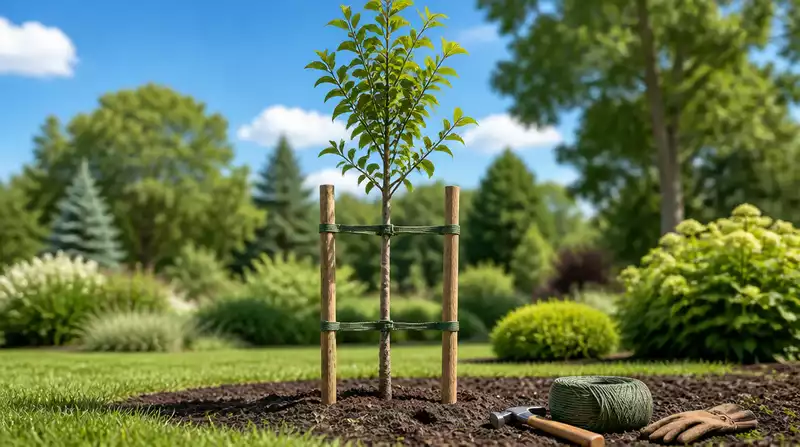
As storms become increasingly unpredictable, understanding how to protect young trees is vital for preserving your landscape's health and longevity. This proactive approach not only safeguards your investment but also promotes environmental resilience.
Key Takeaways
- Young trees are vulnerable to storms due to their shallow roots and thin trunks; securing them is essential for their survival.
- Implement protective measures like staking and using coverings to minimize the risk of wind uplift and branch breakage.
- Create a comprehensive storm-prep checklist to systematically ensure your trees are ready for harsh weather conditions.
- Post-storm care is crucial; inspect your trees for damage and take swift action to promote recovery and long-term health.
- Recognize signs that indicate your young tree may need additional support, such as leaning or visible roots above the soil.
- Understanding transplant shock is important; providing consistent watering and limiting pruning can help mitigate its effects.
- Pruning after a storm is not just aesthetic; it aids in recovery and promotes healthier growth for future resilience.
Key Factors in Protecting Young Trees
The following important factors highlight the reasons for securing young trees before storms, along with potential threats and essential preparations. For more information on proactive tree care, consider exploring long-term tree risk management tips to ensure your landscape remains safe and healthy.
Why Protecting Newly Planted Trees Matters
- Root Development: Healthy roots ensure stability.
- Wind Resistance: Secured trees resist high winds.
- Property Protection: Minimize damage to structures.
Common Storm-Related Threats
- Wind Uplift: Uproots trees with shallow roots.
- Branch Breakage: High winds can snap branches.
- Flooding: Saturated soil leads to root rot.
Essential Preparations for Storm-Proofing Trees
- Inspect tree health for weakness.
- Ensure proper staking and support systems.
- Cover trees with burlap for extra protection.
- Check soil moisture and water accordingly.
Steps for Post-Storm Inspection
- Assess the tree’s overall condition.
- Look for fallen branches that impede growth.
- Check for root displacement or damage.
Understanding the Importance of Securing Young Trees Before Storms
As a tree safety expert, I can’t emphasize enough how crucial it is to secure young trees before storms hit. Young trees, with their tender roots and thin trunks, are particularly vulnerable to strong winds and heavy rain. By taking proactive measures to protect them, you not only safeguard your investment but also contribute to the longevity and health of your landscape. Just imagine how satisfying it will be to see your trees flourish for years to come!
Ensuring the safety of newly planted trees is vital for a variety of reasons. For one, young trees are still establishing their roots and may not yet have the strength to withstand harsh weather conditions. Additionally, protecting these trees means reducing the risk of potential damage to your home or property. When we secure young trees, we’re essentially nurturing them into sturdy, resilient guardians of our environment.
Why Protecting Newly Planted Trees Matters
Have you ever watched a heavy storm sweep through and wondered how your young trees would fare? Protecting newly planted trees is essential for several reasons:
- Root Development: Young trees need time to develop strong roots. Protecting them ensures they grow healthy and deep.
- Wind Resistance: Secure trees are better able to withstand strong winds, preventing potential toppling.
- Property Protection: Secured trees can minimize damage to your home and garden during severe weather.
At Safe Canopy Care, we prioritize these factors because we understand that a little care goes a long way in nurturing young trees into robust, lifelong companions for your property. Monitoring their growth and stability can create a lasting positive impact on your landscape. For more tips on strengthening your trees, check out our guide on pruning trees for storm resilience.
Common Storm-Related Threats to Young Trees
Young trees face a variety of threats during storms that can compromise their health and growth. Some of the most common threats include:
- Wind Uplift: Strong winds can uproot young trees, especially those with shallow root systems.
- Branch Breakage: High winds can cause the branches of tender young trees to snap, leading to injury.
- Flooding: Excessive rain can saturate the soil, leading to root rot and other issues.
By being aware of these dangers, you can take steps to implement proper protective measures. For instance, utilizing tree staking or protective coverings can make all the difference in ensuring your young trees endure the storm intact and healthy. Remember, your vigilance today can pave the way for a lush, green tomorrow!
Essential Preparations for Storm-Proofing Trees
Now that we've discussed why securing young trees is essential, let's dive into the preparations you can take to storm-proof them. Having a solid plan in place ensures that you are ready when the winds begin to howl. At Safe Canopy Care, I always recommend creating a comprehensive storm-prep checklist specific to the young trees in your yard.
Creating this checklist not only organizes your efforts but also helps you stay proactive. By systematically evaluating your trees, you can implement the necessary steps to ensure their safety. So, let’s explore what this checklist should include!
Creating a Storm-Prep Checklist for Young Trees
When crafting your storm-prep checklist, think about what specific actions will best protect your young trees. Here are key items to include:
- Inspect tree health for signs of weakness.
- Ensure proper staking and support systems are in place.
- Cover trees with burlap or row covers for extra protection.
- Check soil moisture levels and ensure adequate watering.
This checklist serves as a practical guide that, when followed, can help you feel confident about your trees’ resilience against storms. Taking these steps will not only safeguard your trees but also enhance your peace of mind during storm season! For a comprehensive guide, refer to our homeowner's storm prep checklist.
Key Items to Include in Your Checklist
As you prepare your storm-prep checklist, make sure it includes the following key items:
- Assess tree stability and strength.
- Gather necessary materials for tree staking.
- Plan for watering to strengthen roots.
- Identify locations for protective coverings.
By having a detailed checklist, you'll be ready to tackle storm preparations for your young trees effectively. Remember, proactive measures equal peace of mind!
Pro Tip
To enhance the stability of your young trees during storms, consider using a combination of staking and protective coverings. Staking provides immediate support, while burlap wraps or row covers can shield them from harsh winds and rain. This dual approach not only protects against physical damage but also helps your trees acclimate more effectively to their environment.
Assessing the Need for Tree Staking and Support
When it comes to caring for young trees, one of the biggest questions homeowners face is whether to stake them or let them grow naturally. Understanding the specific needs of your trees is crucial. At Safe Canopy Care, I often emphasize that not every young tree requires staking. It depends on factors like species, growth habits, and local weather conditions. Observing your trees closely can help you make the right decision!
So, how do you know if your tree needs staking? Watch for signs of instability, especially after planting or during windy periods. Here are some key points to consider:
- Tree height compared to its base—does it look top-heavy?
- Signs of leaning or poor root anchoring after heavy rains.
- Visible stress in the trunk or branches during windy conditions.
When to Stake Young Trees versus Leaving Them Unstaked
Staking can provide crucial support, especially for newly planted trees that haven’t yet established strong root systems. But, it’s important to know when to use this method effectively. For instance, if a young tree is less than three feet tall and has broad leaves, it might need some extra support. Conversely, trees that are already stable and have strong trunks may thrive without staking.
Here are some scenarios to guide your decision:
- If the tree is small and in an open area prone to wind, consider staking.
- In sheltered environments, such as near buildings, it may be fine to leave them unstaked.
- After heavy rain or storms, assess whether the tree has shifted or appears unstable before deciding.
Identifying Signs That Your Tree Requires Support
It’s essential to recognize the signs that indicate your young tree may need additional support. Observing its growth and environmental interactions can really help! Look for these signs:
- Leaning trunk—this could indicate a lack of stability.
- Roots visible above the soil, suggesting they haven’t anchored properly.
- Branches that are not growing straight or appear uneven.
If you notice any of these signs, it may be time to implement support measures to ensure your tree establishes itself well. Remember, addressing these issues early can save you from larger problems down the road! For further guidance on identifying potential issues, read our article on dangerous trees identification guide.
Understanding Transplant Shock and Its Impact on Young Trees
Transplant shock is a common issue that can affect newly planted trees, and understanding this phenomenon is crucial. When a tree is moved, it experiences stress that can inhibit growth and stability. Symptoms of transplant shock include wilting leaves, stunted growth, and poor branch development. This impact can be especially pronounced in the first year after planting.
To counteract transplant shock, consider these strategies:
- Water your young trees regularly to help them acclimate.
- Mulch around the base to maintain soil moisture and temperature.
- Limit pruning in the first year to allow the tree to focus energy on root establishment.
By nurturing your tree through its initial stress period, you can set it up for a healthier and more resilient future!
Frequently Asked Questions About Protecting Young Trees During Storms
Q: Why are young trees more vulnerable to storms?
A: Young trees have shallow root systems and thin trunks, making them less stable and more susceptible to strong winds, heavy rain, and uprooting compared to mature trees.
Q: What are common storm-related threats to young trees?
A: Common threats include wind uplift (uprooting), branch breakage from high winds, and flooding, which can lead to root rot in saturated soil.
Q: What should be included in a storm-prep checklist for young trees?
A: A storm-prep checklist should include inspecting tree health, ensuring proper staking and support, covering trees with burlap or row covers, and checking soil moisture levels.
Q: When should I stake a young tree?
A: Staking is beneficial for newly planted trees, those less than three feet tall with broad leaves, or trees in open, windy areas. Stable trees with strong trunks in sheltered environments may not require staking.
Q: How can I identify if my young tree needs additional support?
A: Look for signs such as a leaning trunk, roots visible above the soil, or branches that are not growing straight or appear uneven. These indicate a lack of stability.
Q: What is transplant shock and how can it be mitigated?
A: Transplant shock is stress experienced by newly moved trees, causing wilting, stunted growth, and poor branch development. Mitigate it by regular watering, mulching, and limiting pruning in the first year.
Q: What are the first steps for post-storm inspection of young trees?
A: After a storm, assess the tree's overall condition, check for fallen branches, and inspect the root area for displacement or damage. Address leaning trunks by straightening and staking, tamp soil around lifted roots, and prune split branches.
Q: Why is pruning important after a storm?
A: Post-storm pruning removes broken branches, reduces stress, and encourages new, healthy growth. It also improves air circulation and light penetration, making trees more resilient to future storms.
Post-Storm Care and Recovery for Damaged Trees
Even with the best preparations, storms can sometimes cause damage to our trees. Taking prompt action after a storm can make a significant difference in recovery! After the winds die down, it’s important to inspect your young trees for any signs of damage. Here’s how you can assess their condition:
- Check for leaning trunks that may need straightening.
- Look for signs of root lift where soil has been displaced.
- Inspect branches for splits or breaks that may need pruning.
Steps for Post-Storm Inspection of Young Trees
After the storm, your first priority should be a thorough inspection. Here’s a step-by-step approach:
- Assess the tree’s overall condition.
- Look for any fallen branches or debris that could impede growth.
- Check the area around the roots for displacement or damage.
Taking these steps will help you gauge the level of care your tree requires to bounce back effectively.
How to Address Leaning, Root Lift, or Branch Splits
When dealing with post-storm damage, it’s crucial to act swiftly. If your tree is leaning, gently straighten it and stake it temporarily for support. In the case of root lift, carefully tamp the soil back around the roots to help stabilize them. For branches that have split, pruning is essential to prevent further injury and encourage healthy regrowth. For more detailed advice, read our guide on assessing tree stability post-storm.
Best Practices for Post-Storm Recovery
Once you’ve addressed immediate concerns, focus on recovery. Here are some best practices to promote healing:
- Prune damaged branches to reduce stress and encourage new growth.
- Consider soil aeration to improve oxygen access and drainage.
- Monitor moisture levels and ensure your tree is adequately watered.
Importance of Pruning and Care After a Storm
Pruning after a storm isn’t just about aesthetics; it’s about health! By removing broken branches and ensuring the tree’s shape is maintained, you promote better air circulation and light penetration. Remember, healthy trees are more resilient against future storms!
Soil Aeration and Moisture Retention for Recovery
Aerating the soil can help with moisture retention, especially after a storm. This technique improves drainage and enhances root access to nutrients. After heavy rain, it’s vital to keep an eye on the soil’s moisture levels to avoid waterlogged conditions that can harm young trees.
Final Thoughts on Securing Young Trees
Taking the time to prepare your young trees for storms and addressing their needs post-storm is invaluable. At Safe Canopy Care, I encourage all homeowners to adopt proactive measures for storm preparedness. By understanding the specific needs of your trees and implementing proper care strategies, you can significantly enhance their resilience against storms!
For more resources on tree care, feel free to reach out or explore community gardening initiatives that foster urban forestry. Together, we can create a culture of safety for our green spaces. What steps have you taken to ensure your trees thrive through the unpredictable seasons? Let's share our insights and grow stronger together!
Recap of Key Points
Here is a quick recap of the important points discussed in the article:
- Secure Young Trees: Protecting young trees before storms is essential for their growth and stability.
- Monitor Threats: Be aware of common storm-related threats such as wind uplift, branch breakage, and flooding.
- Create a Checklist: Develop a storm-prep checklist including health inspections, staking, and protective coverings.
- Assess Staking Needs: Determine if staking is necessary based on the tree's size, stability, and environmental conditions.
- Post-Storm Care: Conduct thorough inspections after storms, addressing any leaning, root lift, or damaged branches promptly.
- Promote Recovery: Prune damaged branches, monitor soil moisture, and consider soil aeration for optimal recovery.

Evelyn Hartman
Evelyn Hartman is a dedicated tree safety expert with over a decade of experience in the arboriculture industry. With a passion for protecting homes and properties, Evelyn specializes in proactive tree safety measures, storm preparedness, and emergency response. She is committed to educating homeowners about the importance of tree care and risk prevention, ensuring that families can enjoy their outdoor spaces with peace of mind.
Popular Posts
Tree Risk Management for Outbuildings
![Tree Risk Management for Outbuildings]() ##
Have you ever considered how the trees around your property could impact the safety of your outbu
##
Have you ever considered how the trees around your property could impact the safety of your outbu
 ##
Have you ever considered how the trees around your property could impact the safety of your outbu
##
Have you ever considered how the trees around your property could impact the safety of your outbu
Tree Cavities and Structural Safety
![Tree Cavities and Structural Safety]() Have you ever wondered how the health of a tree can directly impact your property’s safety? Unders
Have you ever wondered how the health of a tree can directly impact your property’s safety? Unders
 Have you ever wondered how the health of a tree can directly impact your property’s safety? Unders
Inspecting Tree Canopies for Safety
![Inspecting Tree Canopies for Safety]() As severe weather approaches, the safety of your property hangs in the balance. By understanding the
As severe weather approaches, the safety of your property hangs in the balance. By understanding the
 As severe weather approaches, the safety of your property hangs in the balance. By understanding the
Tree Safety Tips for Driveways
![Tree Safety Tips for Driveways]() Ensuring the safety of your home extends beyond its walls, particularly when it comes to the trees s
Ensuring the safety of your home extends beyond its walls, particularly when it comes to the trees s
 Ensuring the safety of your home extends beyond its walls, particularly when it comes to the trees s
