Windbreaks
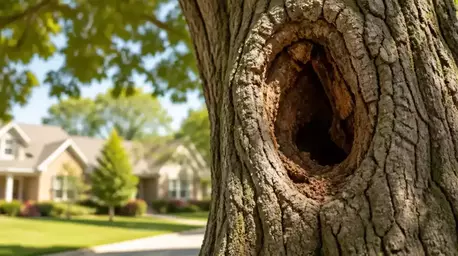
Healthy trees act as windbreaks, significantly reducing wind force on your home during storms.
As storms become increasingly unpredictable, safeguarding your trees is not just a good idea, it's a necessity. Proper preparation can mean the difference between safety and disaster when severe weather strikes. Here’s what you need to know to keep your trees—and your home—safe during storm season.
Understanding the essential roles that trees play in safeguarding our homes during storms is crucial. Below are the significant benefits of trees represented visually for better comprehension. For more comprehensive insights into maintaining tree health and preventing risks, explore our guide on long-term tree risk management tips.
Healthy trees act as windbreaks, significantly reducing wind force on your home during storms.
The roots of trees help stabilize soil, preventing erosion and reducing the risk of landslides.
Trees absorb significant amounts of rainwater, which reduces runoff and minimizes flooding risks.
Regular inspections and proper tree care can significantly enhance these protective benefits during storm seasons.
As a tree safety expert, I often see how essential it is to prepare our trees before a storm hits. Trees can provide shade and beauty to our properties, but they can also become dangerous if not properly maintained. Understanding the role trees play in storm damage prevention is the first step toward ensuring the safety of your home and loved ones.
When a storm approaches, the last thing we want is for a tree to become a hazard. Trees with weak branches or decayed trunks can easily fall during high winds, causing damage to your home or nearby structures. That’s why proactive tree care is critical, especially in regions prone to severe weather. Being prepared not only protects your property but also gives you peace of mind during storm season.
Trees play a significant role in preventing storm damage, but they must be healthy and well-maintained. Here are some key benefits that trees provide:
At Safe Canopy Care, we understand how to maximize these benefits through proper tree care. This means assessing the health of your trees regularly and addressing any issues before a storm arrives. For more ways to protect your property, consider these storm-ready landscaping tips.
Before a storm strikes, there are several safety considerations to keep in mind when maintaining your trees. Ensuring your trees are healthy and well-trimmed can prevent potential hazards. Here are some steps you should take:
Remember, maintaining healthy trees is an ongoing process. At Safe Canopy Care, we believe that early detection and proactive measures can significantly reduce risks. By keeping a close eye on your trees, you’re taking an important step toward ensuring the safety of your home.
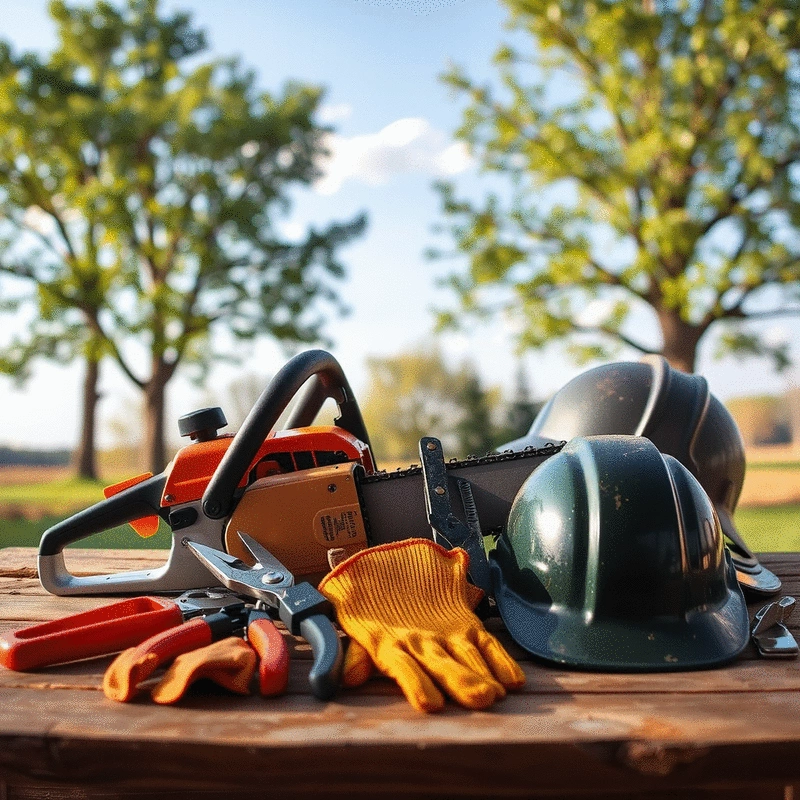
To effectively prepare your trees for storm season, having the right tools is essential. Using proper equipment not only makes the job easier but also enhances your safety during tree maintenance. Here’s a rundown of some important tools you might need:
Keep in mind that preparation is key! Each tool serves a specific purpose, and understanding how to use them will aid in your storm preparedness efforts.
Before a storm hits, consider creating a tree care calendar. Schedule regular inspections and maintenance tasks throughout the year. This proactive approach not only ensures your trees remain healthy but also prepares them for any severe weather that may arise!
After the storm has passed, one of the first things on your mind might be the cleanup. It’s crucial to approach post-storm debris cleanup with a clear plan and the right tools at your disposal. Not only does this ensure safety, but it also speeds up the restoration of your outdoor space. Let’s explore how to operate equipment safely during cleanup and which tools are essential for the job!
When tackling post-storm debris, safety should always come first. Operating equipment incorrectly can lead to accidents, especially after a storm when conditions may still be hazardous. Here are some key safety tips to keep in mind:
Remember, it’s better to take your time during cleanup than rush and risk injury. If you're feeling uncertain about operating heavy equipment, don’t hesitate to reach out to professional services like Safe Canopy Care for assistance! For those looking to understand the signs of potential hazards, check out our guide on hazardous tree warning signs.
With safety in mind, let’s dive into the tools that can help you clear away debris effectively. Each tool has its specific purpose, making the cleanup process more efficient:
Using the right tools not only makes the job easier but also helps protect your property from further damage. If you’re unsure which tools to choose or how to operate them, consider taking my Safe Canopy Care Tree Safety Masterclass. It’s designed to help you navigate these situations like a pro!
Understanding the unique challenges that different tree species face in various regions is vital for effective storm preparedness. Trees are not one-size-fits-all, and knowing how to care for your trees based on local conditions can make all the difference.
If you live in a hurricane-prone area, you’ll want to focus on securing trees that might be uprooted by strong winds. Conversely, in Tornado Alley, it’s crucial to identify trees that can be easily damaged by intense rotational winds. Here are steps for both regions:
At Safe Canopy Care, we often work with homeowners to develop tailored strategies based on their specific locations and tree species. This proactive approach helps ensure your landscape is as safe as possible!
Different tree species have unique requirements and vulnerabilities. Here are some considerations to keep in mind:
Being aware of these specifics allows you to take the necessary measures to protect your property. If you're unsure how to assess your trees, consider scheduling a consultation with a certified arborist to get expert advice tailored to your needs.
As a homeowner, you might wonder whether to handle tree care yourself or hire a professional service like Safe Canopy Care. Each option has its own benefits and challenges, so let’s break it down!
Taking the DIY approach can save you money, but it requires time, effort, and a good understanding of tree care. Here are some factors to consider:
While DIY may seem appealing, remember that mistakes can lead to costly damages or injuries. That’s where professionals come in!
Knowing when to call in the experts is crucial. Here’s when it makes sense to seek professional help:
At Safe Canopy Care, we offer expert services that can give you peace of mind, knowing your trees are well taken care of. Don’t hesitate to reach out if you’re feeling overwhelmed! For guidance on choosing the right professionals, learn how to use a tree service directory.
In conclusion, being proactive about tree care and preparation is essential for enhancing home safety. I hope the strategies and tools discussed help you feel more equipped to handle storms and their aftermath.
Investing in the right tools, understanding your trees, and knowing when to seek help can make all the difference. Storms can’t be avoided, but with proper preparation, you can minimize their impact on your property!
I encourage you to take action today! Whether it’s reviewing your tree care strategy or enrolling in the Safe Canopy Care Tree Safety Masterclass, staying informed is key. Together, we can build a safer, more resilient environment for you and your loved ones!
Here is a quick recap of the important points discussed in the article:
Evelyn Hartman is a dedicated tree safety expert with over a decade of experience in the arboriculture industry. With a passion for protecting homes and properties, Evelyn specializes in proactive tree safety measures, storm preparedness, and emergency response. She is committed to educating homeowners about the importance of tree care and risk prevention, ensuring that families can enjoy their outdoor spaces with peace of mind.