Wind-Induced Breaks
Tall and slender trees are particularly vulnerable to severe breaks from strong winds. Regular inspections can help identify weaknesses.
As communities grow and storms become more unpredictable, the importance of tree safety cannot be overstated. Understanding the nuances of how storms affect tree stability is essential for homeowners and communities alike. Are you ready to protect your trees and enhance the safety of your outdoor spaces?
Understanding the indicators of tree stability and safety is essential for effective storm preparedness. Below are critical factors that influence tree resilience against storm damage. For more detailed information on preventing risks, explore our guide on long-term tree risk management tips.
Tall and slender trees are particularly vulnerable to severe breaks from strong winds. Regular inspections can help identify weaknesses.
Soil saturation can damage roots, making trees unstable. Monitor rainfall patterns closely to assess potential risks.
A leaning trunk indicates potential instability. Regular evaluation is essential to ensure tree health.
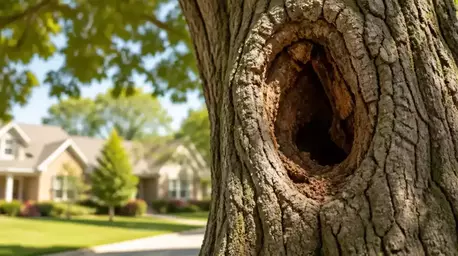
Visual cues such as trunk cracks or dead branches can signal risk. Regular inspections will help catch these issues early.
Storms can have a dramatic effect on the stability and safety of trees, turning our beloved outdoor spaces into potential hazards. With over a decade of experience in the arboriculture industry, I’ve seen how storms can expose weaknesses in trees that often go unnoticed until it’s too late. Let’s dive into the mechanics of storm damage and what you can do to protect your trees!
When strong winds hit, they can cause severe breaks in tree limbs and trunks. Trees that are tall and slender, like pines, are particularly vulnerable to wind-induced damage. The force of the wind can create stress fractures, leading to dangerous breaks that may not be visible until it's too late.
Additionally, even healthy trees can suffer from wind damage if they have poorly attached branches or defects in their structure. I always recommend inspecting your trees for signs of weakness before storm season. By doing this, you can potentially prevent a disastrous situation! For comprehensive advice on keeping your trees safe, check out our tree safety risk prevention tips.
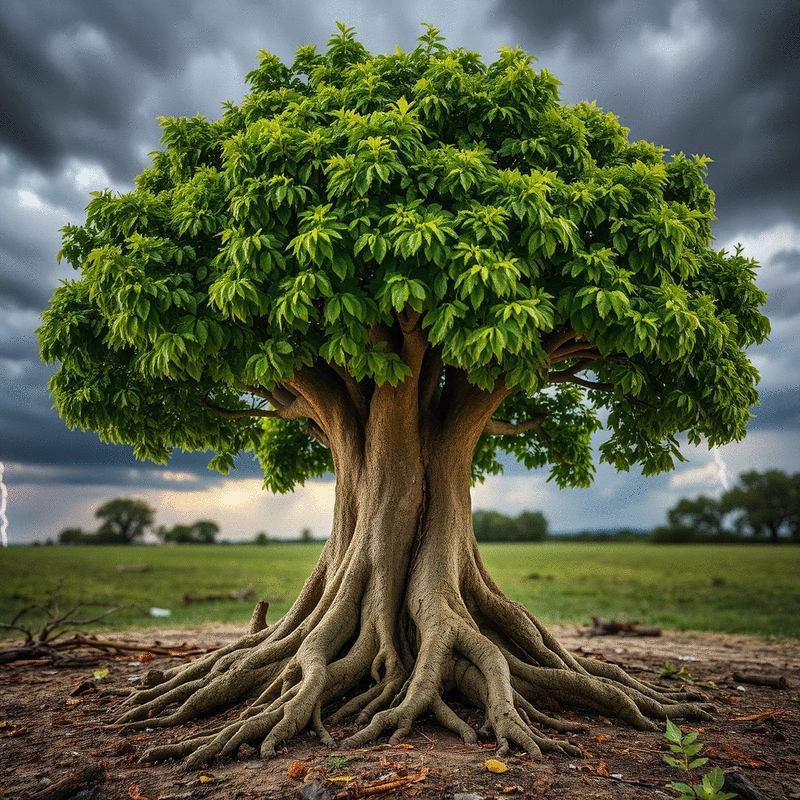
Heavy rain can saturate the soil around a tree, leading to root damage and instability. When the ground becomes overly saturated, roots can lose their grip in the soil, making it easier for strong winds to uproot the tree. It’s essential to monitor rainfall patterns and assess your trees if heavy rain is forecasted.
Uprooting isn't always visible right away. Trees can be compromised by hidden decay in their trunks and roots, which weakens their overall stability. Regular inspections can help uncover these hidden threats before they lead to significant issues.
It's crucial to be aware of signs such as fungal growth on the trunk or roots, which can indicate decay. If you spot these signs, it may be time to call in a professional from Safe Canopy Care to assess the situation further. For more on this, read our article on dangerous trees identification guide.
The intensity of storms can vary greatly, impacting how trees respond. Knowing the types of storms that typically affect your area will help you prepare. For instance, hurricanes produce sustained winds and heavy rainfall, while thunderstorms can bring sudden gusts that may catch trees off guard.
A leaning trunk is one of the first signs that a tree may be in trouble. If you notice your tree leaning more than usual, it’s essential to evaluate its health. Leaning can indicate that the roots are compromised or that the tree is no longer stable in its environment.
Regular assessments can help catch these issues early, allowing you to take necessary actions before a storm strikes. For a comprehensive checklist, see our homeowners storm prep checklist.
Visual indicators such as cracks in the trunk or dead branches can signal that a tree is at risk. These issues often worsen during storms when high winds stress the tree further. I recommend paying attention to these signs, as they can be early warnings of significant problems.
Some trees have natural weaknesses based on their species, making them more vulnerable to storm damage. For instance, willows and birches can be more prone to uprooting due to shallow root systems. Additionally, if the roots are exposed because of soil erosion, the tree's stability is at risk.
Being aware of the specific needs and vulnerabilities of your tree species can help you make informed decisions about care and preventative measures. This knowledge is vital when it comes to safeguarding your landscape!
The architecture of a tree’s root system plays a crucial role in its stability. Trees with robust root systems tend to withstand storms better than those with weak or shallow roots. Regularly assessing the health of your tree's roots can help you determine if they can withstand storm conditions.
By understanding these factors, you can better prepare your trees for storms and ensure their safety. At Safe Canopy Care, we’re dedicated to helping homeowners recognize and manage tree risks, allowing you to enjoy your outdoor spaces with peace of mind!
Before storm season approaches, consider implementing a tree care plan that includes deep root watering and fertilization. Healthy trees with robust root systems are more resilient to storm damage. Additionally, consider mulching around the base of your trees to retain moisture and protect roots from temperature fluctuations.
When it comes to protecting our homes and loved ones, understanding tree safety during storms is crucial. At Safe Canopy Care, we believe that a proactive approach can save not only trees but also properties from significant damage. By focusing on both preventative and post-storm measures, we can ensure our outdoor spaces remain safe and inviting, even when the weather turns unpredictable.
Let’s recap the essential strategies that can enhance tree stability and safety. Implementing these practices can help prepare your trees for storm conditions and reduce the risk of damage:
Understanding your specific trees and their needs is essential. Each species has unique traits that influence how they react to storms, making species-specific knowledge critical for effective tree care.
Knowing your tree species can greatly impact how you care for them during storm season. Here are some considerations:
By understanding these characteristics, you can tailor your tree care strategies. Remember, a little knowledge goes a long way in preventing hazards and ensuring your trees stand strong against storms!
Tree safety isn't just an individual concern—it's a community effort! At Safe Canopy Care, we advocate for improved urban forestry practices. Here are some steps communities can take to enhance safety:
Working together improves not only our properties but also our neighborhoods. It's essential to foster awareness and take action collectively to create safer outdoor spaces for everyone.
Look for broken or dangerously hanging branches, leaning trunks, and exposed roots. These signs indicate that your tree may need immediate attention.
Start by visually inspecting for any visible damage. If in doubt, it's always best to consult with a professional arborist for a thorough evaluation to ensure your trees are safe.
Costs can vary widely based on your location and the specific services required. However, investing in professional inspections can often save you money in the long run by preventing potential costly damage.
Some tree species have natural weaknesses such as shallow root systems, brittle wood, or a tendency to develop decay, making them more susceptible to storm damage. Understanding your specific tree species helps in tailored preventative care.
Community involvement is crucial for urban forestry practices. Public education, collaboration with local arborists, and city-wide maintenance programs can significantly enhance overall tree safety and create safer outdoor spaces for everyone.
As we wrap up, I want to emphasize the importance of community education regarding tree safety. It's crucial to empower ourselves and others with the knowledge needed to manage our trees effectively. Here are some initiatives to consider:
Engaging with local arborists is another fantastic way to build a safer environment. Their expertise can guide us on the best practices for caring for our trees. Let’s work together to ensure that our communities are well-prepared for whatever storms may come our way!
Here is a quick recap of the important points discussed in the article:
Evelyn Hartman is a dedicated tree safety expert with over a decade of experience in the arboriculture industry. With a passion for protecting homes and properties, Evelyn specializes in proactive tree safety measures, storm preparedness, and emergency response. She is committed to educating homeowners about the importance of tree care and risk prevention, ensuring that families can enjoy their outdoor spaces with peace of mind.