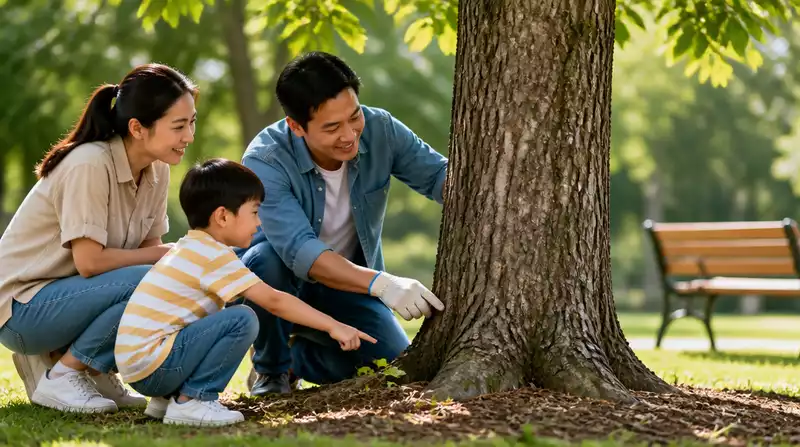
Community Tree Inspections
Regular inspections help identify hazardous trees and mitigate risks, fostering a safer environment.
Have you ever considered how the trees in your community can impact both safety and well-being? Trees provide beauty and benefits, yet they can also pose risks if not properly managed. Understanding tree safety and fostering community awareness can transform our neighborhoods into safer and more vibrant spaces.
Educating communities about tree safety can lead to significant enhancements in public safety. Below is a visual representation of key proactive measures and their expected outcomes. For a comprehensive guide on managing potential hazards, consider exploring long-term tree risk management tips.
Regular inspections help identify hazardous trees and mitigate risks, fostering a safer environment.
Workshops empower residents with knowledge on tree health and safety, promoting collective responsibility.
Community involvement in tree care fosters neighborly relationships and enhances local environments.
Providing resources such as checklists and guides helps homeowners manage tree safety effectively.
When it comes to maintaining a safe environment, community awareness plays a crucial role in tree safety. Trees are not only beautiful parts of our landscape, but they also provide several benefits such as shade, environmental protection, and habitat for wildlife. However, it's essential that we recognize the potential risks that trees can pose, especially in residential areas. By fostering a community understanding of tree safety, we can work together to identify and mitigate hazards before they lead to emergencies.
Moreover, promoting tree safety awareness encourages residents to take an active role in caring for their local environment. Imagine your neighborhood thriving with healthy trees that enhance property values while minimizing risks! This collective responsibility creates a supportive atmosphere where everyone feels empowered to look out for each other and their surroundings.
Tree safety refers to the practices and measures taken to ensure that trees do not pose a risk to people, property, or infrastructure. In our communities, this means educating homeowners about the signs of hazardous trees and the importance of regular inspections. As a tree safety expert, I often emphasize the need for proactive measures that protect not just individual homes but families as a whole. Learn more about hazardous tree warning signs to keep your property safe.
When community members are informed about tree safety, they can:
This shared knowledge leads to a safer environment where everyone can enjoy the beauty of trees without fear of accidents or damages!
One of the best ways to ensure tree safety in the community is through regular tree risk assessments. These assessments help identify any trees that may pose a threat due to structural weaknesses, decay, or other issues. By addressing these risks early, we can significantly reduce the chances of tree-related accidents, especially during stormy weather.
It's a good practice for communities to establish a routine for conducting these assessments. Residents can:
Being proactive about tree risk assessments not only protects individuals but also strengthens the community as a whole. After all, a well-informed community is a safer community!
Tree risk assessment standards are set to create a benchmark for evaluating the safety of trees in various environments. These standards ensure that assessments are conducted systematically and comprehensively. Organizations like the International Society of Arboriculture provide guidelines on how to evaluate tree health, structural stability, and risk factors.
By adhering to these standards, communities can:
As a passionate advocate for tree safety, I believe that the more we understand these standards, the better we can protect our neighborhoods and the lives of those within them.
The National Tree Safety Organization (NTSO) plays a pivotal role in promoting tree safety across the United States. Through their initiatives, they provide resources, training, and guidelines tailored to help communities recognize and manage tree hazards effectively. Their commitment to safety reflects a broader goal to cultivate a culture of awareness and education regarding tree care.
By collaborating with the NTSO, communities can:
It's exciting to see how such organizations can foster collaboration among residents, tree care professionals, and local governments, ultimately enhancing the safety of our shared spaces!
Effective tree care practices are essential for ensuring the long-term health and safety of trees within our communities. By implementing these practices, we can support not only the trees but also the well-being of everyone who enjoys their benefits. Let's dive into some best practices for tree care!
Did you know? Regularly engaging with your community about tree safety not only fosters awareness but can also lead to increased property values. By hosting tree care events and sharing knowledge, you cultivate a sense of pride and responsibility among residents, making your neighborhood a safer and more desirable place to live.
When it comes to tree safety, many questions often arise in our minds. Each community has unique needs and challenges, so it’s essential to address common queries. In this section, I’ll share some frequently asked questions that I encounter in my work at Safe Canopy Care, aimed at enhancing tree safety awareness among residents.
Regular inspections are vital for maintaining tree safety in any community. I recommend that trees be inspected at least once a year. However, certain factors may warrant more frequent checks, such as:
By keeping an eye on these factors, communities can stay ahead of potential hazards, ensuring a safer environment for everyone!
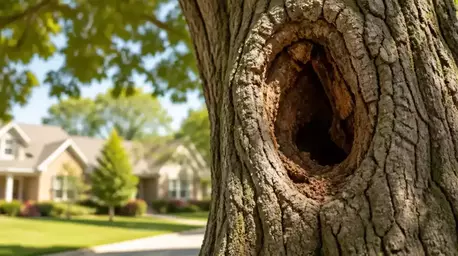
Identifying hazardous trees is crucial for community safety. Here are some key signs to watch for:
Being vigilant about these signs can help prevent accidents and keep our community safe. Remember, it's always best to consult a certified arborist if you suspect a tree is hazardous! For more detailed information on preventing risks, read our guide on tree risk reduction strategies explained.
Certified arborists play a crucial role in ensuring tree safety in our neighborhoods. Here’s how they can make a difference:
Working alongside certified arborists not only enhances tree safety but also fosters a culture of knowledge and respect for our green spaces. Trust me, it’s a worthwhile investment for the safety of everyone in the community!
While tree safety is a shared responsibility, communities can take proactive steps to foster awareness and action. It’s about creating a culture where we all play a part in caring for our trees and, by extension, each other.
Education is key to effective tree safety. Encouraging community members to learn about tree care can have lasting benefits. Here are a few strategies to promote ongoing education:
By spreading awareness, we empower residents to take action in maintaining tree safety in our neighborhoods. Each small step counts!
Building a culture of safety involves collective efforts. Here are some ways to promote stewardship among community members:
At Safe Canopy Care, I believe that together we can create a community that prioritizes tree safety and environmental responsibility!
Community workshops and education programs provide various benefits that extend beyond just tree safety. These include:
With the right education and resources, we can develop a community that takes pride in its trees and ensures the safety of everyone who enjoys them. Let’s work together to nurture our green spaces and protect our homes! For more tips on how to protect your home from trees, explore our detailed guide.
Here is a quick recap of the important points discussed in the article:
Evelyn Hartman is a dedicated tree safety expert with over a decade of experience in the arboriculture industry. With a passion for protecting homes and properties, Evelyn specializes in proactive tree safety measures, storm preparedness, and emergency response. She is committed to educating homeowners about the importance of tree care and risk prevention, ensuring that families can enjoy their outdoor spaces with peace of mind.