Safety
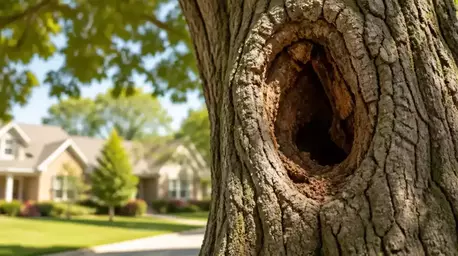
Reduces the likelihood of tree-related accidents.
In a world where tree-related incidents can lead to significant safety hazards and property damage, understanding tree risk management is more important than ever. By implementing proactive strategies, you not only ensure a safer environment but also enhance the beauty and value of your property.
Investing in tree risk management yields significant advantages for homeowners and the environment. Learning about long-term tree risk management tips can help you protect your property and ensure the health of your trees for years to come.
Reduces the likelihood of tree-related accidents.
Well-maintained trees increase curb appeal and overall worth.
Healthy trees contribute to cleaner air and improved biodiversity.
Catching issues early can save time and money.
Regular checks ensure trees remain safe for your property and family.
Ongoing assessments promote healthier trees that last longer.
Tree risk management is crucial for ensuring safety, protecting property values, and maintaining environmental quality. As an arboriculture expert with years of experience at Safe Canopy Care, I’ve seen how proactive tree management can make a significant difference in preventing costly damages and hazards. By addressing tree risks early, homeowners can protect their loved ones and enhance their property’s appeal!
Investing in tree risk management offers several benefits:
To effectively manage tree risks, it’s essential to understand some key terms. First, tree hazard mitigation refers to the processes and actions taken to reduce the likelihood of tree-related accidents. This can include everything from pruning to removal. Second, preventive maintenance encompasses regular inspections and upkeep that ensure trees remain healthy and stable. Understanding assessing tree health and safety is a core component of this preventive approach.
These terms lay the groundwork for a solid tree risk management strategy, allowing homeowners and property managers to implement effective practices that keep their environments safe. By familiarizing ourselves with these concepts, we can better appreciate the importance of tree care and how it influences our everyday lives!
Routine tree assessments are the backbone of effective tree risk management. By staying proactive, we can identify potential hazards before they escalate. Regular inspections help spot problems such as signs of decay, structural weaknesses, or invasive pests!
Here’s why you should prioritize regular assessments:
Tree health assessments focus on the overall vitality of a tree by examining leaves, bark, and roots. In contrast, structural assessments evaluate the tree’s physical stability. Both are vital in identifying risks associated with tree failure! For more detailed guidance, consider reviewing hazardous tree warning signs.
To effectively assess tree health and structure, consider the following:
Pruning is an essential technique for enhancing tree health and minimizing potential risks. By removing dead or overgrown branches, you can encourage better airflow and light penetration, making trees healthier overall.
Here are some effective pruning techniques to keep in mind:
Cabling and bracing techniques provide extra support to trees that show signs of structural weaknesses. By using these methods, you can enhance a tree’s stability while minimizing risks of failure during storms or high winds!
Some benefits of using cabling and bracing include:
At Safe Canopy Care, we’re committed to helping you understand and implement these proactive maintenance techniques so you can enjoy your outdoor spaces with confidence!
Did you know? Regularly documenting the condition and maintenance history of your trees can significantly enhance your tree risk management strategy. By keeping a comprehensive log, you can track changes over time and make informed decisions about future care and interventions. This proactive approach not only helps in identifying patterns but also assists in communicating effectively with arborists and property managers.
Implementing long-term strategies for tree risk reduction provides numerous benefits for homeowners and property managers alike. One significant advantage is the enhanced safety of your property. By addressing potential hazards before they escalate, you can protect your family and home from unforeseen disasters.
Additionally, investing in proactive tree care can increase property values. Well-maintained trees add aesthetic appeal and improve the overall quality of the environment, making your home more attractive to potential buyers. Furthermore, these strategies contribute to a healthier ecosystem, supporting wildlife and enhancing air quality.
Climate change significantly affects tree health and the associated risks we face as stewards of our landscapes. Changes in temperature and precipitation patterns can stress trees, making them more susceptible to diseases and pests. This can lead to a higher likelihood of tree failure, particularly during severe weather events.
Moreover, understanding how climate shifts affect local ecosystems is crucial. For example, trees may need to adapt to new soil conditions or face competition from invasive species. By staying aware of these changes, we can adjust our tree management practices to mitigate risks effectively.
Having an emergency response plan is vital in tree risk management. This plan should outline steps to take during a storm or after a tree-related incident, ensuring that you and your family remain safe. By preparing ahead of time, you'll feel more confident facing unexpected challenges. To learn more about how to prepare, check out our guide on preparing trees for storm season.
Incorporating drills and communication strategies into your emergency plan can make a significant difference in how effectively you respond to tree failures. Additionally, knowing the contact information for local arborists or tree care services, like Safe Canopy Care, can expedite the process of addressing tree-related issues.
Here are some frequently asked questions about tree risk management:
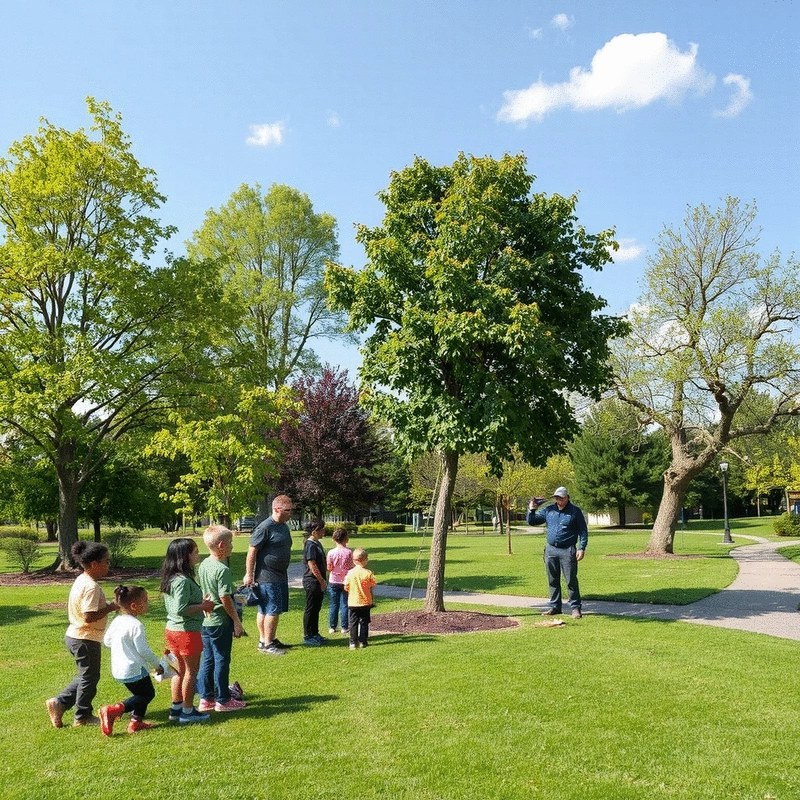
In conclusion, effective long-term strategies for tree risk reduction focus on proactive maintenance, routine assessments, and community involvement. Investing in tree care not only protects your property but also enhances the overall environment. Remember, trees are important assets that need attention and planning for sustainable health.
As a property manager or homeowner, take action today by assessing the trees on your property. Consider reaching out to Safe Canopy Care for guidance or enrolling in our Tree Safety Masterclass to deepen your understanding. Together, we can create safer outdoor spaces and foster a culture of preparedness in our communities. Don’t wait for the next storm—start planning now! Utilizing a tree service directory can be a great first step to find qualified professionals.
Here is a quick recap of the important points discussed in the article:
Evelyn Hartman is a dedicated tree safety expert with over a decade of experience in the arboriculture industry. With a passion for protecting homes and properties, Evelyn specializes in proactive tree safety measures, storm preparedness, and emergency response. She is committed to educating homeowners about the importance of tree care and risk prevention, ensuring that families can enjoy their outdoor spaces with peace of mind.