Tree Risk Assessment Before Storms
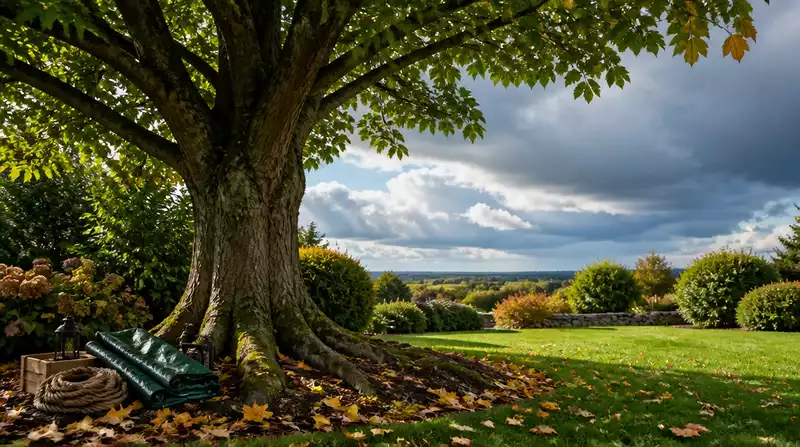
As storms become increasingly unpredictable, the safety of your property and loved ones hangs in the balance. Understanding how to assess tree risks is not just a precaution—it's a necessity for every homeowner. A proactive approach can safeguard your home and provide peace of mind when severe weather approaches.
What You Will Learn
- The importance of conducting a thorough tree risk assessment before storms to identify potential hazards.
- Key visual signs of tree hazards, including dead limbs, cracks, and signs of decay.
- How to perform a self-assessment of tree health, focusing on structure and soil stability.
- When to consult a certified arborist for professional help with high-risk trees or complex issues.
- Preventive actions such as pruning and cabling that can mitigate risks before storms hit.
- Techniques for post-storm tree assessments, including evaluating damage and deciding between pruning or removal.
- Advanced imaging techniques that provide deeper insights into tree health after storms.
Key Indicators of Tree Risk and Mitigation Strategies
Understanding the indicators of tree risk and corresponding strategies for mitigation can help ensure safety during storms. Below is a visual representation of these key indicators and their related actions. For more comprehensive insights into maintaining tree health and safety, consider reviewing long-term tree risk management tips.
Visual Signs of Tree Hazard
- Dead or dying limbs
- Cracks in the trunk
- Decay or fungal growth
Structural Weaknesses
- Leaning trunks
- Root heaving
- Weak branch unions
Mitigation Strategies
- Regular pruning of weak branches
- Cabling or bracing for support
- Clearing nearby objects
Emergency Preparedness Actions
- Assessing tree damage post-storm
- Consulting a certified arborist
- Implementing a risk rating framework
Understanding Tree Risk Assessment Before Storms
As a tree safety expert, I can't stress enough how important it is to conduct a thorough tree risk assessment before storms hit. By identifying potential hazards, you can protect your property and your loved ones from the dangers posed by unsafe trees. Assessing trees proactively not only helps in preventing damage but also gives you peace of mind when severe weather approaches!
Importance of Pre-Storm Tree Risk Assessment
The need for a pre-storm tree risk assessment can’t be overstated. This simple process can help you identify weak or hazardous trees that could pose a threat during a storm. By understanding the risks, you can take necessary actions to mitigate potential damage.
When storms approach, winds can exceed 50 miles per hour, turning even small branches into dangerous projectiles. An assessment before these conditions arise is crucial for ensuring safety. Imagine standing in your yard, knowing you've taken the right steps to protect your family and property—it’s a comforting thought! To learn more about proactive measures, check out our guide on preparing trees for storm season.
- Identifies potential tree hazards
- Enables proactive risk mitigation
- Enhances overall safety for your property
Key Indicators of Tree Risk
It's vital to recognize the key indicators of tree risk, as they can reveal underlying problems that might not be immediately visible. Look for visual signs of tree hazard that could suggest decay or structural weakness. Knowing what to watch for can make all the difference!
Visual Signs of Tree Hazard
When assessing your trees, there are several visual signs that may indicate a hazard:
- Dead or dying limbs: These branches are often brittle and can break easily.
- Cracks in the trunk: Deep cracks can indicate internal decay and weakness.
- Decay or fungal growth: Mushrooms at the base or along the trunk can signify rot.
Spotting these signs early allows you to take appropriate action before a storm hits. Don’t overlook them—they can mean the difference between safety and disaster!
Structural Weaknesses to Watch For
In addition to visual signs, be on the lookout for structural weaknesses that can compromise a tree’s stability:
- Leaning trunks: Trees that lean excessively may be at risk of toppling.
- Root heaving: Exposed roots can indicate instability, especially in high winds.
- Weak branch unions: Branches growing at sharp angles may not be strong and can break easily.
Identifying these weaknesses is crucial for maintaining tree safety. If you see any of these issues, it's time to consider taking action!
Steps for Conducting a Self-Assessment
Conducting a self-assessment can be straightforward if you prepare correctly. Here’s how to get started with a tree inspection to help you identify hazards before a storm.
Preparing for the Assessment
Before you begin, gather the right tools and choose the best time for your inspection. Here’s what you’ll need:
- Tools: A sturdy ladder, binoculars, and a notepad for documenting findings.
- Ideal Conditions: Conduct your assessment on a clear day with no wind, allowing you to see better.
Being well-prepared will ensure you can perform a thorough and effective assessment!
Performing a Visual Inspection
Now that you're prepared, let’s walk through how to assess your trees:
- Start at the base: Look for visible signs of decay or rot.
- Examine the trunk: Check for cracks, holes, or unusual growth.
- Inspect the branches: Ensure they’re healthy and properly attached.
- Take notes: Document any issues for future reference.
Following these steps will help you gain a clearer understanding of your trees’ health and safety!
Soil Stability and Root System Evaluation
While inspecting the tree, don't forget to evaluate the soil and root system. The condition of the soil can significantly impact a tree's stability:
- Check soil moisture: Soil that is too wet or dry can indicate issues.
- Look for root exposure: This can signal that the tree is at risk of falling.
- Assess the surrounding area: Consider whether nearby structures or powerlines could be impacted.
Understanding the soil and root health will help you make informed decisions about your trees! For further tips on safeguarding your property, explore our article on how to protect your home from trees.
When to Consult a Certified Arborist
Even with a thorough self-assessment, there may be times when it’s best to call in a professional. Knowing when to consult a certified arborist can save you time and hassle.
Recognizing Limitations of Self-Assessment
While self-assessments are helpful, there are certain scenarios where professional guidance is essential:
- High-risk trees: If a tree poses a significant risk to your property or lives, it’s best to consult an arborist.
- Complex issues: Trees with multiple problems may require expert evaluation.
- Emergency situations:00: If you suspect immediate danger, don’t hesitate to call for help.
Don’t hesitate to reach out if you feel uncertain about your assessment. A professional can provide clarity and peace of mind!
Choosing the Right Arborist
Finding a qualified arborist can feel overwhelming, but it doesn’t have to be. Here’s what to look for:
- Certification: Ensure they are certified by a recognized arboriculture organization.
- Experience: Look for someone with a solid track record and good reviews.
- Insurance: Confirm they have liability insurance for your protection.
Choosing the right arborist is crucial for ensuring your trees receive the best care possible!
Mitigation Strategies for Tree Safety
After assessing your trees, it’s important to take action to mitigate risks. Here are some effective strategies to consider:
Preventive Actions Before Storms
Implementing preventive measures can greatly enhance tree safety and minimize potential damage:
- Pruning: Regularly prune dead or weak branches to reduce wind resistance.
- Cabling or bracing: Support weak branches to prevent breakage.
- Removing targets: Clear nearby objects that could be damaged if a tree falls.
Taking these actions now can save you stress later when storms roll in!
Risk Rating Framework for Trees
To better prioritize tree care, consider establishing a risk rating framework:
- High Risk: A tree that poses significant danger to people or property.
- Moderate Risk: A tree with minor issues that may require attention.
- Low Risk: A healthy tree with no visible hazards.
This framework helps you focus your efforts where they’re needed most, ensuring a safer environment!
Emergency Response and Community Engagement
Lastly, community involvement plays a crucial role in storm preparedness and response. Here’s how to engage:
- Education: Share knowledge with neighbors about tree safety and assessments.
- Coordination: Organize local workshops on tree care and storm preparedness.
- Support: Offer help to neighbors in assessing their trees.
Working together strengthens our community’s readiness for storms and enhances overall safety! For more resources on community preparedness, check out our homeowners storm prep checklist.
Quick Summary
Here's a brief recap of the key points discussed so far:
- Conducting a thorough tree risk assessment before storms is crucial for safety.
- Key indicators of tree risk include visual signs of decay, structural weaknesses, and soil stability.
- Self-assessments can be effective, but consulting a certified arborist is recommended for high-risk situations.
Managing Tree Health Post-Storm
After a storm, assessing your trees is crucial for ensuring their health and the safety of your property. Here at Safe Canopy Care, we understand that storm damage can be a significant concern for homeowners. Knowing how to evaluate trees after a storm not only helps in maintaining your landscape but also prevents potential hazards that could impact your home or family.
When inspecting your trees for damage, it's important to take your time and look for specific signs of instability. Start by examining the overall structure and health of each tree. Are there broken branches? Is the trunk leaning? These indicators will guide you in determining your next steps.
Assessing Damage After a Storm
Begin your inspection by following these steps to thoroughly assess your trees:
- Look for broken branches: Check for any limbs that may have snapped during the storm.
- Inspect the trunk: Look for cracks or splits in the bark that may indicate internal damage.
- Check the soil: Ensure that the tree hasn’t heaved or shifted, as this can affect stability.
- Evaluate foliage: Yellowing or wilting leaves can be a sign that the tree is struggling.
Taking notes during your assessment can be helpful for reference later, especially if you decide to consult a professional. If you notice significant damage or instability, it may be time to consider your options.
Deciding Between Pruning and Removal
Once you've assessed the damage, the next step is determining whether to prune or remove the tree. Here are some guidelines to help you make that decision:
- Prune damaged branches: If only a few limbs are affected and the trunk is healthy, pruning may be the best option.
- Remove if unstable: Trees with a severely damaged trunk, significant leaning, or compromised root systems should generally be removed.
- Consider species and health: Some tree types are more resilient than others; evaluate whether the tree can recover.
At Safe Canopy Care, we recommend consulting with a certified arborist if you're unsure. They can provide expert advice tailored to your specific situation, ensuring the best outcomes for your landscape.
Utilizing Advanced Imaging Techniques for Damage Assessments
In today's world, technology offers great tools for evaluating tree health post-storm. Advanced imaging techniques can provide a clearer picture of damage that isn't visible to the naked eye. Here are some methods to consider:
- Ultrasound imaging: This technique helps assess internal decay and structural integrity without damaging the tree.
- Thermal imaging: Useful for detecting moisture levels, which can indicate stress in the tree.
- 3D modeling: Provides a comprehensive view of the tree's structure, helping to identify weaknesses and necessary actions.
These technologies can significantly enhance your assessment capabilities. As a dedicated tree safety expert, I encourage homeowners to look into these options for a more thorough evaluation of their trees after storm events. For detailed guidance on post-storm actions, refer to our post-storm tree safety checklist.
Frequently Asked Questions About Tree Risk Assessment
Can I Assess a Tree Myself Before a Storm?
Absolutely! You can perform a preliminary assessment yourself. Just remember to look for key signs of risk, including dead branches and unhealthy bark. However, it’s important to stay alert to what you might miss, as some problems may require a professional eye.
What are the most common signs of a hazardous tree?
The most common signs of a hazardous tree include dead or dying limbs, visible cracks in the trunk, decay or fungal growth (like mushrooms) at the base or along the trunk, excessive leaning, root heaving, and weak branch unions where branches grow at sharp angles.
How often should I have my trees professionally assessed?
While self-assessments are useful, it is generally recommended to have your trees professionally assessed by a certified arborist every 3-5 years, or more frequently if you notice any warning signs, after a severe storm, or if you have mature trees close to your property.
Is it always necessary to remove a hazardous tree?
Not always. Depending on the severity and type of hazard, a certified arborist might recommend mitigation strategies such as pruning dead or weak branches, cabling or bracing for support, or other treatments. Removal is typically recommended when the tree poses an immediate and significant risk that cannot be safely mitigated.
Should I Prune Before Hurricane Season?
Yes! Pruning your trees before the hurricane season can help reduce the risk of damage during storms. It removes weak branches and promotes healthier growth, making your trees more resilient against high winds. Just remember to follow proper pruning techniques, or consult a professional for guidance!
What are the Safety Standards for Tree Management?
Safety standards for tree management vary by region, but generally include guidelines on tree health assessments, pruning practices, and removal procedures. At Safe Canopy Care, we follow best management practices to ensure trees are cared for responsibly, keeping both safety and aesthetics in mind.
Recap of Key Points
Here is a quick recap of the important points discussed in the article:
- Conduct Pre-Storm Assessments: Regularly evaluate trees for hazards to prevent damage during storms.
- Identify Visual Signs of Risk: Look for dead limbs, trunk cracks, and signs of decay to assess tree health.
- Evaluate Structural Weaknesses: Be aware of leaning trunks, root heaving, and weak branch unions that may indicate instability.
- Prepare for Self-Assessments: Gather necessary tools and choose ideal weather conditions for thorough inspections.
- Engage Professionals When Necessary: Consult a certified arborist for high-risk trees or complex issues that need expert evaluation.
- Implement Mitigation Strategies: Prune, brace weak branches, and remove nearby targets to enhance tree safety before storms.
- Post-Storm Assessments: Check for broken branches, trunk stability, and foliage health to determine necessary actions.
- Utilize Technology: Consider advanced imaging techniques for in-depth assessments of tree health.

Evelyn Hartman
Evelyn Hartman is a dedicated tree safety expert with over a decade of experience in the arboriculture industry. With a passion for protecting homes and properties, Evelyn specializes in proactive tree safety measures, storm preparedness, and emergency response. She is committed to educating homeowners about the importance of tree care and risk prevention, ensuring that families can enjoy their outdoor spaces with peace of mind.
Popular Posts
Tree Risk Management for Outbuildings
![Tree Risk Management for Outbuildings]() ##
Have you ever considered how the trees around your property could impact the safety of your outbu
##
Have you ever considered how the trees around your property could impact the safety of your outbu
 ##
Have you ever considered how the trees around your property could impact the safety of your outbu
##
Have you ever considered how the trees around your property could impact the safety of your outbu
Tree Cavities and Structural Safety
![Tree Cavities and Structural Safety]() Have you ever wondered how the health of a tree can directly impact your property’s safety? Unders
Have you ever wondered how the health of a tree can directly impact your property’s safety? Unders
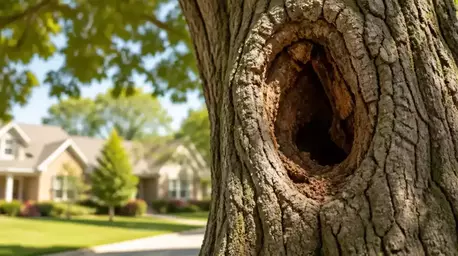 Have you ever wondered how the health of a tree can directly impact your property’s safety? Unders
Inspecting Tree Canopies for Safety
![Inspecting Tree Canopies for Safety]() As severe weather approaches, the safety of your property hangs in the balance. By understanding the
As severe weather approaches, the safety of your property hangs in the balance. By understanding the
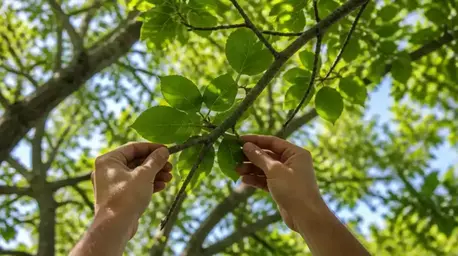 As severe weather approaches, the safety of your property hangs in the balance. By understanding the
Tree Safety Tips for Driveways
![Tree Safety Tips for Driveways]() Ensuring the safety of your home extends beyond its walls, particularly when it comes to the trees s
Ensuring the safety of your home extends beyond its walls, particularly when it comes to the trees s
 Ensuring the safety of your home extends beyond its walls, particularly when it comes to the trees s
