Tree Safety Tips for Storms
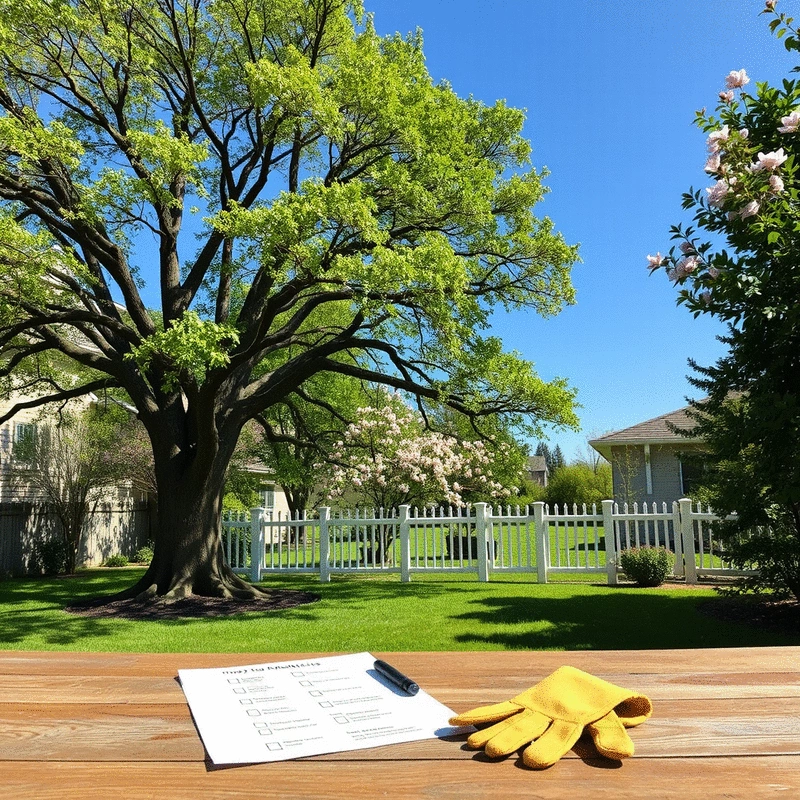
As storm seasons approach, it’s vital to prioritize tree safety in our preparedness plans. Trees that are healthy and well-maintained can significantly reduce risks to homes and families during severe weather. Embracing proactive measures can protect both properties and communities, making tree safety an essential aspect of storm readiness.
Key Takeaways
- Regular inspections of trees can identify potential hazards, such as weak branches, reducing the risk of property damage during storms.
- Healthy trees can serve as effective windbreaks, providing crucial protection for homes against strong winds.
- Understanding local storm seasons helps in tailoring tree care strategies to mitigate specific risks associated with hurricanes, winter storms, and tornadoes.
- Engaging with organizations like the National Weather Service and FEMA can enhance community preparedness and promote tree safety initiatives.
- Recognizing signs of tree health issues, such as cracks, excessive leaf drop, and unusual growths, is essential for timely intervention and maintenance.
- Hiring certified arborists for professional assessments ensures that tree health and stability are evaluated accurately, reducing risks to properties.
- Proactive tree care not only protects your home but also contributes to the resilience of the community as a whole.
Impact of Storm Seasons on Tree Safety
Understanding how various storm seasons affect tree safety is crucial for proper preparedness. Below is a visual representation of the impacts during different storm seasons.
Hurricane Season
High winds and heavy rain can uproot or snap trees, causing significant damage to homes and power lines.
Winter Storms
Ice buildup on branches can lead to breakage. Regular maintenance can help mitigate this risk.
Spring Storms
Tornadoes can uproot even the strongest trees, emphasizing the importance of having a sound storm plan.
Assessment Techniques
Regular inspections can identify weak branches and hazards that might break during storms.
Understanding the Importance of Tree Safety for Storm Preparedness
When we think about storm preparedness, tree safety often takes a backseat in our minds. However, it’s crucial to recognize that proper tree care can significantly reduce risks during storm events. With an understanding of tree health, we can ensure our homes and families remain safe even when the weather turns severe. As a tree safety expert at Safe Canopy Care, I’ve seen firsthand how proactive measures can protect properties from potential damage, a key aspect of long-term tree risk management.
Why Tree Safety Matters Before Storms
Tree safety is essential for several reasons, especially before a storm strikes. First, healthy trees are less likely to succumb to strong winds and heavy rain, which means they pose less risk to nearby structures. Second, by assessing and addressing any potential hazards, we can prevent costly damage to our properties and safeguard our loved ones. Consider the following points when reflecting on the importance of tree safety:
- Preventing Damage: Regular inspections can identify weak branches and other hazards that might break during storms.
- Reducing Risks: Healthy trees can act as windbreaks, helping to shield your home from strong gusts.
- Peace of Mind: Knowing your trees are well-maintained allows you to focus on enjoying your outdoor space rather than worrying about potential dangers.
As storms approach, it's not just about the wind speed; understanding how your trees will react to these conditions is critical. For example, a seemingly strong tree can have hidden weaknesses that may lead to its downfall. This is why I always encourage homeowners to take a close look at their trees before the storm season hits! For more in-depth guidance, consider reviewing preparing trees for storm season.
Common Storm Seasons and Their Impacts on Trees
Every region experiences its own storm seasons. For instance, areas prone to hurricanes face unique threats, while those in the Midwest may deal with tornadoes and high winds. Regardless of the type of storm, trees are often at risk. Here’s a quick overview of how different seasons can impact tree safety:
- Hurricane Season: High winds and heavy rain can uproot or snap trees, causing significant damage to homes and power lines.
- Winter Storms: Ice buildup on branches can lead to breakage. Regular maintenance can help mitigate this risk.
- Spring Storms: Tornadoes can uproot even the strongest trees, emphasizing the importance of having a sound storm plan.
Staying informed about the storm patterns in your area is essential. At Safe Canopy Care, I often remind clients that by understanding the typical weather challenges we face, we can prepare our properties more effectively. Preparing your trees for these events can make all the difference, ensuring your home remains a safe haven when severe weather strikes!
Role of Organizations in Tree Safety
Tree safety doesn't just fall on individual homeowners. Various organizations play a vital role in promoting tree care and storm preparedness. By leveraging their resources, we can enhance our understanding of tree health and improve our community's resilience against storms.
National Weather Service and Storm Preparedness Guidelines
The National Weather Service (NWS) provides crucial guidelines that help us stay informed about impending storms. By following their updates, we can better prepare for the impacts on our trees. Here are some key resources offered by the NWS:
- Weather Alerts: Stay updated on severe weather warnings and watches.
- Preparedness Resources: Access checklists and tips for securing your property.
- Educational Materials: Learn about the effects of storms on trees and how to protect them.
By integrating these resources into our storm preparedness plans, we can enhance our overall safety and readiness, protecting both our properties and families.
FEMA and Emergency Management Organizations: Community Preparedness Plans
FEMA works tirelessly to support communities in their storm preparedness efforts. They provide funding and resources for local emergency management organizations to develop robust community preparedness plans.
- Preparedness Training: Many local programs offer training on tree safety and storm preparedness.
- Grants and Funding: FEMA assists communities in securing funds for tree maintenance and safety programs.
- Collaboration: Partnering with local agencies ensures a comprehensive approach to storm readiness.
Through these initiatives, we can foster a culture of safety in our communities, making tree care a shared responsibility. At Safe Canopy Care, I believe that when we work together, we can mitigate the risks that storms pose to our properties.
American Forests and Urban Forestry Programs
American Forests is a national organization dedicated to the conservation of forests, which play a significant role in urban environments. Their urban forestry programs focus on maintaining healthy trees in city areas, benefiting residents and the ecosystem alike.
- Tree Planting Initiatives: Promoting the planting of healthy trees that can withstand storms.
- Community Workshops: Teaching residents how to care for trees and prepare for storm impacts.
- Research and Development: Providing data on tree species best suited for urban resilience.
By engaging with these programs, homeowners can enhance their tree safety knowledge and contribute to a greener, safer community.
International Society of Arboriculture and Tree Care Standards
The International Society of Arboriculture (ISA) sets the standards for tree care, ensuring that homeowners have access to the best practices and guidance. Their commitment to tree safety is reflected in their educational resources and certification programs.
- Certification Programs: Ensuring arborists meet high standards in tree care.
- Research Publications: Sharing the latest findings on tree health and safety.
- Community Outreach: Promoting awareness of tree care and safety measures.
By relying on certified professionals and organizations like the ISA, homeowners can make well-informed decisions that ultimately protect their properties. Remember, investing in tree care is not just a task; it’s a commitment to safety and longevity for your home, and finding the right professionals can be simpler by using a tree service directory.
Pro Tip
Did you know? Regularly pruning your trees can significantly enhance their resilience against storms. By removing dead or weak branches, you not only improve the tree's overall health but also reduce the risk of falling debris during high winds. Aim to schedule a professional pruning session at least once a year, ideally before storm season hits!
Thorough Tree Inspection and Assessment Techniques
When it comes to protecting your property, a thorough tree inspection is key. At Safe Canopy Care, I often emphasize the importance of understanding the signs of tree health issues. By being proactive in assessing your trees, you can identify potential problems before they escalate into costly emergencies. Remember, a little attention can go a long way in safeguarding your home and family!
One of the first steps in a tree inspection is to look for visible signs of decay and disease. These can include discoloration, unusual growths, or premature leaf drop. Identifying these symptoms early allows for timely intervention, which can prolong the life of your trees and maintain their safety during storm seasons.
Identifying Signs of Tree Health Issues
Understanding how to identify signs of tree health issues is crucial. Here are some common signs to look for:
- Cracks or splitting in the trunk
- Excessive leaf drop or stunted growth
- Fungal growth or unusual bark texture
- Dead branches or a thinning canopy
If you notice any of these signs, don’t hesitate to reach out for a professional assessment. I always recommend that homeowners take a closer look, especially if storms are on the horizon.
Detecting Decay, Disease, and Structural Risks
When assessing a tree for decay or disease, it’s important to look beyond the surface. A closer examination can reveal hidden risks. Here are a few techniques you can use:
- Check for soft spots on the trunk or limbs.
- Look at the roots for signs of rotting or damage.
- Observe the overall structure to ensure stability.
Being aware of these risks allows you to make informed decisions about whether to prune, treat, or even remove a tree. Every property is unique, and I believe that a tailored approach to tree care is critical to ensuring safety. For identifying potential dangers, see our guide on dangerous trees identification.
Assessing Tree Stability for Storm Readiness
To assess a tree's stability, consider using the following methods:
- Conduct a visual inspection of the root zone and trunk.
- Check if the tree leans significantly to one side.
- Evaluate the health of surrounding trees, as they can impact each other's stability.
Evaluating these aspects can help you determine if your trees are ready to withstand storms. Knowing their strengths and vulnerabilities gives you peace of mind. After all, the last thing we want is to worry about our trees when severe weather strikes!
Tree Risk Assessment and Hazardous Tree Identification
Performing a comprehensive tree risk assessment is vital for identifying hazardous trees. I always suggest asking yourself these key questions:
- Does the tree pose a risk to property or people?
- Are there signs of decay, disease, or structural weakness?
- How does this tree compare to others in the area?
If any of these factors raise red flags, it may be time to consult with a certified arborist. They have the expertise to navigate the complexities of tree health assessments and will provide you with actionable recommendations. For more information, check out hazardous tree warning signs.
Role of Certified Arborists in Tree Health Assessment
Certified arborists play a crucial role in ensuring the health and safety of trees. When you enlist their expertise, here’s what you can expect:
- Thorough inspections of tree health and structure.
- Expert recommendations on maintenance and care.
- Guidance on risk management specific to your property.
At Safe Canopy Care, I always encourage homeowners to consider hiring a certified arborist for their tree assessment needs. Their insights can save you time, money, and ultimately, keep your loved ones safe. Remember, being proactive in tree care is the best way to enjoy your outdoor spaces worry-free!
Frequently Asked Questions (FAQs)
- Q: Why is tree safety important for storm preparedness?
- A: Tree safety is crucial because healthy, well-maintained trees are less likely to fall during strong winds and heavy rains, preventing significant damage to homes and properties, and protecting families.
- Q: What are the impacts of different storm seasons on trees?
- A: Hurricane season brings high winds and heavy rain that can uproot trees. Winter storms cause ice buildup leading to branch breakage. Spring storms, with tornadoes, can uproot even the strongest trees.
- Q: How can I identify potential tree health issues?
- A: Look for visible signs such as cracks or splitting in the trunk, excessive leaf drop, stunted growth, fungal growth, unusual bark texture, dead branches, or a thinning canopy. These can indicate decay, disease, or structural weakness.
- Q: What role do organizations like the National Weather Service and FEMA play in tree safety?
- A: The National Weather Service provides crucial weather alerts and preparedness guidelines. FEMA supports communities with funding and resources for emergency management plans, fostering a culture of safety and resilience against storms.
- Q: When should I hire a certified arborist?
- A: You should hire a certified arborist for thorough inspections, expert recommendations on maintenance, and guidance on risk management, especially if you notice signs of decay, disease, or structural weakness in your trees, or before storm season hits.
Recap of Key Points
Here is a quick recap of the important points discussed in the article:
- Tree Health Matters: Healthy trees are less likely to fall victim to storms, reducing risks to nearby structures.
- Regular Inspections: Conducting frequent tree inspections helps identify weak branches and potential hazards that could lead to damage during storms.
- Seasonal Awareness: Different storm seasons pose unique threats to trees; understanding these can aid in better preparedness.
- Utilizing Resources: Engage with organizations like the National Weather Service, FEMA, and the International Society of Arboriculture for guidance and support in tree safety.
- Professional Assistance: Hiring certified arborists for thorough tree assessments can provide expert recommendations and enhance safety measures.
- Proactive Measures: Regular maintenance and timely interventions can prolong tree life and ensure safety during severe weather events.

Evelyn Hartman
Evelyn Hartman is a dedicated tree safety expert with over a decade of experience in the arboriculture industry. With a passion for protecting homes and properties, Evelyn specializes in proactive tree safety measures, storm preparedness, and emergency response. She is committed to educating homeowners about the importance of tree care and risk prevention, ensuring that families can enjoy their outdoor spaces with peace of mind.
Popular Posts
Tree Risk Management for Outbuildings
![Tree Risk Management for Outbuildings]() ##
Have you ever considered how the trees around your property could impact the safety of your outbu
##
Have you ever considered how the trees around your property could impact the safety of your outbu
 ##
Have you ever considered how the trees around your property could impact the safety of your outbu
##
Have you ever considered how the trees around your property could impact the safety of your outbu
Tree Cavities and Structural Safety
![Tree Cavities and Structural Safety]() Have you ever wondered how the health of a tree can directly impact your property’s safety? Unders
Have you ever wondered how the health of a tree can directly impact your property’s safety? Unders
 Have you ever wondered how the health of a tree can directly impact your property’s safety? Unders
Inspecting Tree Canopies for Safety
![Inspecting Tree Canopies for Safety]() As severe weather approaches, the safety of your property hangs in the balance. By understanding the
As severe weather approaches, the safety of your property hangs in the balance. By understanding the
 As severe weather approaches, the safety of your property hangs in the balance. By understanding the
Tree Safety Tips for Driveways
![Tree Safety Tips for Driveways]() Ensuring the safety of your home extends beyond its walls, particularly when it comes to the trees s
Ensuring the safety of your home extends beyond its walls, particularly when it comes to the trees s
 Ensuring the safety of your home extends beyond its walls, particularly when it comes to the trees s
