Species Type
Certain trees, like oaks and pines, may handle storms better than others.
In storm-prone regions, the right tree care techniques can be the difference between safety and disaster. Effective tree trimming not only beautifies your landscape but also fortifies your property against storm damage. With the right knowledge, every homeowner can take practical steps to enhance their storm resilience.
Understanding the factors that contribute to a tree's vulnerability to storm damage can help in making informed decisions about tree care. Below is a visual representation of the main influences.
Certain trees, like oaks and pines, may handle storms better than others.
Trees in good health are more resilient against strong winds.
A deep and extensive root system provides better anchorage during storms.
This technique minimizes the "sail effect" that trees experience during strong winds.
Have you ever thought about how your trees can play a critical role in protecting your home during storms? Proper tree trimming significantly reduces storm damage and increases resilience, which is especially vital in storm-prone regions like Florida and Georgia. By maintaining healthy trees, you're not just enhancing their beauty; you're also taking proactive measures to safeguard your property from potential hazards.
Tree trimming helps shape the overall structure of your trees, allowing them to withstand strong winds and heavy precipitation. A well-trimmed tree has fewer loose branches that can become dangerous projectiles during a storm. It's essential to recognize that investing in regular tree care can mean the difference between safety and costly damage in severe weather. For more insights on how to prepare your trees, consider these tips for preparing trees for storm season.
Understanding what makes trees vulnerable to storm damage is vital for effective tree care. There are several physiological and structural factors to consider: the tree species, its health, and its growth patterns. For instance, some species have stronger root systems, while others may be more susceptible to breakage under stress.
These factors can guide you in determining which trees to plant and how to care for them, aligning perfectly with my goal at Safe Canopy Care: to educate homeowners about proactive tree safety measures. By understanding these dynamics, you can work towards ensuring that your trees are not just beautiful, but also safe during unpredictable weather events.
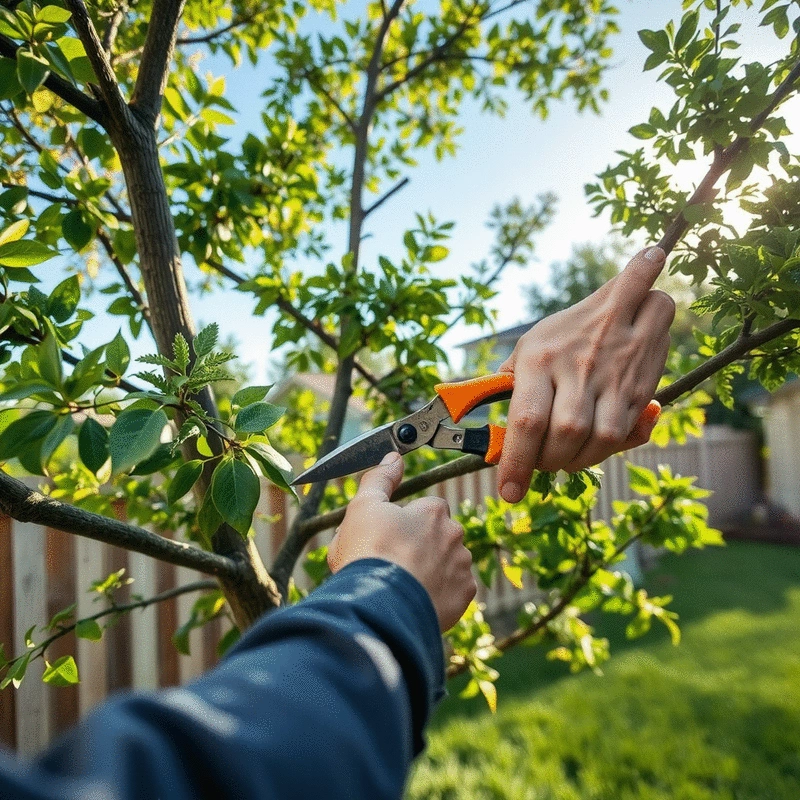
Crown thinning is an essential technique that involves selectively removing branches to reduce the overall weight and density of the tree's canopy. This process minimizes the "sail effect" that trees can experience during strong winds, allowing for better airflow and stability. By strategically thinning the crown, we can help your trees breathe better and stand tall against storm forces.
When I perform crown thinning, I focus on removing weak and crossing branches, which not only enhances wind resistance but also promotes healthier growth. This method keeps your trees looking great while ensuring they are less likely to suffer damage during storms. For comprehensive guidance on maintaining tree safety, explore our tree safety risk prevention tips.
Structural pruning is about shaping the tree to develop a strong framework that can withstand storms. This involves focusing on the tree's primary branches, ensuring they grow at appropriate angles and are adequately spaced. By promoting a balanced structure, you can enhance the overall integrity of the tree, making it more resilient to high winds.
At Safe Canopy Care, I take pride in implementing these methods to not only protect your investment but also to increase your trees' lifespan. Strong trees are happy trees, and with the right care, we can create a safer environment for you and your family!
Lion's tailing occurs when tree branches are trimmed excessively, resulting in a bushy appearance at the ends. This unbalanced growth can create weak branches that are more susceptible to breaking during storms. To avoid this, I always recommend proper crown thinning and maintaining a natural shape.
By steering clear of lion's tailing, you'll not only have healthier trees but also a much more resilient landscape that can weather whatever storms may come your way!
Crown reduction involves carefully lowering the height of a tree by cutting back the outer portion of the branches. This method is beneficial for managing the canopy and ensuring the tree doesn't become too tall or unwieldy. It's also a great way to reduce wind resistance while maintaining the overall health of the tree. For additional information on managing potential risks, consider our long-term tree risk management tips.
Combining these approaches with proper canopy management creates a balanced habitat for your trees. Regular evaluations and adjustments help us stay ahead of potential risks, ensuring that your property remains safe and beautiful through every storm season.
Did you know? Regular tree trimming not only enhances storm resilience but also promotes healthier growth. By removing dead or weak branches, you're allowing your tree to focus its energy on strong, healthy limbs, which can better withstand harsh weather conditions.
As we wrap up our discussion on tree trimming, it's clear that proper techniques can significantly boost a tree's resilience against storms. The methods we explored, including crown thinning and structural pruning, are essential in preparing trees for harsh weather conditions, especially in storm-prone regions like Florida and Georgia. By understanding the importance of tree health and maintenance, homeowners can ensure their properties remain safe and secure.
We also highlighted the significance of regular inspections and effective hazard removal. These proactive measures can help address weaknesses before they lead to severe damage during storms. As a tree safety expert, I can't stress enough how critical it is for homeowners to engage in ongoing tree care practices, ensuring your outdoor spaces are not only beautiful but safe!
If you’re serious about enhancing your storm preparedness, I encourage you to reach out to a professional arborist today. These certified experts can provide tailored assessments and tree care services that align with your specific needs. Here at Safe Canopy Care, we are dedicated to helping homeowners like you safeguard your properties through effective tree management strategies. Don’t wait until the next storm is upon us; it’s time to take action!
To empower yourself further in the journey of tree care and storm preparedness, I’ve compiled a few valuable resources:
By utilizing these resources, you can gain a deeper understanding of tree care, ensuring that your family and property remain safe through every storm. Stay proactive, stay informed, and let’s work together to create a safer environment for our communities!
Here is a quick recap of the important points discussed in the article:
Evelyn Hartman is a dedicated tree safety expert with over a decade of experience in the arboriculture industry. With a passion for protecting homes and properties, Evelyn specializes in proactive tree safety measures, storm preparedness, and emergency response. She is committed to educating homeowners about the importance of tree care and risk prevention, ensuring that families can enjoy their outdoor spaces with peace of mind.