Location
Branches close to structures or power lines pose greater risks during severe weather.
As summer storms approach, the risk of hazardous overhanging branches becomes a pressing concern for homeowners. Understanding the potential dangers and knowing how to assess tree safety is essential for protecting your property and loved ones. Here’s a compilation of insights that can empower you to take action and ensure tree safety around your home.
Identifying the primary elements that make tree branches dangerous is essential for property safety. Below is a visual representation of the key factors associated with hazardous tree branches.
Branches close to structures or power lines pose greater risks during severe weather.
Visible cracks or splits indicate that branches may not withstand high winds or heavy rain.
Conditions like storms, heavy snow, or saturated soil can increase the likelihood of branch failures.
Certain species may have weaker branches or be more susceptible to diseases that can compromise their integrity.
As the summer storms roll in, it’s crucial to pay attention to any potential hazards lurking above us. Dangerous overhanging branches can pose significant risks to both your property and personal safety. While trees can enhance the beauty of our yards, they can also become threats if not properly managed. At Safe Canopy Care, I believe that being proactive about tree safety is key to protecting your home and family.
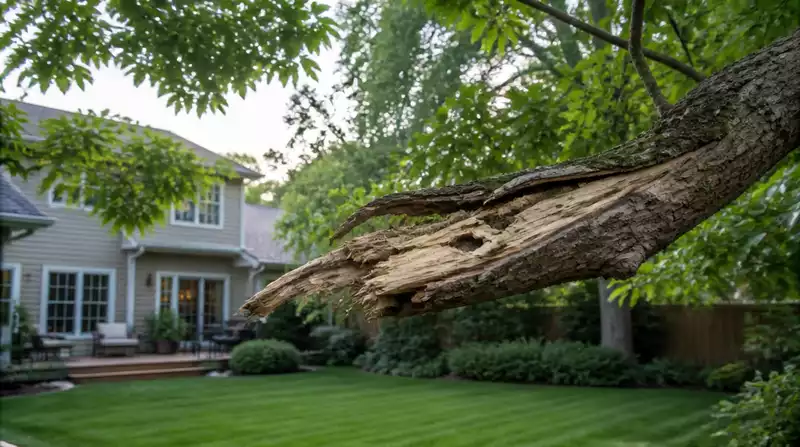
Recognizing the dangers posed by overhanging branches is the first step in safeguarding your property. These branches can break during storms or under the weight of snow, leading to damage to roofs, cars, or even people below. It’s important to actively look for signs that may indicate a branch is unsafe.
By keeping an eye out for these potential dangers, you can make informed decisions about whether to take action or seek help. Remember, your safety and the safety of your loved ones should always come first!
The hazards associated with overhanging branches stem from various factors. This includes their location, structural weaknesses, and environmental influences. A branch positioned over a roof may look harmless but could be a significant risk during strong winds or storms.
Some key factors that contribute to branch hazards are:
Understanding these components allows homeowners to take a proactive approach. If you suspect a branch may be dangerous, it’s best to consult a professional like me for an evaluation. For more information on identifying such hazards, review our guide on hazardous tree warning signs.
Identifying dead or dying branches is crucial for maintaining tree safety. There are several visual indicators that can help you spot these hazardous branches before they become problems:
Regular inspections can help catch these signs early, providing peace of mind for you and your family. Keep an eye on your trees, and don’t hesitate to reach out for help if needed!
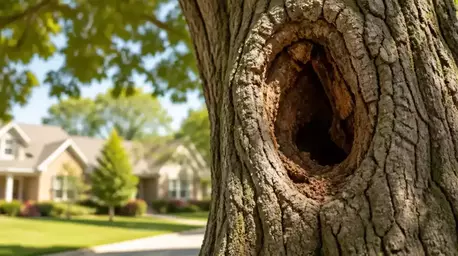
Identifying structural defects can be challenging, but it’s essential to ensure the safety of your property. Here are some signs to watch for:
By becoming familiar with these indicators, you can take decisive action before a branch becomes an emergency situation. Remember, keeping your trees healthy and safe is part of being a responsible homeowner!
Environmental factors play a big role in the safety of tree branches. Things like severe storms, strong winds, and even nearby construction can create hazards. Consider the following:
Understanding how these elements affect your trees will help you make informed decisions about maintenance and care. I encourage everyone to stay vigilant and assess the environment regularly!
Different tree species come with unique characteristics that affect their branch safety. For instance, some trees are naturally more resilient, while others may be more susceptible to breakage. Here's how tree species can impact branch safety:
Knowing the species of your trees can help in developing a tailored care plan and reducing risks. If you’re unsure about your tree's health, reach out to Safe Canopy Care for expert guidance! You can also find more information on assessing tree health and safety in our detailed blog post.
Did you know? Regularly inspecting your trees before and after severe weather can significantly reduce the risk of dangerous branches falling. Consider scheduling seasonal evaluations to ensure the health and safety of your trees. This proactive approach not only protects your property but also enhances the longevity and beauty of your landscape.
At Safe Canopy Care, we believe that knowledge is your best tool for maintaining tree safety. One great way to stay proactive is by creating a personalized risk assessment checklist. This tool can help homeowners like you routinely evaluate the health and safety of your trees, ensuring that potential hazards are identified before they become serious problems.
Designing a field checklist can empower you to monitor your trees effectively. Here’s what to include:
By using this checklist, you can take control of your tree care and ensure that you remain aware of any risks that may arise. Remember, regular checks can save you from unexpected surprises!
When it comes to tree hazards, many homeowners worry about liability and insurance issues. Here's what you should know:
Understanding these factors can help protect you from potential financial liabilities while ensuring your property remains safe for everyone. For detailed guidance on dealing with aftermath, consult our post-storm tree safety checklist.
Preparing for emergencies related to tree hazards is essential for your safety and the safety of your loved ones. Here’s a simple plan to follow:
Being prepared can give you peace of mind and help you respond effectively when tree-related emergencies occur. Remember, a little preparation goes a long way!
Key indicators include branches that are dead or dying (showing leaf loss, brittle wood, peeling bark, or discoloration), those with structural weaknesses (cracks, splits, or weak unions), and branches located too close to structures or power lines. Environmental factors like severe weather also increase risk.
Regular inspections are recommended, especially before and after severe weather events. A personalized risk assessment checklist can help you routinely evaluate tree health and spot potential hazards throughout the year.
Different tree species have unique characteristics affecting branch safety. Factors like growth patterns, wood density (hardwoods are generally sturdier), and susceptibility to diseases can influence a branch's integrity. Knowing your tree species helps in developing a tailored care plan.
If you suspect a branch is dangerous, especially if it's large, near power lines, or shows significant structural weakness, it's best to consult a professional tree care service for an evaluation. For smaller, easily accessible branches, you might be able to trim them yourself using appropriate safety gear.
Many homeowners wonder if they can handle branch trimming on their own. Here are some guidelines:
It’s always better to err on the side of caution. If in doubt, reach out for expert assistance!
Recognizing when a situation is an emergency can be tricky. Here are some indicators to watch for:
Always trust your instincts and seek professional help when you feel unsafe.
Engaging in tree maintenance safely is vital. Here are some essential guidelines to keep in mind:
By following these safety guidelines, you can minimize the risk of accidents while tending to your trees. For comprehensive safety measures, consider exploring stay safe tree care tips.
Here is a quick recap of the important points discussed in the article:
Evelyn Hartman is a dedicated tree safety expert with over a decade of experience in the arboriculture industry. With a passion for protecting homes and properties, Evelyn specializes in proactive tree safety measures, storm preparedness, and emergency response. She is committed to educating homeowners about the importance of tree care and risk prevention, ensuring that families can enjoy their outdoor spaces with peace of mind.