Assessing Tree Health and Safety
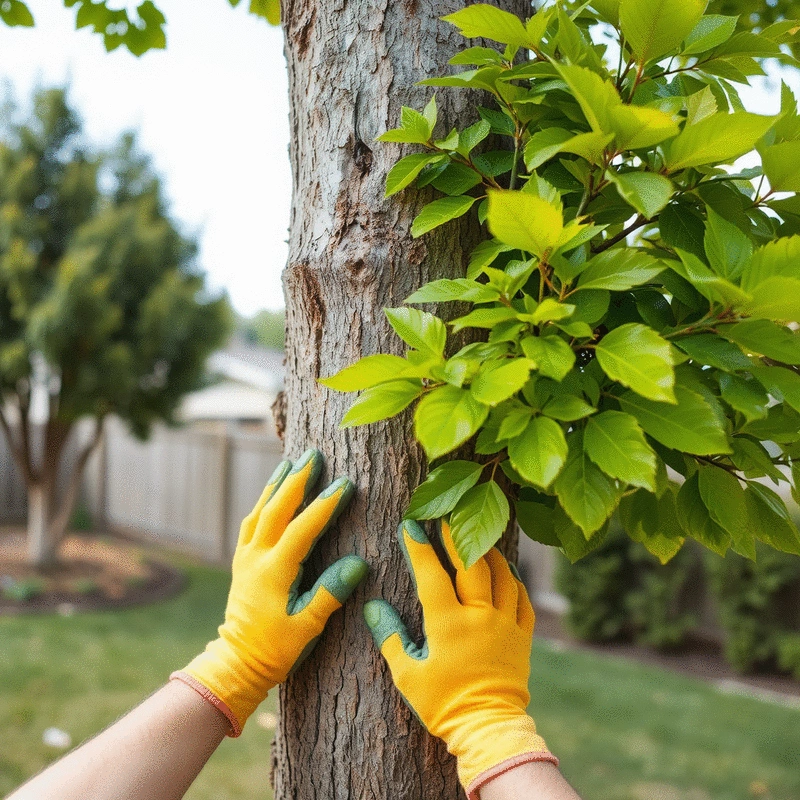
When it comes to tree care, understanding the intricacies of tree health and safety assessments can be the difference between a flourishing landscape and potential disaster. With regular evaluations, homeowners not only enhance property value but also ensure the safety of their family and surroundings. Here’s what you’ll learn about maintaining tree health effectively.
What You Will Learn
- The significance of regular tree health assessments in preventing property damage and ensuring safety.
- Key concepts of tree health, safety, and risk, enabling informed decisions in tree care.
- How seasonal variations affect tree health and the importance of adapting assessment techniques accordingly.
- Common questions about DIY tree assessments and the risks of neglecting tree health issues.
- A step-by-step guide to building a comprehensive tree health assessment checklist for effective monitoring.
Seasonal Impact on Tree Health
Understanding how each season affects tree health can help homeowners plan better tree care and maintenance.
Spring
Trees awaken from dormancy, producing new growth and flowers. Ideal time for inspecting early pest signs.
Summer
Full growth phase, trees may experience stress from heat and drought. Regular watering is essential.
Autumn
Trees prepare for winter; foliage changes color and drops leaves, which can indicate health issues needing attention.
Winter
Dormant phase, but ice and snow can damage branches. Regular inspections are vital for safety checks.
Understanding the Importance of Tree Health and Safety Assessments
When it comes to protecting our properties, one key aspect often overlooked is the health and safety of the trees around us. At Safe Canopy Care, I understand that trees are not just beautiful additions to our landscapes but also critical components that can impact our homes and safety. A thorough tree health and safety assessment helps identify potential hazards, ensuring that both your property and your loved ones are safe from unforeseen tree-related issues. For more insights on mitigating dangers, you might find our article on long-term tree risk management tips helpful.
Regular assessments can save you from costly damage and provide peace of mind. Just consider how a well-maintained tree can enhance your property value while a hazardous one can lead to disastrous outcomes! By understanding the importance of these assessments, homeowners can take proactive steps to manage the risks associated with tree health.
The Role of Tree Assessments in Property Management
Tree assessments play a vital role in effective property management. They help identify potential risks before they escalate into serious issues. By having a professional evaluation, you can ensure that your trees are in good health and not posing any threats to your property or its occupants.
- Identify hazards such as dead branches or decay.
- Plan for long-term tree care and maintenance.
- Enhance the aesthetic value of your property.
For homeowners, engaging in regular tree assessments can also be a key part of your insurance strategy. Many insurers may require proof of maintenance to avoid claims related to tree damage. By being proactive, you not only safeguard your home but also potentially reduce insurance premiums! To further prevent issues, learning about hazardous tree warning signs is crucial.
Defining Key Concepts: Tree Health, Safety, and Risk
Understanding some key concepts related to tree health is crucial. *Tree health* encompasses the overall well-being of a tree, including its growth, vitality, and resistance to pests. Safety, on the other hand, reflects the tree's structural integrity and its potential to cause harm if compromised. Finally, *risk* refers to the probability of a tree failing and causing damage or injury.
- Tree Health: Growth patterns, leaf development, and root conditions.
- Safety: Stability, presence of decay, and structural soundness.
- Risk: Evaluating hazards and potential failure scenarios.
By grasping these concepts, you can make informed decisions about your tree care practices and engage the right experts when needed. It’s about creating a safer environment for your family and property!
Understanding Arboricultural Standards for Tree Safety
Arboricultural standards provide guidelines for assessing tree health and safety, ensuring that professionals like myself adhere to best practices in tree care. Standards set by organizations such as the International Society of Arboriculture (ISA) are designed to enhance safety and promote effective tree management.
These standards encompass a variety of protocols, including:
- Risk assessment procedures.
- Tree inspection methods.
- Guidelines for tree maintenance and care.
By following these standards, I can help homeowners mitigate risks associated with trees. It’s reassuring to know that adhering to established guidelines can lead to healthier trees and safer surroundings for everyone!
Engage With Us!
We're eager to hear your thoughts on tree health and safety assessments! Have you ever had a tree-related issue that surprised you? Or perhaps you have a tip on how you maintain your trees? Share your experience below:
Seasonal Variations and Their Impact on Tree Health
As a tree safety expert at Safe Canopy Care, I've seen firsthand how the changing seasons can impact tree health. Each season brings its own challenges and benefits for trees, affecting everything from growth patterns to vulnerability to pests and diseases. Understanding these seasonal variations is essential for maintaining the safety and beauty of your trees.
In winter, trees enter a dormant phase, which slows their metabolic processes. This is when they store energy for the upcoming growing season. On the other hand, spring brings a burst of activity with new growth and flowering. It's crucial to monitor trees during these transitions, as they can be more susceptible to stress and damage from extreme weather conditions, especially after a harsh winter. This is also a good time to consider preparing trees for storm season.
How Different Seasons Affect Tree Conditions
Let’s take a closer look at how each season uniquely influences tree health:
- Spring: Trees wake from dormancy, producing new leaves and flowers. It's a critical time for inspecting for early signs of pests.
- Summer: Trees are in full growth mode but can experience stress due to heat and drought. Regular watering is essential.
- Autumn: Trees prepare for winter. Foliage color changes and leaf drop can signal health issues that need attention.
- Winter: Trees are dormant, but snow accumulation and ice can damage branches. Regular inspections are vital to check for hazards.
By understanding these seasonal influences, homeowners can better plan their tree maintenance and ensure their trees remain healthy and safe year-round!
Adapting Assessment Techniques Throughout the Year
As the seasons change, so should your assessment techniques! Here are some tailored approaches for each time of year:
- Spring Assessments: Look for new growth and any signs of pests that may have emerged after winter.
- Summer Evaluations: Check for water stress and inspect for any signs of disease due to high humidity.
- Autumn Health Checks: Monitor for leaf drop patterns; uneven drop may indicate issues.
- Winter Inspections: Assess for broken branches or structural instability caused by snow and ice.
Adapting your assessment techniques ensures that you're not only identifying problems but also taking proactive steps to prevent potential hazards.
Impact of Climate on Tree Growth Patterns
The impact of climate on tree growth is significant. Changes in temperature, precipitation, and even weather events can alter how trees develop over time. For instance, warmer winters may lead to earlier blooming, which can leave trees vulnerable to late frosts. As a homeowner, being aware of local climate patterns can help you make informed decisions about tree care and maintenance.
Moreover, understanding your specific climate zone allows you to choose the right tree species for your property, ensuring they thrive while mitigating risks associated with extreme weather. At Safe Canopy Care, we always recommend considering these factors when planting or maintaining trees!
Addressing Common Questions About Tree Health and Safety
It's natural to have questions about tree assessments, especially when it comes to ensuring the safety of your home and loved ones. Here are some frequently asked questions that may help clarify your thoughts:
FAQs About DIY Tree Assessments
Many homeowners are curious about whether they can perform tree assessments themselves. Here’s what you need to know:
- What should I look for? Check for dead branches, signs of pests, and any leaning or cracks in the trunk.
- When is the best time to assess? Spring and fall are ideal for catching potential issues.
- Can I manage tree health without expert help? While you can do basic checks, regular professional evaluations are key for serious concerns.
Understanding the Risks of Ignoring Tree Health Issues
Ignoring tree health issues can lead to serious consequences. Consider these risks:
- Increased likelihood of branch failure, especially during storms.
- Potential for damage to homes, vehicles, and fences.
- Increased pest infestations that can spread to healthy trees.
By addressing these issues proactively, you safeguard not only your property but also the community around you!
Clarifying the Differences Between Tree Diseases and Pests
It’s crucial to differentiate between tree diseases and pests, as each requires a different management approach. Here’s a quick guide:
- Tree Diseases: Often caused by fungi, bacteria, or viruses, these can affect the overall health of the tree and may require specialized treatment.
- Pests: These include insects that can damage leaves, bark, or roots. While they can be harmful, many can be managed with appropriate pest control methods.
By understanding these distinctions, you can make more informed decisions about treatment strategies, ensuring your trees remain healthy and safe!
Building a Comprehensive Tree Health Assessment Checklist
Creating a thorough assessment checklist can serve as a practical tool for both homeowners and professionals. Here’s how to build one:
Step-by-Step Guide for Beginners and Professionals
Whether you’re new to tree care or have some experience, having a structured checklist can streamline your assessment process:
- Start with a visual inspection of the tree’s overall condition.
- Check for signs of disease or infestations.
- Evaluate the soil quality and root health, as this can significantly impact tree stability.
- Document your findings to track changes over time.
Key Elements to Include in Your Assessment Checklist
Here are essential elements to incorporate into your checklist:
- Visual signs of health (leaf color, growth patterns)
- Structural integrity (leaning, cracks, broken branches)
- Soil conditions (moisture level, compaction)
- Presence of pests or diseases (specific symptoms to monitor)
Incorporating Soil Quality and Root Health into Assessments
Soil quality and root health are fundamental to tree stability and growth. Checking these elements can reveal underlying issues that may affect tree health. Key indicators to assess include:
- Soil pH levels
- Moisture content and drainage
- Root visibility and condition
By taking the time to evaluate these aspects, you're ensuring a holistic approach to tree care. For further guidance on maintaining healthy trees, consider our resource on using a tree service directory.
Summary and Recommended Next Steps for Tree Safety
In conclusion, being proactive about tree health assessments is vital for protecting your property and enhancing safety. Regular evaluations, especially during seasonal changes, are key to identifying potential risks early. At Safe Canopy Care, we recommend encouraging ongoing monitoring and being open to professional consultations for more in-depth analysis.
By implementing best practices in tree assessments and exploring integrated pest management strategies, you can enjoy your outdoor spaces while keeping your family safe. Let’s work together to create a safer environment, one tree at a time!
If you suspect a tree on your property might be dangerous, it's crucial to act quickly. Learn more about hazardous tree removal best practices to ensure safety.
Frequently Asked Questions About Tree Health and Safety Assessments
Here are some common questions to help you better understand tree health and safety assessments:
- Why are regular tree health assessments important? Regular assessments are crucial for identifying potential hazards, preventing costly property damage, and ensuring the safety of your family and surroundings. They help detect issues like disease, pests, or structural weaknesses before they escalate.
- How do seasonal changes affect tree assessments? Each season presents unique challenges and indicators for tree health. Spring is ideal for checking new growth and early pest signs, summer for monitoring heat and drought stress, autumn for observing leaf drop patterns, and winter for inspecting ice or snow damage. Adjusting assessment techniques seasonally ensures comprehensive care.
- What are the key concepts homeowners should understand regarding tree health? Homeowners should understand tree health (overall well-being, growth, vitality), safety (structural integrity and potential for harm), and risk (probability of tree failure causing damage or injury). Grasping these helps in making informed care decisions.
- Can I perform DIY tree assessments, or do I always need a professional? While basic DIY checks (like looking for dead branches, leaning, or cracks) are helpful, professional evaluations are essential for serious concerns. Experts can identify subtle issues, assess risks accurately, and provide specialized treatment plans.
- What are the risks of neglecting tree health issues? Ignoring tree health issues can lead to increased branch failure, especially during storms, potential damage to property (homes, vehicles, fences), and widespread pest infestations to other healthy trees. Proactive management safeguards both property and community.
Recap of Key Points
Here is a quick recap of the important points discussed in the article:
- Regular tree health and safety assessments are essential for identifying potential hazards and protecting your property.
- Understanding tree health, safety, and risk concepts is crucial for informed tree care decisions.
- Seasonal variations significantly impact tree health; adjust assessment techniques accordingly each season.
- Following arboricultural standards ensures effective tree management and safety.
- A comprehensive tree health assessment checklist can streamline the evaluation process and improve tree care.
- Proactive management of tree health issues can prevent costly damage and enhance property value.

Evelyn Hartman
Evelyn Hartman is a dedicated tree safety expert with over a decade of experience in the arboriculture industry. With a passion for protecting homes and properties, Evelyn specializes in proactive tree safety measures, storm preparedness, and emergency response. She is committed to educating homeowners about the importance of tree care and risk prevention, ensuring that families can enjoy their outdoor spaces with peace of mind.
Popular Posts
Tree Risk Management for Outbuildings
![Tree Risk Management for Outbuildings]() ##
Have you ever considered how the trees around your property could impact the safety of your outbu
##
Have you ever considered how the trees around your property could impact the safety of your outbu
 ##
Have you ever considered how the trees around your property could impact the safety of your outbu
##
Have you ever considered how the trees around your property could impact the safety of your outbu
Tree Cavities and Structural Safety
![Tree Cavities and Structural Safety]() Have you ever wondered how the health of a tree can directly impact your property’s safety? Unders
Have you ever wondered how the health of a tree can directly impact your property’s safety? Unders
 Have you ever wondered how the health of a tree can directly impact your property’s safety? Unders
Inspecting Tree Canopies for Safety
![Inspecting Tree Canopies for Safety]() As severe weather approaches, the safety of your property hangs in the balance. By understanding the
As severe weather approaches, the safety of your property hangs in the balance. By understanding the
 As severe weather approaches, the safety of your property hangs in the balance. By understanding the
Tree Safety Tips for Driveways
![Tree Safety Tips for Driveways]() Ensuring the safety of your home extends beyond its walls, particularly when it comes to the trees s
Ensuring the safety of your home extends beyond its walls, particularly when it comes to the trees s
 Ensuring the safety of your home extends beyond its walls, particularly when it comes to the trees s
