Proactive Maintenance Techniques
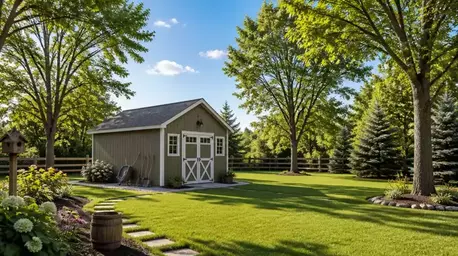
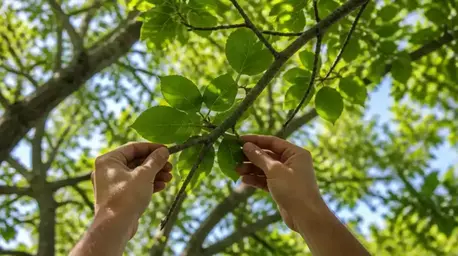
- Tree Pruning: Regular cutting improves air circulation.
- Trimming: Minor adjustments enhance safety and beauty.
- Timing: Perform during dormant seasons for optimal growth.
As we face increasingly severe weather events, understanding the role of trees in our community's safety becomes paramount. Proactive tree care goes beyond aesthetics; it is a crucial strategy for disaster preparedness and resilience. With the right approach, we can safeguard our homes and neighborhoods from the potential dangers posed by trees during storms.
Proactive tree care significantly impacts community safety and resilience during severe weather events. Below are visual representations of essential proactive measures and their benefits:
As a dedicated tree safety expert at Safe Canopy Care, I often find myself emphasizing the critical role of proactive tree care in preventing disasters. Trees are not just beautiful additions to our landscapes; they serve as vital components of our environment that can help mitigate the impacts of severe weather. By actively caring for and managing our trees, we can significantly reduce the risks they pose during storms and other emergencies. For more on managing potential risks, consider reading our guide on long-term tree risk management tips.
Proactive tree care is essential for several reasons. First, healthy trees can withstand severe weather conditions better than those that are neglected. When we take the time to care for our trees, we not only ensure their longevity but also safeguard our properties and communities. Here are a few key reasons why proactive tree care is crucial:
Trees play a significant role in emergency response strategies. They can act as natural barriers against winds and falling debris, providing shelter to homes and people. Additionally, a well-maintained tree canopy can effectively absorb rainwater, reducing flooding risks during heavy storms. By investing in tree care, we can enhance our community's resilience against natural disasters.
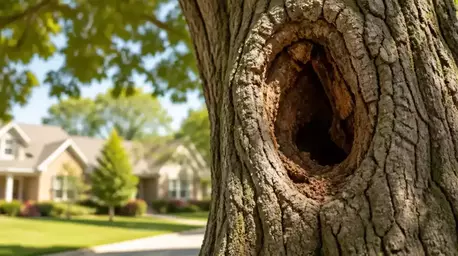
However, trees that are unhealthy or poorly maintained can become liabilities. A decaying tree can easily topple during a storm, causing property damage or even injuries. This is why at Safe Canopy Care, we advocate for regular inspections and maintenance to keep trees healthy and strong.
The effects of tree damage can ripple through entire neighborhoods. A fallen tree can block roads, disrupt power lines, and hinder emergency services. Communities that prioritize proactive tree care are far less likely to experience extensive damage during disasters. We've seen firsthand how engaged communities benefit from healthy, well-managed trees, leading to quicker recovery times and a stronger sense of safety.
Identifying and managing hazardous trees is an important part of proactive tree care. This involves understanding which trees pose risks to people and property, especially in storm-prone areas. Regular assessments can help homeowners recognize signs of decay or weakness, allowing for timely interventions. Here are steps to consider:
When examining your trees, it's crucial to know what to look for. Trees that lean excessively, have exposed roots, or show signs of disease should be prioritized for assessment. At Safe Canopy Care, we specialize in helping homeowners identify hazardous trees and recommend appropriate actions, whether it’s trimming, cabling, or removal. For more information on removing dangerous trees, check out our guide on hazardous tree removal best practices.
Managing these risks empowers homeowners to take control of their outdoor spaces. By understanding the specific needs of your trees, you can maintain a safe environment for your family and community.
Regular risk assessments are essential for keeping your trees healthy and safe. Here’s how to conduct an effective assessment:
By being proactive and conducting these assessments, you can avoid potential disasters and ensure that your trees continue to thrive. Remember, a little attention goes a long way in protecting your property!
Urban areas face unique challenges when it comes to tree care. Proper tree canopy management can significantly enhance urban resilience, making communities safer during disasters. Trees provide shade, improve air quality, and help cool urban heat islands, which is beneficial during extreme weather conditions.
Increasing the tree canopy cover in urban settings can lead to numerous benefits:
By fostering a robust urban forest, we can create environments that not only look beautiful but also function effectively in times of crisis.
The advantages of having a healthy tree canopy extend beyond aesthetics. Communities with ample tree cover often experience reduced energy costs, as trees provide natural cooling. They also promote physical and mental well-being among residents by offering green spaces for recreation and relaxation. At Safe Canopy Care, we emphasize the importance of investing in tree care to build vibrant communities.
Next time you walk through your neighborhood, take a moment to appreciate the trees around you. They are not just part of the landscape; they are essential allies in disaster preparedness and community health. By prioritizing proactive tree care, we can ensure a safer, more resilient future for all. For more tips on how to safeguard your property, read about protecting trees from storm damage.
Did you know? Regularly scheduled tree inspections can save homeowners thousands in potential damage costs. By identifying and addressing issues early, such as weak branches or signs of disease, you not only protect your property but also contribute to the overall health of your community’s ecosystem. Make it a habit to check your trees at least twice a year, especially before and after storm seasons!
When it comes to safeguarding our homes and communities from the dangers posed by trees during storms or disasters, a proactive approach is crucial. At Safe Canopy Care, we believe in implementing effective tree care strategies that not only enhance tree health but also prepare us for unexpected weather events. Here are some key strategies you can adopt to ensure your trees are resilient and your property remains safe.
One of the best ways to prepare for potential disasters is through regular maintenance. Simple practices like tree pruning and trimming can significantly minimize the risk of storm damage. By removing dead or weak branches, we help ensure that trees can better withstand high winds and heavy rains.
In addition to pruning, adding structural support like cabling and bracing can fortify trees that have weak branches or trunks. This method is especially important for mature trees that may have outgrown their support systems.
Pruning is not just about aesthetics; it plays a vital role in disaster preparedness. Cutting away dead or diseased branches can prevent them from becoming hazardous during storms. Remember, well-maintained trees are less likely to break during high winds!
By prioritizing pruning, you're not only enhancing the tree's health but also protecting your property and loved ones from potential harm.
Sometimes, trees need a little extra help to stand tall against the elements. Cabling and bracing are excellent techniques for providing additional support to mature trees that may be at risk of breaking. This method is particularly useful for trees with heavy canopies or those displaying signs of structural weakness.
Taking these steps can enhance the strength and stability of your trees, giving you peace of mind as storms approach.
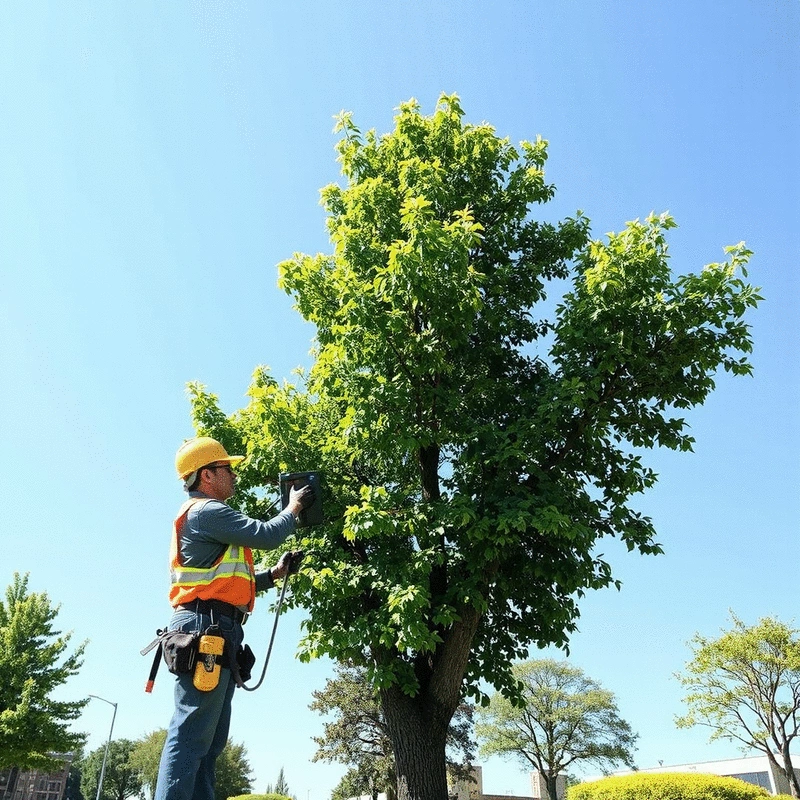
Ongoing monitoring is essential to maintaining tree health and avoiding hazards. At Safe Canopy Care, we emphasize the importance of regular inspections to catch any issues early. Identifying tree diseases or structural weaknesses can prevent disasters before they occur! For more details on this, you might find our article on using a tree service directory helpful for finding local professionals.
Conducting regular inspections allows you to identify potential issues that could lead to hazards. This proactive approach can save you time and money in the long run. Here’s what to look for during your inspections:
If you notice any of these signs, it might be time to call in a professional for a deeper evaluation. Remember, early detection is key!
Technology is changing the way we care for our trees! Utilizing IoT (Internet of Things) sensors can provide real-time data about tree health, helping you stay one step ahead of potential issues. These sensors can monitor:
By tapping into technology, you're investing in a smarter, more effective way to manage your trees. This approach ensures that you are prepared, no matter what nature throws your way!
Being prepared for severe weather events is crucial for any homeowner. At Safe Canopy Care, we advocate for creating comprehensive disaster plans tailored to your specific tree care needs. Here’s how to prepare your trees for storms effectively.
Every property should have a disaster plan that includes tree care. Here are some steps to consider:
Having a clear plan will help you respond quickly and efficiently when the weather turns nasty.
Establishing windbreaks can significantly reduce damage from strong winds. Planting trees strategically can protect your home and other structures. Additionally, maintaining healthy soil ensures that your trees have the nutrients they need to thrive and withstand storms.
By focusing on these preventive measures, you can enhance both tree health and your property’s safety!
Safety should always come first when handling trees, especially during emergencies. Developing comprehensive emergency response strategies is crucial for protecting your home and family.
Here are essential components for your emergency response strategies:
By being prepared, you can respond effectively to any tree-related emergency. You can find more information regarding preparing trees for storm season here.
Community engagement is vital for effective tree disaster prevention. Working together with neighbors and professionals can create a network of support. Consider:
Together, we can build a safer environment for everyone!
Healthy soil is the foundation of resilient trees. Implementing soil and erosion control practices is essential for maintaining tree health, especially during storm events. Here’s how to improve soil health and prevent erosion.
Healthy trees start with healthy soil! Focus on the following soil health strategies:
By enhancing soil health, your trees will be better equipped to withstand storms and other challenges.
Erosion can severely impact tree stability. To manage erosion effectively, consider:
These strategies will help maintain a healthy environment for your trees while preventing damage to your property.
Here is a quick recap of the important points discussed in the article:
Evelyn Hartman is a dedicated tree safety expert with over a decade of experience in the arboriculture industry. With a passion for protecting homes and properties, Evelyn specializes in proactive tree safety measures, storm preparedness, and emergency response. She is committed to educating homeowners about the importance of tree care and risk prevention, ensuring that families can enjoy their outdoor spaces with peace of mind.