Tree Inspections Enhance Storm Safety
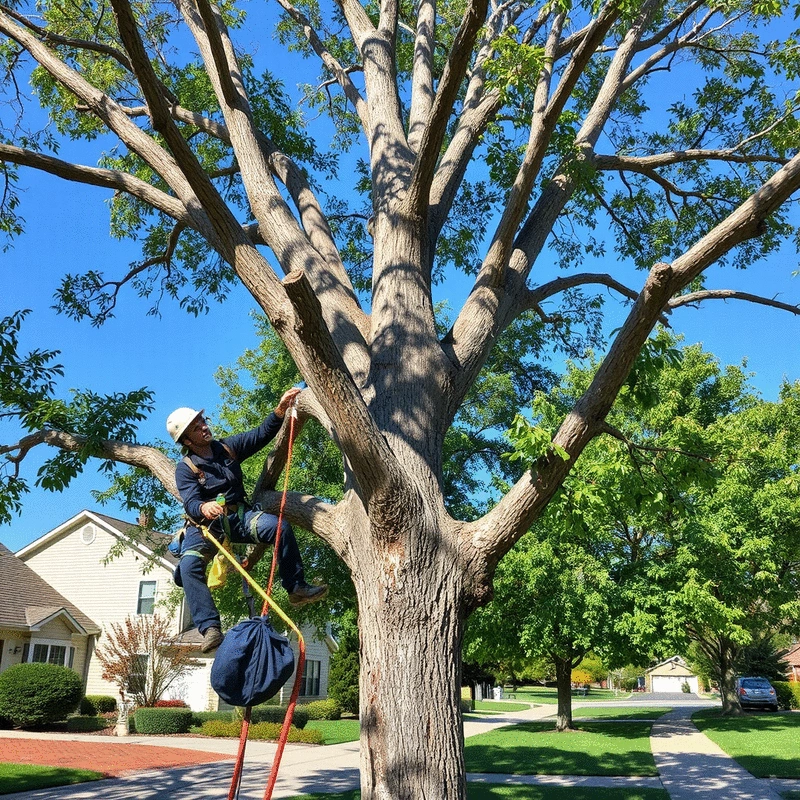
As storm season approaches, the safety of your home and loved ones depends greatly on the health of your trees. Regular inspections can be the difference between a minor inconvenience and a major disaster. Are you ready to take action?
What You Will Learn
- The importance of early hazard identification to prevent accidents and damage.
- How to make informed decisions regarding tree management based on inspection findings.
- Key risks associated with neglected trees, including weak branches and root health issues.
- The benefits of regular maintenance, pruning, and soil assessments for tree resilience.
- How community safety is enhanced through proactive tree inspections and preparedness.
- The cost efficiency of regular inspections compared to emergency tree removals and insurance benefits.
- When to seek professional assessments and the long-term advantages of utilizing tree care services.
Key Benefits of Regular Tree Inspections
Understanding the critical factors involved in regular tree inspections can significantly impact storm safety and property protection.
Early Identification
Spotting potential hazards like weak branches or decay can prevent accidents.
Informed Decisions
Knowing the condition of your trees allows for better planning and management.
Peace of Mind
Feeling secure about your property can reduce stress during storm events.
Cost Efficiency
Routine inspections are less expensive than emergency removals.
Insurance Benefits
Insurance companies may offer discounts for well-maintained properties.
Emergency Preparedness
Proactive tree care can lead to fewer emergency calls related to fallen trees.
The Critical Role of Regular Tree Inspections in Storm Safety
As storm season approaches, one question weighs heavily on the minds of many homeowners: Are my trees ready to withstand the storm? Regular tree inspections are essential for early hazard detection and play a significant role in storm preparedness. By proactively assessing the health of your trees, you can take steps to protect not only your property but also your loved ones.
At Safe Canopy Care, we understand that each tree is unique and requires individualized attention. Our commitment to educating homeowners about tree safety emphasizes the importance of staying ahead of potential risks. Investing the time for tree inspections now can save you from the anxiety that comes with unexpected storm damage later! For more insights on proactive tree care, consider our long-term tree risk management tips.
Understanding the Need for Tree Inspections Prior to Storm Season
The importance of tree inspections cannot be overstated. Before the winds pick up, we need to be vigilant. Here’s why regular assessments are crucial:
- Early Identification: Spotting potential hazards like weak branches or decay can prevent accidents.
- Informed Decisions: Knowing the condition of your trees allows for better planning and management.
- Peace of Mind: Feeling secure about your property can reduce stress during storm events.
By prioritizing inspections, you’re not just maintaining your trees; you’re ensuring a safer environment for your family. Imagine stepping out during a storm, confident that you’ve taken every precaution to safeguard your home!
Key Risks Associated with Neglected Trees
Identifying Weak Branches and Structural Weaknesses
One of the most significant dangers posed by neglected trees is weak branches breaking during a storm. These branches can fall on your home, car, or even injure someone nearby. Regular inspections help identify:
- Branches that are dead or decayed
- Overextended limbs that may be unstable
- Structural issues that compromise tree integrity
At Safe Canopy Care, we focus on identifying these risks early so that homeowners can take necessary actions, such as trimming or removing hazardous limbs before a storm hits. This proactive approach aligns with preparing trees for storm season effectively.
Understanding Soil and Root Health Issues
Did you know that the health of a tree's roots is vital to its stability? Issues like soil compaction or root rot can weaken a tree significantly, making it more susceptible to falling during high winds. Here’s what to consider:
- Healthy roots anchor the tree securely in the ground.
- Compromised roots can lead to unexpected toppling.
- Regular assessments can reveal underlying soil issues.
By understanding these factors, homeowners can take proactive measures to ensure their trees remain sturdy and resilient.
Assessing Tree Health and Risk Assessment
When it comes to risk assessment, engaging a certified arborist is crucial. These experts evaluate tree health using their trained eyes to spot issues that may not be immediately visible. Here’s what they typically assess:
- Tree species and age
- Visible signs of disease or infestation
- Annual growth patterns and overall vitality
By conducting thorough evaluations, arborists like those at Safe Canopy Care help homeowners make informed decisions regarding tree maintenance and safety.
Promoting Tree Health for Enhanced Safety
The Benefits of Pruning and Pest Control
Regular maintenance, including pruning and pest control, can significantly strengthen your trees. Not only does this reduce the risk of falling branches, but it also promotes healthy growth. Here are the benefits:
- Improved Airflow and Sunlight: Pruning allows for better light penetration and airflow.
- Reduced Pest Infestation: Healthy trees are less attractive to pests.
- Enhanced Resilience: Strong trees are better equipped to withstand storms.
At Safe Canopy Care, we emphasize the importance of regular tree care as a proactive measure to enhance safety. This helps in assessing tree health and safety to prevent future issues.
Soil Assessment and Its Importance
Healthy soil is the foundation of strong trees! Assessing soil conditions can reveal vital information about tree health. Consider these points:
- Checking pH levels to ensure nutrient availability
- Identifying any drainage issues that could affect root health
- Evaluating presence of compaction or erosion around tree bases
By understanding soil health, homeowners can take steps to improve conditions and promote tree stability, especially before storm season.
Frequently Asked Questions (FAQs)
- Q: Why are regular tree inspections important before storm season?
A: Regular tree inspections are crucial for early hazard detection, allowing homeowners to identify weak branches, decay, or structural issues that could lead to accidents or property damage during storms. They help ensure preparedness and protection for your property and loved ones. - Q: What are the key risks associated with neglected trees?
A: Neglected trees pose risks such as falling weak or decayed branches, structural weaknesses, and instability due to poor root health (e.g., soil compaction, root rot). These issues can make trees vulnerable to severe weather. - Q: How can pruning and pest control contribute to tree health and safety?
A: Pruning improves airflow and sunlight penetration, reduces the risk of falling branches, and makes trees less attractive to pests. Pest control protects trees from harmful infestations. Both contribute to enhanced resilience and healthier growth, making trees better able to withstand storms. - Q: When should I seek professional tree risk assessments?
A: You should seek professional assessments if you notice significant damage after a storm, if a tree appears dangerously leaned, if there are signs of insect infestations, or if you observe any unusual changes in your tree's health that you cannot identify or resolve yourself. - Q: How do regular tree inspections save money?
A: Regular inspections are a cost-efficient preventative measure. They are less expensive than emergency tree removals and repairs from storm damage. Additionally, well-maintained properties may qualify for insurance benefits or discounts, further reducing long-term costs.
Community and Property Safety Through Regular Inspections
Reducing Emergency Calls with Proactive Measures
Engaging in regular tree inspections not only benefits your property but also enhances community safety. Here’s how:
- Fewer emergency calls related to fallen trees.
- Enhanced neighborhood safety through proactive risk management.
- Encourages a culture of preparedness among residents.
At Safe Canopy Care, we believe that a well-informed community is a safer one. Let’s work together to prevent emergencies!
Compliance with Local Regulations for Safe Practices
Understanding local regulations is essential for responsible tree maintenance. Many communities, such as Toronto, have specific bylaws regarding tree care. This includes:
- Guidelines for hazardous tree removal
- Requirements for inspections before storm seasons
- Legal responsibilities of property owners
Compliance with these regulations not only protects your property but also contributes to a safer community. For guidance on identifying problematic trees, refer to our dangerous trees identification guide.
Cost Efficiency: Inspections vs. Emergency Removals
Understanding Financial Implications of Tree Maintenance
Regular inspections can save you money in the long run. Here’s a look at the financial implications:
- Routine inspections are less expensive than emergency removals.
- Preventative care reduces costly damage to your property.
- Investing in tree health can extend the life of your trees.
By prioritizing tree care, you make a wise investment in your property that pays off over time!
Highlighting Potential Insurance Benefits
Did you know that having regular tree inspections may affect your insurance premiums? Here are some points to consider:
- Insurance companies may offer discounts for well-maintained properties.
- Documented inspections can support claims related to storm damage.
- Proactive tree care can lead to fewer claims overall.
This is just one more reason to prioritize regular inspections—your wallet will thank you!
Emergency Preparedness and Community Awareness
Finally, community awareness is essential for effective tree management during severe weather events. When everyone understands the importance of tree safety, we can work together to create a safer environment. Here are a few key ideas:
- Community workshops on tree care and safety
- Establishing a neighborhood watch for tree hazards
- Sharing resources and information about local tree management services
By fostering awareness, we prepare not only ourselves but also our communities to face whatever nature may throw our way! Together, we can ensure a safer future. For assistance in finding qualified professionals, consider using a tree service directory.
Pro Tip
Did you know? Regularly documenting the condition of your trees can enhance your overall storm preparedness. Keeping a log of inspections, maintenance activities, and any changes observed can help you track the health of your trees over time. This information proves invaluable when consulting with a professional arborist or when dealing with insurance claims related to storm damage.
Next Steps: Ensuring Storm Safety Through Tree Inspections
How Homeowners Can Conduct Basic Visual Tree Checks
As a homeowner, you can take simple steps to ensure your trees are ready for storm season! Start with a visual inspection of your trees, looking for any obvious hazards. Here’s a quick guide to help you:
- Examine the trunk: Look for cracks, splits, or any signs of decay.
- Check the branches: Identify any dead or weak branches that could fall during high winds.
- Inspect the roots: Ensure they are healthy and stable, without visible damage or rot.
- Observe the canopy: Look for signs of disease, such as discolored leaves or unusual growth.
By performing these basic checks, you can spot potential risks early! Remember, it’s always better to be proactive and address any concerns before a storm hits.
When to Seek Professional Tree Risk Assessments
While basic checks are great, there are times when it’s essential to call in a professional. Here are situations where you should consider hiring an arborist for a more thorough evaluation:
- Visible damage: If you notice significant damage to your trees after a storm.
- Lean in the trunk: If a tree appears to be leaning dangerously.
- Insect infestations: If you see signs of pests that could weaken the tree.
- Health concerns: When you observe any unusual changes in the tree’s health.
At Safe Canopy Care, we specialize in identifying these risks and providing expert solutions! Don't hesitate to reach out for help if you’re unsure about the condition of your trees.
Utilizing Tree Care Services for Long-Term Maintenance
For ongoing tree health and safety, engaging professional services is crucial! Regular maintenance can significantly enhance the resilience of your trees against storms. Here are some services to consider:
- Pruning: Helps remove weak branches and promotes healthy growth.
- Soil assessments: Ensures optimal conditions for tree stability.
- Pest and disease management: Protects trees from harmful infestations.
- Regular inspections: Keeps an eye on your trees year-round, addressing issues promptly.
By partnering with Safe Canopy Care, you’re taking an important step towards ensuring your trees can weather whatever storms come their way! Our expertise is here to support your long-term tree health and safety.
Conclusion: The Value of Proactive Tree Inspections for Storm Preparedness
Ensuring Peace of Mind with Professional Services
Scheduling regular inspections is not just about tree care; it’s about ensuring peace of mind for you and your family. Knowing your trees are healthy and stable will allow you to enjoy your outdoor space without worry! At Safe Canopy Care, we are committed to providing quality inspections and expert advice that prioritize your safety.
Call to Action: Scheduling Your Tree Inspection
Don’t wait for the storm season to start! Contact Safe Canopy Care today to schedule your tree inspection. Let's work together to ensure your property remains safe and secure. Your trees deserve the best care, and so do you!
Recap of Key Points
Here is a quick recap of the important points discussed in the article:
- Regular Inspections: Conducting regular tree inspections is crucial for early hazard detection and storm preparedness.
- Identifying Risks: Look for weak branches, root health issues, and signs of disease to prevent accidents during storms.
- Engage Professionals: Consider hiring certified arborists for thorough assessments and effective tree management.
- Ongoing Maintenance: Regular pruning, soil assessments, and pest control are essential for maintaining tree health and stability.
- Community Safety: Encourage neighborhood awareness and compliance with local regulations to enhance overall community safety.
- Cost-Effectiveness: Investing in regular inspections can save money in the long run by preventing costly emergency removals and damage.

Evelyn Hartman
Evelyn Hartman is a dedicated tree safety expert with over a decade of experience in the arboriculture industry. With a passion for protecting homes and properties, Evelyn specializes in proactive tree safety measures, storm preparedness, and emergency response. She is committed to educating homeowners about the importance of tree care and risk prevention, ensuring that families can enjoy their outdoor spaces with peace of mind.
Popular Posts
Tree Risk Management for Outbuildings
![Tree Risk Management for Outbuildings]() ##
Have you ever considered how the trees around your property could impact the safety of your outbu
##
Have you ever considered how the trees around your property could impact the safety of your outbu
 ##
Have you ever considered how the trees around your property could impact the safety of your outbu
##
Have you ever considered how the trees around your property could impact the safety of your outbu
Tree Cavities and Structural Safety
![Tree Cavities and Structural Safety]() Have you ever wondered how the health of a tree can directly impact your property’s safety? Unders
Have you ever wondered how the health of a tree can directly impact your property’s safety? Unders
 Have you ever wondered how the health of a tree can directly impact your property’s safety? Unders
Inspecting Tree Canopies for Safety
![Inspecting Tree Canopies for Safety]() As severe weather approaches, the safety of your property hangs in the balance. By understanding the
As severe weather approaches, the safety of your property hangs in the balance. By understanding the
 As severe weather approaches, the safety of your property hangs in the balance. By understanding the
Tree Safety Tips for Driveways
![Tree Safety Tips for Driveways]() Ensuring the safety of your home extends beyond its walls, particularly when it comes to the trees s
Ensuring the safety of your home extends beyond its walls, particularly when it comes to the trees s
 Ensuring the safety of your home extends beyond its walls, particularly when it comes to the trees s
