In a world where unexpected costs can arise at any moment, understanding the financial impact of tree maintenance is essential for homeowners. With proactive measures, you can avoid costly emergencies and enhance your property’s value!
What You Will Learn
The financial ramifications of neglecting tree care, including emergency removals and property damage costs.
The benefits of proactive maintenance, such as improved tree health and enhanced property value.
Budget-friendly strategies for tree trimming and seasonal maintenance practices that promote healthy growth.
The advantages of hiring certified arborists for professional tree care and risk assessment.
How to create a comprehensive tree inventory to prioritize maintenance and allocate resources effectively.
Real-world examples highlighting the savings and benefits of regular tree maintenance practices.
The importance of establishing an emergency response plan for storm preparedness and maintaining tree safety.
Financial Impact of Tree Maintenance
Understanding the costs associated with neglecting tree care can help homeowners make informed decisions. Below are key statistics highlighting the financial advantages of proactive tree maintenance.
Costs of Neglected Tree Maintenance
Emergency tree removal costs
Property damage repairs from falling branches
Increased insurance premiums due to claims
Loss of landscape value from dead trees
Benefits of Proactive Tree Care
Improved tree health and aesthetics
Reduction in hazardous branches
Increased longevity of trees
Enhanced property value
Real-World Examples of Cost Savings
Community park revitalization increased foot traffic
10% property value increase from tree care
$3,500 saved from emergency removal by regular assessments
Expert Insights on Tree Maintenance
"Investing now avoids costly removals later." - Arborist John Smith
"Routine inspections reveal issues early." - Arborist Lisa Jackson
Understanding the Importance of Cost-Effective Tree Maintenance
When it comes to tree care, the importance of cost-effective maintenance cannot be overstated. Neglecting your trees can lead to serious financial consequences, including emergency removal and damage to your property. Imagine waking up one day to find that a storm has uprooted a tree, causing damage to your home or vehicle. These unexpected costs can be overwhelming and easily avoided with regular maintenance. For more information on preventing such incidents, consider exploring long-term tree risk management tips.
At Safe Canopy Care, I often see homeowners facing hefty bills due to tree-related emergencies. By prioritizing tree care now, you can prevent significant expenses in the future. Proactive measures not only protect your home but also enhance your property’s value!
Evaluating the Financial Impact of Tree Care
It’s essential to understand the financial impact of tree care. Here are some costs associated with neglecting tree maintenance:
Emergency tree removal services, which can be quite expensive.
Property damage repairs due to falling branches or uprooted trees.
Increased insurance premiums as a result of frequent claims.
Loss of landscape value if trees die or become hazardous.
These expenses add up quickly. By investing in regular tree maintenance, you can enjoy peace of mind and save your wallet from unexpected hits. Trust me, taking action now is worth every penny!
Why Proactive Maintenance is a Smart Investment
Proactive maintenance, such as seasonal tree pruning and deadwood removal, is a smart investment for homeowners. Regular upkeep helps your trees stay healthy and strong, reducing the risk of damage during storms. Think of it as a preventative health check for your trees! To further understand how to safeguard your property, delve into protecting your home from trees.
Here are some key benefits of proactive maintenance:
Improved tree health and aesthetics.
Reduction in hazardous branches that could fall during storms.
Increased longevity of your trees, saving you money in the long run.
Enhanced property value through well-maintained landscaping.
At Safe Canopy Care, I believe that a little care goes a long way. With proper maintenance, you can create a safe and beautiful outdoor space for your family to enjoy!
Key Strategies for Budget-Friendly Tree Trimming
As we dive deeper into tree maintenance, it’s important to explore budget-friendly strategies for trimming and care. Proper planning and execution can lead to a healthier environment for your trees without breaking the bank!
Seasonal Tree Pruning Techniques
Seasonal tree pruning is an essential practice that not only keeps your trees looking their best but also promotes healthy growth. Here are some seasonal maintenance practices you can follow:
Prune in late winter or early spring when trees are dormant.
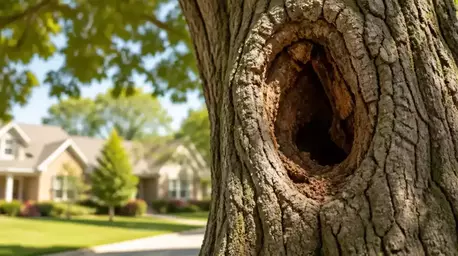
Remove any dead or diseased branches promptly.
Thin out crowded canopies to allow sunlight to reach lower branches.
By implementing these techniques, you’re not just saving money; you’re ensuring that your trees thrive and remain resilient against environmental stressors!
The Role of Certified Arborists in Tree Maintenance
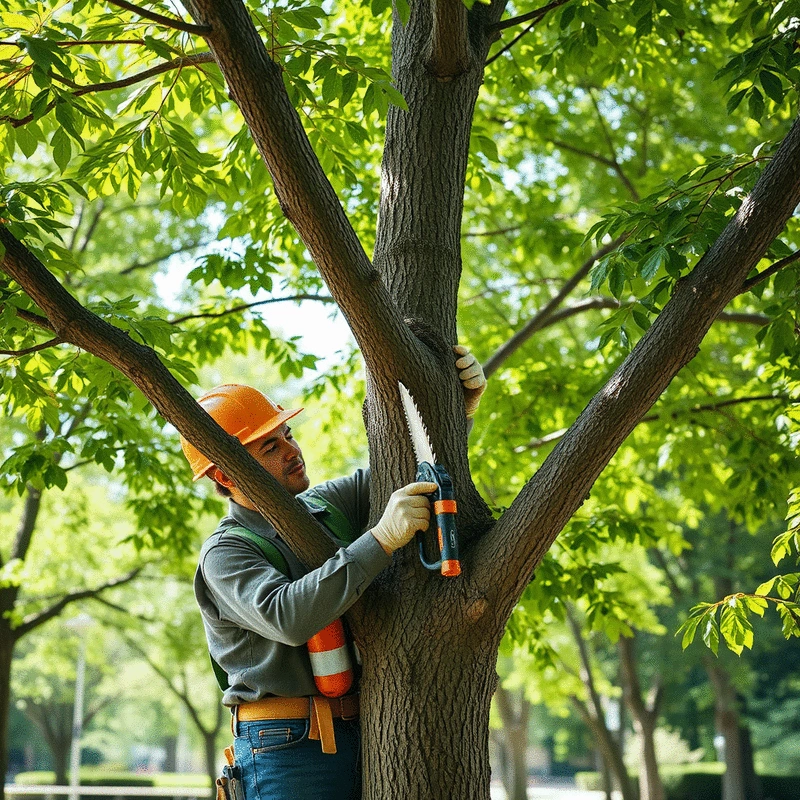
Engaging a certified arborist for tree maintenance can make a world of difference, especially for trees over 15 feet tall. While some homeowners may consider a DIY approach, the expertise of a professional is invaluable.
Here are some reasons to hire a certified arborist:
In-depth knowledge of tree species and proper care techniques.
Access to specialized tools and equipment for safe trimming.
Ability to spot potential health issues early on.
At Safe Canopy Care, we pride ourselves on our expertise in tree safety. Choosing to go professional can save you time, effort, and ultimately, cost in the long run!
Importance of Tree Inventory and Risk Assessment
Keeping a tree inventory and conducting regular risk assessments is crucial for prioritizing maintenance efforts. By knowing what trees you have and their condition, you can make informed decisions about where to focus your attention. For guidance on finding reliable professionals, checking a tree service directory can be highly beneficial.
Here are some steps to establish a tree inventory:
Document the species, size, and health of each tree on your property.
Assess potential risks, such as proximity to structures.
Schedule regular inspections to update your inventory.
With a solid inventory and risk assessment in place, you can proactively address potential issues and allocate resources wisely. Remember, knowledge is power when it comes to tree safety!
Quick Summary
Here's a brief recap of the key points discussed so far:
Cost-effective tree maintenance can prevent unexpected expenses such as emergency removals and property damage.
Proactive measures, including seasonal pruning and engaging certified arborists, enhance tree health and property value.
Establishing a tree inventory and conducting regular risk assessments are vital for informed maintenance decisions.
Case Studies on Successful Tree Maintenance Practices
When we think about tree maintenance, it’s easy to overlook the real-life examples that show just how effective proactive care can be. I’ve seen many homeowners benefit tremendously by implementing solid tree care strategies. Here, I’ll share a couple of case studies that highlight the financial advantages of proper tree maintenance, emphasizing how these practices can lead to significant savings in the long run.
One notable example involves a family in our community who faced costly damages due to a neglected oak tree. After a thorough assessment, they decided to invest in routine pruning and inspection. Within a year, not only did their tree flourish, but they also saved thousands in potential damage costs during storm season. This case is a clear demonstration of how staying ahead of tree care issues can lead to substantial financial benefits!
Real-World Examples of Cost-Effective Strategies
Here are some real-world examples that illustrate the financial benefits of investing in tree maintenance:
Community Park Revitalization: A local park implemented a tree inventory and ongoing care plan. This resulted in healthier trees, enhanced aesthetics, and increased foot traffic, benefiting local businesses.
Residential Property Value Increase: Homeowners who regularly pruned their trees noticed a 10% increase in property value due to improved curb appeal and reduced risk of damage.
Emergency Response Savings: A family that engaged a certified arborist for an annual assessment avoided an emergency removal situation, saving them an estimated $3,500 in urgent tree surgery costs!
Expert Testimonials and Recommendations
Many certified arborists echo the importance of regular maintenance and engagement with professionals. Here's what a couple of experts have to say:
"Investing in tree health today means avoiding costly removals tomorrow. A proactive approach, like the one Safe Canopy Care promotes, is essential!" - Arborist John Smith.
"Routine inspections can unveil issues before they escalate. Homeowners should never underestimate the value of expert advice!" - Arborist Lisa Jackson.
These insights reinforce my belief that being proactive is the best way to manage tree risks effectively. By combining professional help with a commitment to regular maintenance, homeowners can enjoy peace of mind and protect their properties.
Frequently Asked Questions about Tree Maintenance
Here are some common questions homeowners have about tree maintenance and their financial impact:
Q: What are the primary financial risks of neglecting tree maintenance?
A: Neglecting tree maintenance can lead to significant financial risks, including costly emergency tree removal services, extensive property damage from falling branches or uprooted trees, increased insurance premiums due to claims, and a decrease in property value if trees become hazardous or die.
Q: How can proactive tree maintenance save me money?
A: Proactive maintenance, such as regular pruning and deadwood removal, prevents issues from escalating into expensive emergencies. It improves tree health and longevity, reduces the risk of storm damage, and enhances property value, ultimately saving you money on repairs and removals.
Q: When is the best time for seasonal tree pruning?
A: The best time for seasonal tree pruning is typically in late winter or early spring when trees are dormant. This timing promotes healthy growth and allows you to easily identify and remove dead or diseased branches before new growth begins.
Q: Why should I hire a certified arborist instead of doing tree work myself?
A: Certified arborists possess in-depth knowledge of tree species, proper care techniques, and safe removal methods. They have specialized tools and equipment to handle complex tasks safely and can identify potential health issues early, saving you time, effort, and avoiding potential costly mistakes or injuries, especially for larger trees.
Q: What is a tree inventory, and how does it help with maintenance?
A: A tree inventory is a comprehensive record of the trees on your property, documenting their species, size, health, and location. It helps you prioritize maintenance efforts by identifying at-risk trees and potential hazards, allowing for informed decisions and efficient allocation of resources.
What are the best practices for DIY tree care?
If you’re managing smaller trees, there are several essential practices you can follow to keep them healthy:
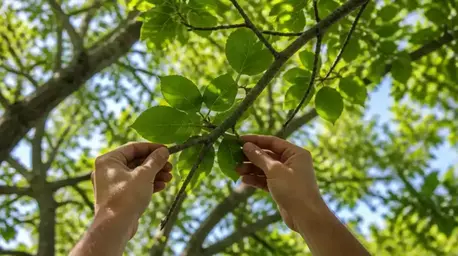
Regularly inspect for signs of disease or damage.
Prune lightly during the growing season to encourage healthy growth.
Mulch around the base to retain moisture and suppress weeds.
Water deeply but infrequently to promote strong root systems.
These simple actions can make a big difference! However, always remember that for larger trees, it’s best to consult with a professional.
How often should I schedule professional tree maintenance?
Scheduling professional maintenance depends on various factors, such as tree species, condition, and local climate. Here’s a general guide:
For healthy trees: every 1-3 years.
For trees showing signs of stress: annually.
After severe storms: inspect immediately and schedule care as needed.
The guidance provided by a certified arborist can help tailor a schedule that suits your tree's specific needs!
Taking Action for Effective Tree Risk Management
Connecting with Local Tree Service Professionals
I encourage you to seek out certified arborists in your area, like the dedicated team at Safe Canopy Care. Engaging a professional ensures your trees receive the expert care they require. You’ll not only protect your property but also gain access to valuable insights on maintaining a safe and beautiful landscape.
Commit to a Proactive Tree Maintenance Plan
Remember, implementing a maintenance strategy is crucial in preventing costly risks. Regular care can enhance your trees' health and improve your property’s value. So, take the time today to assess your trees and consider establishing a maintenance plan that works for you!
Storm Preparedness and Emergency Response Planning
Lastly, let’s not forget the importance of preparing for storms. Having an emergency response plan in place can make all the difference when severe weather strikes. Consider reaching out to professionals like Safe Canopy Care for guidance on how to best protect your trees and your home. For comprehensive advice on preparing trees for storm season, review our detailed guide.
Recap of Key Points
Here is a quick recap of the important points discussed in the article:
Prioritize Cost-Effective Maintenance: Regular tree care prevents costly emergencies and enhances property value.
Understand Financial Impacts: Neglecting tree maintenance can lead to high costs from emergency removals and property damage.
Invest in Proactive Maintenance: Seasonal pruning and deadwood removal improve tree health and longevity while reducing risks during storms.
Utilize Certified Arborists: Professionals offer essential expertise, tools, and insights for effective tree care.
Conduct Regular Risk Assessments: Keep a tree inventory to prioritize maintenance and address potential hazards proactively.
Implement DIY Best Practices: For smaller trees, regular inspections, proper pruning, mulching, and deep watering are crucial for health.
Evelyn Hartman
Evelyn Hartman is a dedicated tree safety expert with over a decade of experience in the arboriculture industry. With a passion for protecting homes and properties, Evelyn specializes in proactive tree safety measures, storm preparedness, and emergency response. She is committed to educating homeowners about the importance of tree care and risk prevention, ensuring that families can enjoy their outdoor spaces with peace of mind.
Tree Safety Tips for Driveways
Ensuring the safety of your home extends beyond its walls, particularly when it comes to the trees s
Welcome to Safe Canopy Care
Safe Canopy Care is dedicated to ensuring the safety of your property through proactive tree safety measures. Our mission is to educate homeowners about tree care and risk prevention, providing peace of mind and protecting your assets from tree-related hazards.
Start your tree safety journey by regularly inspecting your trees for dead or decaying branches. Early detection can prevent major hazards!
Don't underestimate the importance of proper tree pruning. Strategic cuts can improve tree health and reduce storm damage risks.
Utilize professional tree assessments. An expert eye can spot hidden dangers and recommend proactive solutions to protect your property.
Ensure your trees are well-hydrated, especially during dry spells. Healthy trees are more resilient to severe weather and disease.
Focus on proper tree planting techniques. Give your young trees the best start for strong root development and long-term stability.
Leverage storm preparedness plans for your outdoor space. Knowing what to do before a storm hits can significantly reduce damage.
Create an emergency response contact list. Have numbers for local arborists and emergency services readily available for tree-related incidents.
Regularly update your knowledge on local tree diseases and pests. Early identification can save your trees and prevent spread.
Use descriptive and user-friendly labels for your tree care tools. Organization saves time during urgent situations.
Incorporate community awareness about tree safety. Share tips with neighbors to foster a safer environment for everyone.
Implement strategic tree removal for hazardous specimens. Sometimes, removing a high-risk tree is the safest long-term solution.
Optimize your landscape design for tree safety. Proper spacing and species selection reduce competition and risk.
Encourage discussions on tree safety in local forums. Positive community engagement enhances overall preparedness.
Monitor and improve your property's overall resilience to natural events. A holistic approach includes tree safety as a core component.
Include a clear call-to-action in every tree safety assessment. This boosts engagement and guides property owners to take proactive steps for a safer canopy!