Anthracnose
Causes leaf spots and premature leaf drop. Early detection is essential for effective treatment.
Did you know that early detection of tree diseases can save you money and preserve the beauty of your landscape? Understanding the signs and treatment options for tree diseases is essential for every homeowner. Here’s a quick guide to what you will learn about maintaining the health of your trees.
Understanding tree diseases and their treatment can significantly impact the health of your landscape. Below is a visual representation of common tree diseases and the recommended treatments.
Causes leaf spots and premature leaf drop. Early detection is essential for effective treatment.
Leads to wilting leaves and branch dieback. Pruning and removal of infected limbs are recommended.
Produces yellowing leaves and stunted growth. Apply fungicides to manage this disease.
Causes trees to decline and eventually die due to fungal infections. Ensure proper watering and drainage.
Causes dark, elongated growths on branches. Pruning infected areas is crucial for control.
Leads to rapid browning and dieback of leaves. Timely fungicide application can mitigate damage.
When it comes to maintaining the beauty and health of your landscape, understanding tree diseases is absolutely essential! I’ve seen firsthand how early detection can safeguard not just the trees themselves but also the overall aesthetics of your property. The quicker you can identify a problem, the better chance you have at treating it effectively, thus preserving the value of your home and enhancing your outdoor enjoyment.
Tree diseases can spread quickly, often going unnoticed until significant damage has occurred. This is why I emphasize the importance of being vigilant. Just like you would get a check-up at the doctor’s office, your trees need regular inspections to stay healthy. By being proactive, you can help your trees thrive and protect your investment! For more on protecting your trees, consider our guide on preparing trees for storm season.
Identifying tree diseases early is crucial for several reasons. First, it helps in maintaining the health of your trees, which in turn supports the overall ecosystem of your yard. Healthy trees can provide shade, beauty, and increased property value. Second, early detection can prevent the spread of diseases to other trees in your landscape.
Moreover, addressing tree diseases promptly can save you money in the long run. Treatment costs can skyrocket if you wait too long to act, leading to more extensive damage. So, keep an eye on your trees, and don’t hesitate to reach out for help if you notice any changes!
There are several common tree diseases that every homeowner should be aware of. Here’s a quick overview:
Recognizing these diseases early can make a huge difference in how effectively you can treat them. It’s like being a detective for your trees—every little detail counts!
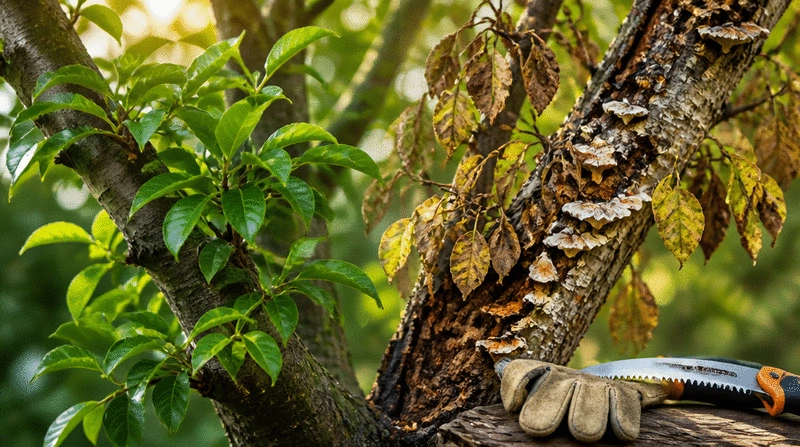
Key symptoms to look out for include wilting leaves, changes in bark texture, and unexpected defoliation. If you’re not sure what to look for, I recommend utilizing high-resolution images of these symptoms. You can even download a handy checklist to keep in your gardening toolbox!
Having visual guides can make it easier to remember what to look for, so your trees can get the care they need as soon as possible. After all, we don’t want to let any potential issues go unnoticed!
Once you identify a tree disease, it’s important to act quickly. Here are some practical approaches to treating tree diseases:
Each treatment will depend on the specific disease and the overall health of your tree. Always remember, prevention is key, and sometimes, it’s best to consult a professional! For more information on preventative measures, check out our insights on long-term tree risk management tips.
So, when should you call in the experts? If you notice severe symptoms, like extensive dieback or rapid decline, it’s time to reach out to a certified arborist. They can provide a comprehensive evaluation, ensuring that your trees get the specialized care they need. Don't hesitate; it’s always better to be safe than sorry!
At Safe Canopy Care, we believe in empowering homeowners with knowledge, but we also recognize the value of professional expertise. If you ever feel unsure, remember, we’re just a call away!
Prevention is always better than cure! Implementing holistic prevention strategies can keep your trees healthy and happy. Here are some key practices:
By focusing on these preventive measures, you can create a robust environment for your trees, helping them withstand potential threats effectively.
To keep tabs on your trees’ health, consider conducting regular assessments. This involves visual inspections where you look for signs of disease, pests, or environmental stress. You can also use diagnostic tools to check for underlying issues that may not be immediately visible.
Regular assessments not only help you catch problems early but also educate you about your trees' specific needs. Think of it as a health check-up for your green companions! For assistance in finding the right professional, explore our guide on using a tree service directory.
Here's a brief recap of the key points discussed so far:
As a homeowner, you might find yourself facing the difficult choice of whether to tackle tree care on your own or to bring in a professional. The decision can be daunting! That’s why creating a clear plan can help ease the stress. With a decision flowchart, you can assess your situation and determine the most effective course of action for your trees.
Here’s how to break it down:
Each region has its own set of challenges when it comes to tree diseases, so understanding local conditions can be critical. For instance, certain diseases may thrive in areas with high humidity or specific soil types. As the founder of Safe Canopy Care, I’ve seen firsthand how seasonal shifts can impact tree health—exposing your trees to different risks throughout the year.
To best manage tree diseases in your area, consider creating a seasonal action plan. Here’s a basic framework to get you started:
When it comes to tree care, questions are bound to arise! Here are some common FAQs that I often hear from homeowners:
In our tech-savvy world, we have fantastic tools at our disposal to help monitor tree health! There are several apps available that can assist you in tracking changes in your trees over time. These tools allow you to document symptoms and receive reminders for regular check-ups. Here are a few I recommend:
Knowledge is power, especially when it comes to tree management! To further enhance your understanding, I encourage you to explore these valuable resources:
Taking the time to identify, treat, and prevent tree diseases is crucial for maintaining the beauty and safety of your property. Engaging with tree care knowledge not only protects your trees but also enhances your peace of mind. Remember, proactive tree care is key to a vibrant landscape!
I’d love to hear about your experiences with tree care! Share your stories and insights, and don’t hesitate to utilize the resources and tools provided. Together, we can foster a community dedicated to tree health and safety! For practical advice on prevention, don't miss our article on tree safety risk prevention tips.
Here is a quick recap of the important points discussed in the article:
Evelyn Hartman is a dedicated tree safety expert with over a decade of experience in the arboriculture industry. With a passion for protecting homes and properties, Evelyn specializes in proactive tree safety measures, storm preparedness, and emergency response. She is committed to educating homeowners about the importance of tree care and risk prevention, ensuring that families can enjoy their outdoor spaces with peace of mind.