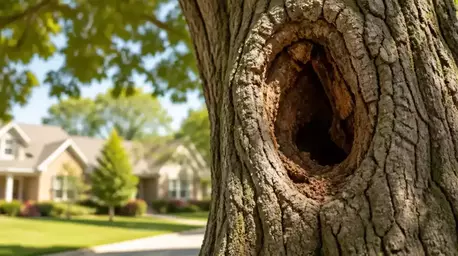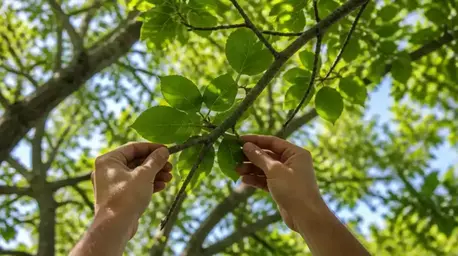
Regular Pruning
Schedule annual or biannual pruning sessions to maintain tree health, reducing risks from storm damage.
Understanding how to enhance the storm resilience of your trees can significantly impact their health and safety during adverse weather. With the right knowledge and preventive strategies, you can protect your landscape and enjoy peace of mind even in the stormiest conditions.
Here are essential techniques that significantly contribute to the safety and health of your trees during storms. For a more comprehensive guide on managing potential tree risks, consider exploring long-term tree risk management tips.
Schedule annual or biannual pruning sessions to maintain tree health, reducing risks from storm damage.
Hire an ISA certified arborist to evaluate your trees for potential hazards and ensure their resilience.
Stay informed about your tree species and their specific needs regarding storm preparedness.
Have a plan in place for your trees during severe weather events to mitigate risks and ensure safety.
As a tree safety expert at Safe Canopy Care, I often emphasize the importance of understanding how trees can withstand the forces of nature, especially during storm seasons. Storm resilience in trees involves not just their ability to survive high winds and heavy rain but also the proactive measures we can take to enhance their strength. The key is in recognizing the signs of vulnerability and taking action before the storm clouds gather.
One vital aspect of storm resilience is effective tree pruning. Proper pruning techniques can significantly reduce potential damage during severe weather, ensuring that your trees remain healthy and stable. Additionally, being aware of various storm threats to tree health is crucial in preparing your landscape for adverse weather conditions. So, let’s explore these concepts further!
Tree pruning is not just about aesthetics; it plays a crucial role in storm preparedness. By regularly inspecting and trimming your trees, you can help them withstand strong winds and heavy snow. Here are some key benefits of tree pruning:
At Safe Canopy Care, we teach homeowners how to recognize when pruning is needed and the right techniques to use. This proactive approach can save you from costly damage and ensure your trees remain resilient through all seasons! For more detailed advice, check out our guide on tree trimming for storm resilience.
Understanding the potential threats that storms pose to tree health is essential for effective management. Some common threats include:
To mitigate these risks, regular inspections can help identify vulnerable trees before a storm hits. For instance, as a tree safety expert, I frequently recommend looking for signs of decay or disease that could weaken a tree's structure. Taking these steps ensures that your landscaping remains both beautiful and safe!
Emergency preparedness is a vital part of storm resilience. It involves having a plan in place to respond to tree-related emergencies when they arise. Here are some steps you can take:
By incorporating these emergency preparedness strategies, you not only protect your property but also enhance your peace of mind. At Safe Canopy Care, we believe that preparation is key to enjoying your outdoor spaces without worry! Learn more about preparing trees for storm season.
Did you know? Regularly inspecting your trees after a storm can reveal hidden damage that may not be immediately visible. Look for cracks in the bark, broken branches, or signs of disease. Addressing these issues promptly can prevent further complications and enhance your trees' resilience against future storms!
Here are some common questions about enhancing tree storm resilience:
As we wrap up our discussion on tree storm resilience, it's important to highlight some key techniques that can significantly enhance the safety and health of your trees. Regular pruning is crucial. It not only improves the tree's structure but also reduces the risk of damage during storms. Additionally, implementing a thorough risk assessment can help identify vulnerabilities before they become problematic. Making these practices a part of your tree care routine is essential for peace of mind!
Here are some essential techniques to consider:
Regular pruning can make a world of difference! It not only helps in shaping your trees but also plays a vital role in maintaining their overall health. As a tree safety expert, I can’t stress enough how addressing tree hazards early can prevent costly damage down the line. When you prune, you’re not just cutting branches; you’re ensuring a safer environment for your family and property. For more insights on this, consider our guide to assessing tree health.
Incorporating regular risk assessments into your tree care routine is equally important. This proactive approach allows you to catch potential problems before they escalate. By working with professionals, like those at Safe Canopy Care, you can ensure that your trees are as resilient as possible!
I would love to hear from you! Have you had experiences with tree pruning that helped your property weather a storm? Perhaps you've noticed how certain trees in your yard respond to severe weather? Sharing these stories can help foster a community of learning and support around tree care and storm preparedness.
Consider reaching out to fellow homeowners or even engaging on social media. Your experiences could inspire someone else to take action with their tree care! Together, we can promote safer outdoor spaces and learn from each other's journeys.
Now that you’re equipped with knowledge about tree storm resilience, it’s time to take action! Don’t wait for the next storm to evaluate your trees. Proactive steps can mean the difference between a safe landscape and a risky one. To help you get started, read about storm-ready landscaping tips.
One of the best decisions you can make for your trees is to consult with a certified arborist. They bring valuable expertise to the table, allowing you to make informed decisions about your tree care. At Safe Canopy Care, we are dedicated to providing professional guidance tailored to your specific needs. Whether it's pruning, risk assessments, or emergency strategies, we’re here to help!
If you enjoy hands-on work, there are plenty of resources available for DIY tree care! You can find informative videos, articles, and guides that teach you effective pruning techniques and maintenance practices. Just remember to approach tree care with caution and understand your skill level before attempting complex tasks.
Here are some great resources to get you started:
Sustainable practices in tree care not only benefit your trees but also contribute to a healthier environment. When choosing how to care for your trees, consider using organic fertilizers and pest management methods. These practices help maintain tree health while minimizing harm to the surrounding ecosystem.
Additionally, planting native species can improve storm resilience, as they are often better adapted to local conditions. By making conscious choices about tree care, you’re not just protecting your property; you’re also investing in the future of our planet!
Here is a quick recap of the important points discussed in the article:
Evelyn Hartman is a dedicated tree safety expert with over a decade of experience in the arboriculture industry. With a passion for protecting homes and properties, Evelyn specializes in proactive tree safety measures, storm preparedness, and emergency response. She is committed to educating homeowners about the importance of tree care and risk prevention, ensuring that families can enjoy their outdoor spaces with peace of mind.