Fallen Branches
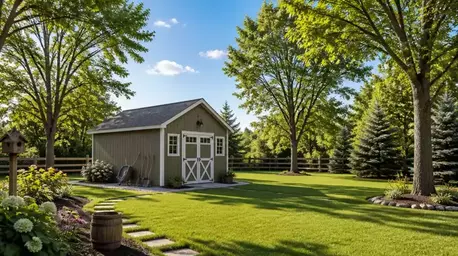
High winds can break branches, causing potential damage to roofs, cars, or power lines.
Did you know that trees can act as natural barriers against severe weather? Their ecological benefits go beyond aesthetics, playing a crucial role in protecting your property during storms. Understanding how to care for and assess your trees can make all the difference when severe weather strikes.
Understanding how severe weather impacts trees is crucial for effective management and preparedness. Below are key effects that storms have on trees and property.
High winds can break branches, causing potential damage to roofs, cars, or power lines.
Saturated soil can weaken root systems, causing trees to topple and result in significant damage.
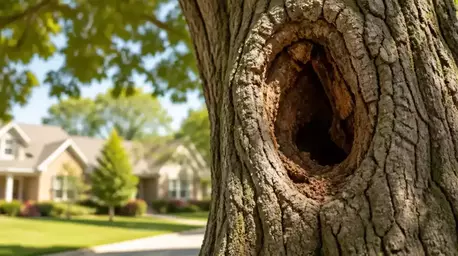
Damaged trees can attract pests, leading to further health issues and potential removal.
Trees can slow down the wind, decreasing its intensity and providing protection for properties.
Well-rooted trees can absorb significant amounts of rainwater, reducing runoff and flooding.
Trees provide shelter for wildlife, promoting a balanced ecosystem that can withstand weather fluctuations.
As storms roll in, many homeowners often overlook the impact that severe weather can have on their trees and property. Trees, while beautiful and beneficial, can also pose risks during harsh conditions. Understanding the effects of severe weather on trees is essential for safeguarding both your landscape and your home.
When strong winds and heavy rain arrive, they can cause significant damage to trees, leading to fallen branches or even uprooted trees. This can result in property damage, personal injury, and costly repairs. Taking a proactive approach to tree care can help mitigate these risks and protect your home. In my experience with Safe Canopy Care, I've seen how preparedness can make all the difference in outcomes during storm events. For more insights on how to prepare your trees, consider reading our guide on preparing trees for storm season.
Severe weather events can be incredibly damaging not just to the trees themselves, but to your entire property. Here are some ways that storms impact trees and surroundings:
By recognizing these dangers, homeowners can act before storms hit, ensuring their trees stand strong against the elements. This means more than just keeping your trees trimmed; it’s about understanding their vulnerabilities and preparing accordingly.
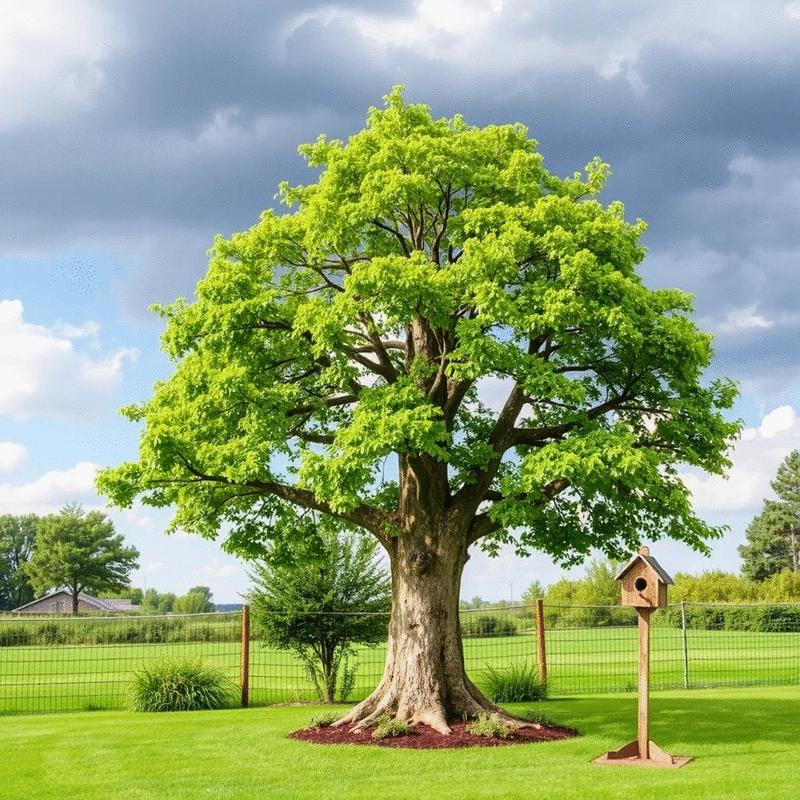
Trees aren't just beautiful elements of our landscape; they play a crucial role in mitigating storm impacts. When strategically placed, they can act as natural barriers against wind and water. Their root systems help to stabilize the soil, reducing erosion and flooding.
Moreover, trees provide shade and cooling, which can lower energy costs during hot weather. They also improve air quality, making our neighborhoods healthier places to live. Here’s how trees contribute during storm events:
In essence, well-maintained trees not only enhance our properties but also bolster our defenses against severe weather. Understanding this ecological role allows us to appreciate our trees more while taking the necessary steps to protect them—and ourselves—from the stormy days ahead. For comprehensive information on how to protect your trees, check out our article on protecting trees from storm damage.
Here's a brief recap of the key points discussed so far:
Here are some common questions about trees and severe weather:
After a storm has passed, it’s crucial to assess the damage to your trees. As someone who has witnessed the aftermath of severe weather firsthand, I can tell you that trees can often surprise us with their resilience. However, some may suffer from damaged branches or compromised health. Knowing how to evaluate your trees properly can make a significant difference in their recovery.
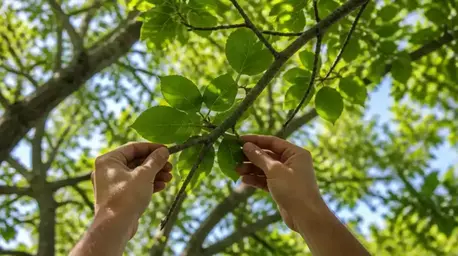
Start by looking for visible signs of damage, such as broken branches, leaning trees, or exposed roots. These indicators can help you determine the next steps you need to take. I recommend looking closely at the tree's trunk and canopy, as well as the surrounding area for fallen debris. The quicker you assess the situation, the better chance your trees have for a full recovery. To learn more about identifying potential hazards, review our dangerous trees identification guide.
When you begin your damage assessment, keep these steps in mind:
Once you gather this information, you can formulate a plan for the next steps. Remember, every tree is unique, and knowing how to interpret its condition is key. If you're unsure, it's wise to enlist the help of a certified arborist!
After assessing the damage, it might be time to consider filing an insurance claim. Many homeowners don't realize that their policies may cover tree damage, especially if it leads to property damage. Here’s a quick checklist for navigating this process:
Taking these steps can significantly ease the financial burden of storm recovery, allowing you to focus on restoring the beauty of your landscape.
Once you've managed the assessment and claims process, it's time to focus on restoration techniques. The road to recovery can vary based on the extent of damage, but here are some effective strategies:
Each of these steps can significantly enhance the chances of full recovery for your trees. At Safe Canopy Care, I always emphasize the importance of tailored care plans, as every tree will require a unique approach based on its specific needs. If you need assistance finding qualified professionals, a tree service directory can be a valuable resource.
Sometimes, despite our best efforts, trees may be too damaged to recover. In such cases, understanding when to remove a tree is vital. Here’s how to manage the process:
Choosing the right approach can make all the difference in your landscape’s overall health. And remember, I’m here to help guide you through these tough decisions!
Maintaining tree safety isn’t just about storm preparedness; it’s about creating a long-term care strategy. If you’re unsure where to start, I encourage you to consider the cost of DIY versus professional tree maintenance services. Investing in proper care can save you money in the long run by preventing costly damages from hazardous trees.
Let’s also not forget our role in adapting to climate change. By caring for our trees responsibly, we contribute to a healthier environment. I urge you to think about your own tree care practices and consider reaching out to professionals for a tree risk assessment today. Together, we can build a safer community for everyone! For ongoing maintenance advice, explore our tips on long-term tree risk management.
Here is a quick recap of the important points discussed in the article:
Evelyn Hartman is a dedicated tree safety expert with over a decade of experience in the arboriculture industry. With a passion for protecting homes and properties, Evelyn specializes in proactive tree safety measures, storm preparedness, and emergency response. She is committed to educating homeowners about the importance of tree care and risk prevention, ensuring that families can enjoy their outdoor spaces with peace of mind.