Tree Pruning for Safety Management
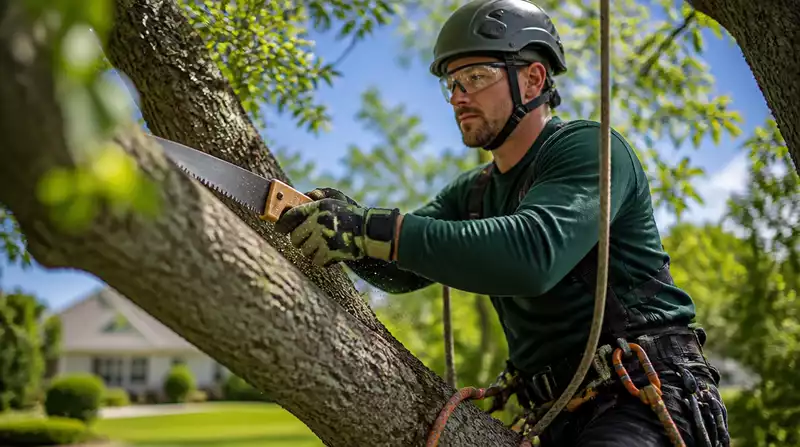
Tree pruning is not just a chore; it's a vital practice that can safeguard your home and loved ones. As storms become more unpredictable and tree health declines, enhancing your knowledge about tree maintenance is essential for safety management.
What You Will Learn
- Tree pruning is crucial for risk management, helping to prevent hazards like falling branches and tree collapses.
- Regular assessments and pruning can significantly enhance tree health, resilience, and overall safety.
- Recognizing symptoms of hazardous trees, such as cracks and dead branches, is key to timely intervention.
- Implementing best practices like thinning and structural pruning enhances tree stability and reduces competition among branches.
- Understanding the appropriate time for pruning versus removal can prevent unnecessary risks and damages to property.
- Using proper personal protective equipment (PPE) and tools is paramount for safety during tree maintenance work.
- Regular post-pruning inspections are essential for identifying new risks and ensuring the tree's ongoing health.
- Engaging professional arborists not only ensures effective pruning techniques but also helps avoid costly emergencies.
Key Takeaways on Tree Pruning for Risk Management
Understanding the importance of tree pruning is essential for maintaining safety and enhancing the health of trees. Below are critical points summarized for easy reference:
Risk Reduction
Regular pruning minimizes the chances of falling branches.
Health Enhancement
Pruning contributes to the overall health of trees, making them more resilient to storms.
Professional Insight
Engaging with certified arborists ensures proper techniques are used, enhancing safety.
Cost Efficiency
Proactive pruning can prevent costly damage and liability issues in the future.
Understanding the Importance of Tree Pruning for Safety Management
When it comes to maintaining the safety of your property, tree pruning plays a crucial role. At Safe Canopy Care, we believe that understanding the significance of tree pruning extends beyond aesthetics; it’s about keeping your home and family safe from potential hazards. Pruning is not just about trimming branches—it's a vital part of a comprehensive safety management strategy.
What is Tree Pruning and Why is it Crucial for Safety?
Tree pruning involves selectively removing certain parts of a tree, such as branches or roots, to improve its health and safety. This practice is essential for preventing risks associated with overgrown or damaged trees. By understanding the importance of tree pruning, you can help manage risks effectively and ensure your outdoor spaces remain safe for your loved ones.
Defining Tree Pruning in Context of Risk Management
In the context of risk management, tree pruning serves as both a preventative and proactive measure. It allows homeowners to maintain trees in a manner that minimizes potential hazards, such as falling branches or entire tree collapses during storms. By regularly assessing and pruning trees, you create a safer environment for both your family and your property.
How Pruning Contributes to Reduced Tree Hazards
Pruning contributes to reducing tree hazards in several significant ways:
- Removes Dead or Diseased Branches: This prevents decay from spreading and reduces the likelihood of branch failure.
- Improves Airflow and Sunlight: Healthy trees need proper airflow and sunlight to thrive, and pruning aids in achieving this.
- Encourages Strong Growth: By selectively trimming, you can shape the tree in a way that promotes robust structural integrity.
The Relationship Between Tree Risk Assessment and Pruning Practices
A key aspect of tree safety management is the relationship between regular risk assessment and tree pruning practices. Conducting thorough assessments allows you to identify any potential hazards that could endanger your property. At Safe Canopy Care, we emphasize the importance of integrating risk assessments with your pruning routine.
Identifying Hazard Trees: Symptoms and Signs
Recognizing the symptoms of hazardous trees is essential for prompt action. Some warning signs include: identifying hazardous tree warning signs is crucial for proactive safety.
- Cracks or Splits: Look for visible cracks in the trunk or large branches.
- Dead or Dying Branches: Branches that lack foliage or have brittle twigs should be addressed.
- Root Issues: Check for exposed roots, decay, or root rot, which can compromise stability.
Evaluating Risk: The Role of Tree Pruning in Mitigation
Pruning plays a proactive role in mitigating risks associated with hazardous trees. By assessing the specific needs of your trees and implementing regular pruning, you can:
- Reduce Wind Resistance: Properly pruned trees can withstand stronger winds.
- Enhance Visibility: Clearing branches away from power lines or pathways improves safety for everyone.
- Maintain Tree Structure: Encouraging a balanced structure reduces the likelihood of failure.
Best Practices for Safe Tree Pruning
At Safe Canopy Care, we advocate for best practices in tree pruning to ensure the safety of both homeowners and trees. Following proper techniques not only enhances tree health but also minimizes risks associated with improper cutting.
Pruning Techniques to Enhance Tree Safety
Here are some effective pruning techniques to enhance tree safety:
- Thinning: Removing select branches to improve air circulation and light penetration.
- Reduction: Cutting back branches to decrease the overall size and weight of the tree.
- Deadwooding: Removing dead branches to prevent decay and falling hazards.
Structural Pruning: Enhancing Tree Health and Safety
Structural pruning focuses on shaping the tree for optimal health and stability. By engaging in this practice, you can:
- Promote Stronger Branch Angles: Favorable angles lead to a sturdier tree structure.
- Encourage Even Growth: This helps maintain balance, reducing the risk of falling.
- Minimize Competition: By pruning, you allow the strongest branches to thrive.
When Pruning is Sufficient vs. When to Consider Removal
Understanding when to prune and when to consider removal is crucial. Here are some guidelines to help:
- Prune: When a tree shows minor damage or is not posing immediate risk.
- Consider Removal: If the tree is severely damaged, diseased, or poses an imminent danger to your property.
Safety Protocols in Tree Work: Ensuring Protection for Workers and the Public
Ensuring safety during tree work is paramount. As a certified tree safety expert, I emphasize the importance of following safety protocols to protect both workers and the public.
Personal Protective Equipment (PPE) and Work Zone Safety
Using appropriate personal protective equipment (PPE) is vital for anyone involved in tree work. Essential PPE includes: tree safety and risk prevention tips should always be followed.
- Hard hats to protect from falling debris.
- Gloves for hand protection against cuts and scrapes.
- Safety goggles to shield eyes from sawdust and branches.
Chainsaw Safety and Pruning Saws: Essential Tools for Safe Practices
Using the right tools is key to safe tree pruning. Here are some important tools and their safe usage tips:
- Chainsaws: Always wear protective gear and follow manufacturer instructions.
- Pruning Saws: Ensure they are sharp and used with care to prevent accidents.
Communication Strategies and Exclusion Zones during Pruning
Effective communication is essential during tree work. Establishing exclusion zones around the work area helps keep everyone safe. Here are some strategies:
- Clearly mark off areas where work is taking place.
- Inform nearby residents about potential hazards during pruning.
- Use hand signals or radios for clear communication among team members.
Following Up: Monitoring and Maintenance Post-Pruning
After pruning, it’s important to monitor and maintain trees to ensure ongoing safety. Regular checks can help identify any new risks that may arise. For more details on this, you can refer to assessing tree health and safety.
Importance of Regular Inspections After Pruning
Regular inspections post-pruning allow you to:
- Check for signs of stress in the tree.
- Ensure that pruning cuts are healing properly.
- Identify any new growth that may need attention.
Pruning Frequency Based on Tree Species and Seasonal Changes
The frequency of pruning largely depends on the type of tree and seasonal changes. Consider the following:
- Deciduous Trees: Often require pruning in late winter or early spring.
- Evergreen Trees: May need trimming during late spring or early summer.
Tree Assessment: Evaluating Health After Pruning
After pruning, assessing the overall health of the tree ensures it continues to thrive. This includes checking:
- Leaf development for signs of vigor.
- Structural integrity of remaining branches.
By prioritizing tree pruning and safety management, you are taking significant steps towards protecting your home and loved ones, a value we hold dearly at Safe Canopy Care. So, let's work together to keep our canopies safe and secure!
Pro Tip
Did you know? Regularly scheduled tree inspections can significantly reduce the risk of tree-related hazards. Make it a habit to assess your trees at least twice a year, ideally in early spring and late fall, to catch any potential issues before they become dangerous!
Conclusion: Making Informed Decisions on Tree Pruning and Safety
As we wrap up our discussion on tree pruning, it's essential to recognize that informed decisions can significantly impact the safety of our properties. By understanding the importance of tree pruning, we not only enhance our outdoor spaces but also protect our loved ones from potential hazards. After all, proactive tree care is a key part of effective risk management and can save us from costly emergencies down the road!
One of the biggest takeaways is the role of professional arborists in ensuring tree safety. Experts like myself at Safe Canopy Care are trained to assess tree conditions accurately and implement the right pruning techniques. We are dedicated to helping homeowners identify hazardous trees and understand when to call for assistance—because sometimes, knowing when to ask for help is just as important as the pruning itself.
Summarizing the Key Takeaways on Tree Pruning for Risk Management
In essence, tree pruning is not just about aesthetics—it's about safety! Here are the critical points to remember:
- Risk Reduction: Regular pruning minimizes the chances of falling branches.
- Health Enhancement: Pruning contributes to the overall health of trees, making them more resilient to storms.
- Professional Insight: Engaging with certified arborists ensures proper techniques are used, enhancing safety.
- Cost Efficiency: Proactive pruning can prevent costly damage and liability issues in the future.
Understanding cost implications and potential liability in tree management is also vital. While it may seem tempting to handle pruning on your own, the risks involved may lead to unforeseen expenses. By partnering with professionals, you can avoid the headache of unexpected damages and ensure your property remains safe.
Frequently Asked Questions about Tree Pruning and Safety
As a tree safety expert, I often encounter a few common questions that many homeowners have about tree pruning. Here are some insights that might help you:
How Does Tree Pruning Improve Overall Safety?
Pruning removes weak or dead branches that can pose risks during storms or high winds. It also helps improve tree structure, making it less likely to suffer from failure.
What Types of Branches Should Be Removed for Safety?
Look for:
- Dead or Dying Branches: These can easily snap and fall.
- Crowded Branches: When branches rub against each other, they can create wounds.
- Weak or Cracked Branches: These branches are more likely to break under stress.
How Often Should Tree Pruning for Safety be Performed?
Generally, it's advisable to have trees inspected and pruned at least once a year. However, the frequency can vary based on tree species and environmental conditions.
The Importance of Tree Maintenance and Monitoring
Regular monitoring after pruning ensures that your trees remain healthy. Evaluating their growth and any changes helps catch potential issues early, keeping your property safe.
Encouraging Responsible Tree Care Practices
To wrap things up, I encourage every homeowner to adopt responsible tree care practices. Educating ourselves and actively participating in tree maintenance can make a significant difference. Here are some resources to get you started:
Resources for Homeowners: Choosing Qualified Arborists
Look for arborists who have the following credentials:
- ISA (International Society of Arboriculture) certification
- Good reviews from local customers
- Insurance coverage for liability
Practical Checklist for Property Owners on Tree Risk Management
Consider these steps:
- Conduct regular tree inspections
- Schedule professional pruning as needed
- Document any tree maintenance activities
Understanding Urban Forestry and Community Tree Care
Participating in local urban forestry programs can enhance community safety. Collaborative efforts can lead to better tree health and a lower risk of hazards, benefiting everyone!
Incorporating these practices into your routine can lead to a safer environment for you and your family. Together, we can create a culture of safety, one tree at a time! If you're ready to take the next steps in tree care, don’t hesitate to reach out to Safe Canopy Care for expert advice and guidance!
Recap of Key Points
Here is a quick recap of the important points discussed in the article:
- Tree Pruning Importance: Essential for safety management and preventing hazards associated with overgrown or damaged trees.
- Regular Risk Assessments: Integrate risk assessments with pruning practices to identify and mitigate potential hazards.
- Pruning Techniques: Utilize thinning, reduction, and deadwooding to enhance tree health and safety.
- Recognizing Hazard Trees: Look for symptoms like cracks, dead branches, and root issues to assess tree health.
- Safety Protocols: Employ personal protective equipment (PPE) and establish clear communication strategies during tree work.
- Post-Pruning Monitoring: Regularly inspect trees after pruning for signs of stress and overall health.
- Engaging Professionals: Collaborate with certified arborists for accurate assessments and effective pruning techniques.

Evelyn Hartman
Evelyn Hartman is a dedicated tree safety expert with over a decade of experience in the arboriculture industry. With a passion for protecting homes and properties, Evelyn specializes in proactive tree safety measures, storm preparedness, and emergency response. She is committed to educating homeowners about the importance of tree care and risk prevention, ensuring that families can enjoy their outdoor spaces with peace of mind.
Popular Posts
Tree Risk Management for Outbuildings
![Tree Risk Management for Outbuildings]() ##
Have you ever considered how the trees around your property could impact the safety of your outbu
##
Have you ever considered how the trees around your property could impact the safety of your outbu
 ##
Have you ever considered how the trees around your property could impact the safety of your outbu
##
Have you ever considered how the trees around your property could impact the safety of your outbu
Tree Cavities and Structural Safety
![Tree Cavities and Structural Safety]() Have you ever wondered how the health of a tree can directly impact your property’s safety? Unders
Have you ever wondered how the health of a tree can directly impact your property’s safety? Unders
 Have you ever wondered how the health of a tree can directly impact your property’s safety? Unders
Inspecting Tree Canopies for Safety
![Inspecting Tree Canopies for Safety]() As severe weather approaches, the safety of your property hangs in the balance. By understanding the
As severe weather approaches, the safety of your property hangs in the balance. By understanding the
 As severe weather approaches, the safety of your property hangs in the balance. By understanding the
Tree Safety Tips for Driveways
![Tree Safety Tips for Driveways]() Ensuring the safety of your home extends beyond its walls, particularly when it comes to the trees s
Ensuring the safety of your home extends beyond its walls, particularly when it comes to the trees s
 Ensuring the safety of your home extends beyond its walls, particularly when it comes to the trees s
