Landscaping Safely Around Established Trees
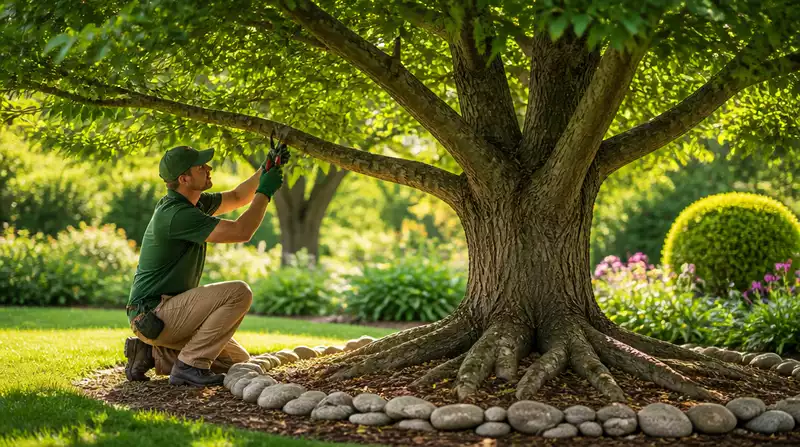
What if the key to a vibrant yard lies in how you care for the trees? Understanding the right landscaping practices around large, established trees not only beautifies your space but also ensures their health and longevity. Here are the vital lessons you will take away from this article.
What You Will Learn
- Prioritizing root protection is essential for maintaining the health of mature trees during landscaping.
- Assessing the health of your trees is crucial before making any significant landscaping changes.
- Soil health, including pH levels, plays a critical role in tree growth and overall landscape success.
- Incorporating safe landscaping techniques enhances property aesthetics while promoting tree longevity.
- Recognizing the unique requirements of different tree species helps tailor your landscaping approach effectively.
- Avoiding harmful practices such as soil compaction and chemical treatments protects tree roots from damage.
Key Takeaways for Safe Landscaping Around Large Established Trees
Understanding the essential practices for maintaining tree health and property value while landscape designing around your trees.
Tree Health
Healthy trees contribute to air quality and provide shade, enhancing your outdoor living space.
Property Value
Well-maintained trees enhance the value of your property, providing a return on investment.
Environmental Benefits
Trees support biodiversity and provide habitat for wildlife, essential for a balanced ecosystem.
Root Protection
Prioritize root protection by avoiding heavy equipment and limiting soil disturbance.
Understanding Safe Landscaping Around Large Established Trees
Safe landscaping around large, established trees is crucial for maintaining their health and ensuring the safety of your property. By understanding how to landscape effectively, you can create a beautiful outdoor space while protecting your trees from potential harm. As a tree safety expert, I often emphasize that well-planned landscaping practices not only enhance the aesthetics of your yard but also promote the longevity and stability of your trees.
One of the first steps in safe landscaping is recognizing the importance of practices that prioritize the well-being of mature trees. Harmful landscaping activities can lead to tree stress, root damage, and even decline. By integrating tree care into your landscaping designs, you can cultivate an environment where both the plants and trees thrive! If you're looking for professional assistance, remember to use a tree service directory to find qualified experts.
Defining the Importance of Safe Landscaping Practices
Safe landscaping practices protect not just the trees, but also your investment in your yard. These practices help ensure that the trees remain healthy, which is essential for the overall ecosystem of your property. When you prioritize tree safety, you can prevent issues such as falling branches or tree failure that could lead to property damage.
It's beneficial to consider the following key points on safe landscaping:
- Tree Health: Healthy trees contribute to air quality and provide shade.
- Property Value: Well-maintained trees enhance the value of your property.
- Environmental Benefits: Trees support biodiversity and provide habitat for wildlife.
Identifying the Needs of Mature Trees in Landscaping
Mature trees have unique needs that must be considered during landscaping. Understanding these needs can help you design a landscape that complements your trees while safeguarding their health. Factors such as soil quality, water availability, and sunlight exposure play vital roles in the success of both your trees and your landscape.
Some important considerations for mature trees include:
- Soil Quality: Ensure that the soil is rich and well-draining.
- Water Availability: Regularly check moisture levels, especially during dry times.
- Sunlight Exposure: Be aware of how much light the tree and surrounding plants need.
Understanding Tree Species and Their Unique Requirements
Every tree species has its own set of requirements that you must consider when landscaping. Some trees thrive in certain soil types, while others have specific water needs. By understanding the species you have, you can create a tailored care plan that meets their individual needs.
For instance, oak trees prefer deep, loamy soils, whereas pines are more adaptable to sandy soils. It is essential to identify the species on your property to give them the best chance of thriving. Remember, knowledge is power, and it can make all the difference in tree health!
Pro Tip
When planning your landscaping around large trees, consider using mulch as a protective barrier. Mulch helps retain moisture, regulates soil temperature, and provides nutrients as it decomposes. Just be sure to keep the mulch away from the tree trunk to prevent rot and allow air circulation!
Addressing Common Queries About Safe Landscaping Practices
As a tree safety expert at Safe Canopy Care, I often encounter questions from homeowners about how to best protect their cherished trees while maintaining an attractive landscape. Understanding these common queries can help ensure that your landscaping efforts support the health of your trees rather than hinder them. Let’s dive into some frequently asked questions that I find particularly relevant when it comes to safe landscaping practices!
Frequently Asked Questions Regarding Root Protection and Landscaping
One of the most critical areas to consider when landscaping around established trees is protecting their roots. Many homeowners wonder about the best methods to avoid damage while still achieving a beautiful outdoor space. Here are some vital questions I often hear:
What to Avoid When Landscaping Around Established Trees?
To ensure the health of your trees, it's essential to steer clear of practices that can damage their root systems. Here are a few things to avoid:
- Avoid Compaction: Heavy equipment can compact the soil, limiting oxygen and water access to roots.
- Minimize Digging: Disturbing the soil and root zone can lead to stress and potential damage.
- Stay Clear of Chemical Treatments: Pesticides and herbicides can adversely affect tree health when applied near roots.
By avoiding these common pitfalls, you can help ensure your trees remain healthy and thriving amidst your landscaping efforts.
How to Assess the Health of Your Large Trees Before Landscaping?
Before diving into landscaping projects, it's crucial to evaluate your trees' health. Here are some steps you can take:
- Inspect the Leaves: Look for discoloration or wilting, which may indicate stress.
- Check the Trunk: Examine for cracks, decay, or signs of insect infestations.
- Assess Root Stability: Gently pull back surface mulch to inspect roots and ensure stability.
By performing these checks, you’ll be more informed about your tree's condition, helping you make better landscaping choices. You might also want to look into assessing tree health and safety for a comprehensive guide.
How Can Soil pH Affect Tree Growth and Health?
The pH level of your soil plays a pivotal role in a tree's ability to absorb nutrients. Here's how it can influence tree health:
- Acidic Soils: Trees may struggle with nutrient uptake, leading to deficiencies.
- Alkaline Soils: Some nutrients can become unavailable, affecting growth.
- Ideal pH Range: Most trees thrive in slightly acidic to neutral soil (pH 6-7).
Understanding your soil's pH can help you amend it properly, ensuring your trees have the best chance of thriving in their environment!
Frequently Asked Questions (FAQs)
Q: Why is root protection so important when landscaping around mature trees?
A: Root protection is crucial because the roots are essential for a tree's stability, nutrient uptake, and water absorption. Damage to the root system can lead to stress, disease, and even the decline of the tree. Avoiding compaction, excessive digging, and chemical treatments helps safeguard this vital system.
Q: How can I tell if my large tree is healthy before starting a landscaping project?
A: Before landscaping, inspect your tree's leaves for discoloration or wilting, check the trunk for cracks, decay, or insect infestations, and gently assess root stability by pulling back surface mulch. These checks provide valuable insights into your tree's overall health and help you make informed landscaping decisions.
Q: What are the main environmental benefits of healthy trees in my yard?
A: Healthy trees offer numerous environmental benefits, including improved air quality, shade provision, support for biodiversity, and habitat for wildlife. They contribute significantly to a balanced ecosystem and enhance the overall health of your outdoor living space.
Q: How does soil pH impact tree growth, and what is the ideal range?
A: Soil pH profoundly affects a tree's ability to absorb nutrients. Acidic soils can hinder nutrient uptake, while alkaline soils can make some nutrients unavailable. Most trees thrive in a slightly acidic to neutral soil range (pH 6-7). Understanding your soil's pH allows for proper amendments to support optimal tree health.
Q: What are some sustainable landscaping practices I can adopt around my trees?
A: Sustainable practices include using native plants, minimizing chemical use, promoting biodiversity, and employing mulch as a protective barrier around trees. These methods not only beautify your property but also create a healthier ecosystem and contribute to the long-term well-being of your trees and the environment.
Concluding Thoughts on Sustainable Landscaping Around Mature Trees
As we wrap up this discussion on safe landscaping practices, it’s essential to remember that the health of your trees is closely tied to your landscaping choices. Prioritizing safe techniques not only enhances your property’s beauty but also protects the integrity of those majestic trees that provide shade and habitat.
Summarizing Key Takeaways for Safe Landscaping
Here are some key takeaways to keep in mind:
- Always prioritize root protection while landscaping.
- Assess tree health before making significant changes to your landscape.
- Consider soil health, including pH, when planning plantings and renovations.
Encouraging Responsible Practices for Long-Term Tree Health
At Safe Canopy Care, I believe that responsible landscaping practices are vital for the longevity of our trees and the beauty of our outdoor spaces. By taking the time to understand the needs of your trees, you can create a landscape that truly flourishes! For comprehensive information on maintaining your trees, check out these practical tree care for safety tips.
Advocating for Environmental Sustainability in Landscaping Practices
Finally, let’s advocate for sustainable landscaping practices that not only beautify our homes but also protect the environment. Using native plants, minimizing chemical use, and promoting biodiversity can create a healthier ecosystem right in your backyard. Together, we can ensure our landscapes thrive alongside our beautiful trees! It's also wise to consider tree trimming for storm resilience to further protect your property.
Recap of Key Points
Here is a quick recap of the important points discussed in the article:
- Prioritize Tree Health: Safe landscaping practices are essential for maintaining the health and longevity of mature trees.
- Understand Tree Needs: Recognize the unique requirements of mature trees, including soil quality, water availability, and sunlight exposure.
- Avoid Common Pitfalls: Steer clear of heavy compaction, excessive digging, and harmful chemical treatments around tree roots.
- Assess Tree Health: Regularly inspect leaves, trunks, and roots to evaluate the health of your trees before landscaping.
- Soil pH Awareness: Understand and amend soil pH to support optimal nutrient uptake for tree health.
- Advocate for Sustainability: Embrace responsible landscaping practices that promote biodiversity and minimize chemical usage.

Evelyn Hartman
Evelyn Hartman is a dedicated tree safety expert with over a decade of experience in the arboriculture industry. With a passion for protecting homes and properties, Evelyn specializes in proactive tree safety measures, storm preparedness, and emergency response. She is committed to educating homeowners about the importance of tree care and risk prevention, ensuring that families can enjoy their outdoor spaces with peace of mind.
Popular Posts
Landscaping Safely Around Established Trees
![Landscaping Safely Around Established Trees]() What if the key to a vibrant yard lies in how you care for the trees? Understanding the right landsc
 What if the key to a vibrant yard lies in how you care for the trees? Understanding the right landsc
Inspecting Trees for Hidden Damage
![Inspecting Trees for Hidden Damage]() Did you know that many tree issues lie hidden beneath the surface, waiting to pose serious risks to
 Did you know that many tree issues lie hidden beneath the surface, waiting to pose serious risks to
Safeguarding Roots in Wet Weather
![Safeguarding Roots in Wet Weather]() Did you know that wet weather can drastically affect the health of tree roots? Understanding the nua
 Did you know that wet weather can drastically affect the health of tree roots? Understanding the nua
Leaning Trees: Safety Risks Explained
![Leaning Trees: Safety Risks Explained]() As storms become more frequent and intense, your trees are more vulnerable than ever. Understanding
 As storms become more frequent and intense, your trees are more vulnerable than ever. Understanding
