Essential Seasonal Tree Care Tips
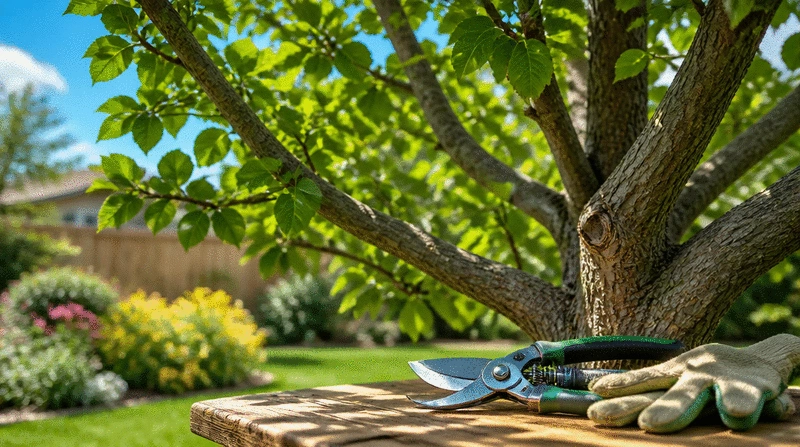
Are you aware that proactive tree care can significantly reduce risks associated with storm damage and falling branches? Understanding the seasonal needs of your trees not Pre-storm pruning, mulching, and assessing root stability are key tasks to ensure your trees withstand winter's challenges.only protects your property but also ensures the safety of your loved ones. Dive into these essential tips for maintaining tree health throughout the year!
What You Will Learn
- Regular inspections are crucial to identify potential hazards and ensure tree safety.
- Proper pruning techniques encourage healthy growth and prevent weak branches from becoming dangerous.
- Understanding seasonal challenges—like heat stress in summer or snow damage in winter—can help you take timely action for your trees.
- Healthy soil is essential for tree vitality, supporting moisture retention and nutrient provision.
- Homeowners can play an active role in tree health by conducting regular inspections and seeking professional help when needed.
- Engagement in community programs can enhance tree wellness and foster environmental connections.
Seasonal Tree Care Steps for Hazard Prevention
The following visual outlines key steps to maintain tree health through the seasons to prevent hazards. For more comprehensive strategies on long-term tree management, consider reviewing long-term tree risk management tips.
Spring Care
- Inspect: Look for weak limbs and dead branches.
- Prune: Encourage healthy growth.
- Fertilize: Boost vitality for the growing season.
Summer Care
- Water: Ensure trees receive enough moisture.
- Monitor: Watch for signs of heat stress like wilting leaves.
- Pest Control: Manage pests effectively.
Fall Care
- Pre-Storm Pruning: Remove weak branches.
- Mulch: Protect roots from freezing.
- Assess Stability: Check roots for strength.
Winter Care
- Shake Off Snow: Prevent branch breakage.
- Wrap Trunks: Protect against cold.
- Remove Ice: Safely clear branches.
Essential Seasonal Tree Care Tips for Effective Hazard Prevention
Understanding the Importance of Seasonal Tree Care
Have you ever thought about how essential seasonal tree care is for preventing hazards? At Safe Canopy Care, we know that keeping your trees healthy can significantly reduce the risk of storm damage and falling branches. By being proactive with tree maintenance, you can help protect not only your property but also your loved ones!
During each season, trees face different challenges that can lead to safety risks. Regular care and attention can help mitigate these dangers. By understanding the specific needs of your trees throughout the year, you can ensure they remain strong and resilient against nature's unpredictability.
Key Factors for Tree Safety and Maintenance
When considering tree health and safety, several primary factors come into play. These include regular inspections, proper pruning practices, and appropriate watering techniques. By focusing on these elements, you can create a robust care routine for your trees. For more insights into safeguarding your property, explore our safety through proactive tree care guide.
- Regular Inspections: Checking your trees routinely helps you spot potential hazards early.
- Pruning Practices: Proper pruning encourages healthy growth and helps prevent weak branches from becoming a danger.
- Watering Techniques: Ensuring your trees receive adequate moisture is crucial for their overall health.
By keeping these factors in mind, you can set your trees up for success and minimize any risks. Remember, a little care goes a long way in maintaining your outdoor environment!
Seasonal Care Guidelines for Optimal Tree Health
Spring: Revitalize Your Trees for the Growing Season
As spring arrives, it's time to revitalize your trees for the growing season ahead! Essential tasks, such as inspections, pruning, and fertilization, will ensure that your trees are primed for vitality. Early preparation can make a world of difference as your trees begin to flourish.
Inspect for Storm Damage and Hazardous Conditions
It's crucial to inspect your trees after winter has passed. Look for signs of weak limbs, dead branches, and any potential hazards that could pose a risk during storms. Early detection can help you address issues before they escalate.
- Examine tree trunks for cracks or signs of decay.
- Check branches for any dead or broken parts.
- Assess root systems for stability and strength.
By completing these tasks, you can ensure your trees are not only healthy but also safe for the season ahead!
Summer: Protect Your Trees from Heat Stress
Summer brings its own set of challenges, especially heat stress! It's important to prioritize watering, manage heat stress effectively, and keep an eye on pests. These practices will help your trees thrive during the warmer months.
Recognizing Signs of Tree Distress
Being vigilant about your trees’ health can prevent more severe issues down the line. Watch for signs like wilting leaves, leaf drop, or discoloration. If you notice these indicators, consider adjusting your care routine. For a deeper understanding, check out our guide on dangerous trees identification guide.
- Wilting leaves: This could indicate dehydration.
- Leaf drop: An early sign of stress or pest issues.
- Discoloration: Look for unusual color changes that may signal a problem.
Taking action early can save your tree from significant distress and help maintain its beauty throughout the summer!
Fall: Prepare Trees for Winter Challenges
As fall approaches, it's time to prepare your trees for the winter challenges that lie ahead. Tasks like pre-storm pruning, mulching, and root preparation are vital for ensuring your trees remain strong during the cold months.
Implementing Storm Risk Assessments
Before winter rolls in, it’s essential to assess tree stability and potential risks. Taking a few moments to evaluate your trees can make a big difference in preventing storm-related damage.
- Inspect for weak branches that could snap in heavy winds.
- Check root systems to ensure they can withstand winter storms.
- Consider mulching to protect roots from freezing temperatures.
By following these steps, you can help your trees weather the winter with confidence!
Winter: Safeguarding Trees Against Cold Weather Hazards
Winter presents unique challenges for trees, so safeguarding them against cold weather hazards is crucial. Winter-specific care, like dormant pruning, trunk wrapping, and protection against salt injury, will help your trees survive the harsh conditions.
Preventing Damage from Snow and Ice
Heavy snow and ice accumulation can severely stress your trees. Taking proactive measures can minimize damage significantly.
- Shake off heavy snow: Gently shake snow from branches to prevent breakage.
- Remove ice buildup: Carefully remove ice from branches if safe to do so.
- Wrap trunks: Use protective wrapping to shield against extreme cold.
By implementing these winter care techniques, you can enhance your trees' resilience and help them thrive year after year!
Incorporating Soil Health into Tree Care
Soil health plays a vital role in supporting tree vitality. Healthy soil enhances water retention, provides essential nutrients, and fosters strong root systems. Incorporating organic treatments and ensuring proper irrigation will encourage a thriving environment for your trees!
Tree Inspection Techniques for Homeowners
As homeowners, you can play an active role in preventing hazards by conducting effective tree inspections. Regularly check for signs of trouble, and don't hesitate to reach out for help if you notice something concerning. By staying engaged with your tree care, you contribute to a safer environment for your family and property! For seasonal guidance, explore how to prepare trees for storm season.
Quick Summary
Here's a brief recap of the key points discussed so far:
- Seasonal Care is Crucial: Each season presents unique challenges for trees, making regular maintenance essential for safety.
- Key Maintenance Practices: Regular inspections, proper pruning, and appropriate watering techniques significantly contribute to tree health.
- Proactive Measures: Identifying potential hazards early can prevent significant damage and ensure the longevity of your trees.
Frequently Asked Questions About Seasonal Tree Care
Q1: Why is seasonal tree care important for hazard prevention?
Seasonal tree care is crucial because trees face different challenges throughout the year. Proactive maintenance tailored to each season helps identify and mitigate potential hazards like weak branches, storm damage, and disease, protecting both property and people.
Q2: What are the key tasks for spring tree care?
In spring, key tasks include inspecting for weak limbs and dead branches after winter, pruning to encourage healthy growth, and fertilizing to boost the tree's vitality for the upcoming growing season.
Q3: How can I protect my trees from heat stress in the summer?
During summer, prioritize adequate watering, especially during dry spells. Monitor trees for signs of heat stress such as wilting or discoloration, and manage pests effectively to prevent further weakening.
Q4: What should I do to prepare my trees for winter?
In the fall, prepare trees for winter by conducting pre-storm pruning to remove weak branches, mulching around the base to protect roots from freezing, and assessing overall root stability to ensure they can withstand winter storms.
Q5: How can homeowners contribute to tree safety?
Homeowners can actively contribute to tree safety by performing regular inspections for signs of trouble, implementing proper watering and pruning techniques, and seeking professional help for major concerns. Engaging in community programs also promotes overall tree wellness.
Summarizing Key Takeaways for Seasonal Tree Care
Taking care of your trees seasonally is essential for their health and your safety. Regular maintenance can prevent hazards like storm damage or falling branches. By following the seasonal tips we've discussed, you can ensure that your trees remain strong and vibrant throughout the year.
Think of tree care as an ongoing relationship. Just like any living thing, trees require attention and care. Whether it's inspecting for damage, watering during dry spells, or preparing for winter, your proactive efforts play a crucial role in protecting both your property and your loved ones.
Call to Action: Prioritize Your Tree Health This Season
Now is the perfect time to put these seasonal tree care tips into action! Here are some simple steps you can take to boost your tree health:
- Conduct a thorough inspection of your trees.
- Implement proper watering techniques during dry spells.
- Schedule seasonal pruning to remove dead or hazardous branches.
- Consider reaching out to a professional for any major concerns.
If you feel uncertain about the health of your trees, don't hesitate to contact us at Safe Canopy Care. Together, we can create a tailored plan that ensures your outdoor spaces are safe and beautiful!
Continuous Learning for Tree Care Enthusiasts
For those eager to deepen their understanding of tree care, there are many resources available! Here are some options worth exploring:
- Online courses focused on tree maintenance and hazard recognition.
- Books and guides about different tree species and their needs.
- Webinars hosted by arborists covering advanced tree care techniques.
By expanding your knowledge, you’ll feel more confident in managing your trees and can make informed decisions that benefit your landscape. You can also learn more about assessing tree health and safety to further enhance your expertise.
Community Programs for Tree Wellness
Engaging with community programs is a fantastic way to promote tree health and connect with others who share your passion for the environment. Some initiatives to look out for include:
- Local tree planting events that enhance urban green spaces.
- Workshops that teach sustainable tree care practices.
- Neighborhood groups focused on tree safety and preservation.
Consider reaching out to local organizations that prioritize tree wellness. At Safe Canopy Care, we believe that when communities come together, we can create safer and greener environments for everyone!
Recap of Key Points
Here is a quick recap of the important points discussed in the article:
- Regular Inspections: Conduct routine checks for weak branches and potential hazards to ensure tree safety.
- Seasonal Care: Tailor your tree maintenance practices to each season, including pruning, watering, and preparing for winter challenges.
- Soil Health: Maintain healthy soil to support tree vitality by enhancing water retention and providing essential nutrients.
- Proactive Measures: Take early action against signs of distress in trees, such as wilting leaves or discoloration, to prevent severe issues.
- Community Engagement: Participate in local tree wellness programs and initiatives to promote a healthier environment.

Evelyn Hartman
Evelyn Hartman is a dedicated tree safety expert with over a decade of experience in the arboriculture industry. With a passion for protecting homes and properties, Evelyn specializes in proactive tree safety measures, storm preparedness, and emergency response. She is committed to educating homeowners about the importance of tree care and risk prevention, ensuring that families can enjoy their outdoor spaces with peace of mind.
Popular Posts
Tree Risk Management for Outbuildings
![Tree Risk Management for Outbuildings]() ##
Have you ever considered how the trees around your property could impact the safety of your outbu
##
Have you ever considered how the trees around your property could impact the safety of your outbu
 ##
Have you ever considered how the trees around your property could impact the safety of your outbu
##
Have you ever considered how the trees around your property could impact the safety of your outbu
Tree Cavities and Structural Safety
![Tree Cavities and Structural Safety]() Have you ever wondered how the health of a tree can directly impact your property’s safety? Unders
Have you ever wondered how the health of a tree can directly impact your property’s safety? Unders
 Have you ever wondered how the health of a tree can directly impact your property’s safety? Unders
Inspecting Tree Canopies for Safety
![Inspecting Tree Canopies for Safety]() As severe weather approaches, the safety of your property hangs in the balance. By understanding the
As severe weather approaches, the safety of your property hangs in the balance. By understanding the
 As severe weather approaches, the safety of your property hangs in the balance. By understanding the
Tree Safety Tips for Driveways
![Tree Safety Tips for Driveways]() Ensuring the safety of your home extends beyond its walls, particularly when it comes to the trees s
Ensuring the safety of your home extends beyond its walls, particularly when it comes to the trees s
 Ensuring the safety of your home extends beyond its walls, particularly when it comes to the trees s
