Leaning Trees: Safety Risks Explained
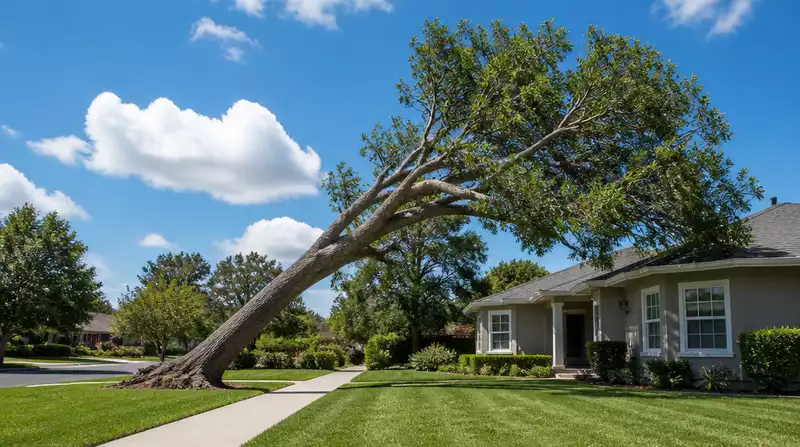
As storms become more frequent and intense, your trees are more vulnerable than ever. Understanding how to assess and manage leaning trees can protect both your home and your loved ones.
What You Will Learn
- Differentiate between natural and hazardous tree lean to identify risks effectively.
- Recognize signs of recent lean, such as soil disturbance and displacement of nearby plants.
- Understand environmental impacts like soil erosion that can compromise tree stability.
- Identify key indicators of hazardous leaning, such as soil heaving and exposed roots.
- Learn about the effects of root failure and how to spot symptoms like cracking and moisture accumulation.
- Discover preventative measures and strategies to secure leaning trees and enhance their stability.
- Understand when it's time to remove a leaning tree and the associated safety concerns.
- Emphasize the importance of regular tree risk assessments and proactive monitoring for tree safety.
Understanding Leaning Trees: Key Indicators and Comparison
Identifying the differences between natural and hazardous leaning trees can help homeowners assess potential risks effectively. Below, you can see key indicators for each type of tree lean represented visually. For more detailed insights into evaluating tree health, consider exploring assessing tree health and safety.
Natural Lean
A tree that has always grown at an angle:
- Gradual angle towards sunlight.
- Consistent growth direction.
Example: Palm trees in coastal regions.
Hazardous Lean
Signs of distress due to environmental factors:
- Recent angle changes observed.
- Visible soil disturbance or cracks.
- Displacement of nearby plants.
Example: Trees after strong storms.
Indicators of Hazardous Lean
- Soil heaving around the base.
- Exposed roots.
- Visible cracks in the trunk.
Sudden Lean Causes
- Strong winds damaging root systems.
- Heavy rain causing soil erosion.
- Flooding interfering with roots.
Understanding the Safety Implications of Leaning Trees
When we think about trees in our yards, we often picture stability and strength. However, trees that lean can pose serious safety risks when they show signs of stress or instability. At Safe Canopy Care, I’ve seen firsthand how leaning trees can go from a benign feature of a landscape to a hazardous risk, especially during stormy weather. Understanding the implications of tree lean is crucial for every homeowner.
Leaning trees can be categorized into two main types: those that lean naturally due to their growth patterns and those that lean as a sign of distress. Natural lean often occurs when a tree grows towards sunlight or due to competition with neighboring trees. In contrast, hazardous lean indicates that the tree may be in trouble, possibly due to root failure or environmental stressors.
Defining Leaning Trees: Natural vs. Hazardous Growth Patterns
Recognizing the difference between natural and hazardous lean is vital for maintaining a safe environment around your home. A natural lean often features a gentle angle and consistent growth direction, while hazardous lean typically exhibits abrupt changes or angles. For guidance on when to seek professional help, read about knowing when to seek help for tree care. Here are some factors to consider:
- Recent Lean: Look for recent changes in angle that seem out of character for your tree.
- Natural Lean: A tree that has always grown at an angle, such as a palm tree seeking sunlight.
Identifying Recent Lean vs. Natural Lean
To determine if a tree has developed a recent lean, pay close attention to its surroundings. If your tree previously stood upright and now appears to be leaning significantly, it may indicate an issue. Observing other nearby trees can also provide context; if they haven't changed, it heightens the concern about your leaning tree's health.
Some signs of recent lean include:
- Visible soil disturbance at the base.
- Cracks or gaps around the trunk.
- Displacement of nearby plants or structures.
Causes of Sudden Lean after Storms and Root Disturbance
Sudden leaning can often occur after strong winds or storms, leading to root disturbance. Storms can damage a tree's anchor roots, which keep it upright. Here are some common causes of sudden leaning:
- Strong winds uprooting or loosening soil.
- Heavy rain causing soil erosion.
- Flooding that interferes with root systems.
Understanding these causes can help you take precautionary measures. It’s essential to inspect your trees after severe weather to assess any potential risks.
Impact of Soil Erosion on Tree Stability
Soil erosion around a tree can significantly impact its stability. As soil washes away, the roots may become exposed and lose their grip on the earth. This can eventually lead to a hazardous lean, especially during storms. Here’s what you should monitor:
- Signs of exposed roots that weren’t previously visible.
- Changes in the slope of the ground around the tree.
- Any recent rainfall or flooding events.
If you're noticing these signs, it might be time to take action to secure your tree and prevent it from becoming a dangerous liability.
Key Indicators of Hazardous Leaning Trees
As a homeowner, it's essential to be aware of the key indicators that suggest your tree may be becoming a hazard. Learning to recognize these signs can save you from potential damage and costly repairs. Here are the top warning signs to look for:
- Soil Heaving: This occurs when soil around the base of a tree is pushed upwards.
- Exposed Roots: Roots that are visible and not covered by soil can indicate stability issues.
Recognizing Warning Signs: Soil Heaving and Exposed Roots
When soil begins to heave, it can be a bad sign. You might notice that the ground around your tree is lifted or uneven. This can lead to the development of exposed roots, further compromising the stability of your tree.
Exposed roots can also lead to:
- Deterioration of the root system.
- Increased risk of disease.
- A greater chance of the tree falling during heavy winds.
The Role of Root Failure: Butt Rot and Cracking Symptoms
Root failure is another critical factor in tree stability. Signs of butt rot can often be subtle, making it vital to look for any visible cracking on the trunk or at the base. If you notice any of these symptoms, it’s time to evaluate the health of your tree.
Symptoms indicating root failure include:
- Cracks near the base or along the trunk.
- Soft or mushy areas on the trunk.
- An increase in moisture around the base of the tree.
Assessing Movement: Evaluating Root Plate Stability
Evaluating the stability of a tree’s root plate is crucial. A simple test involves gently pushing on the tree to see if it sways or moves. If the tree shifts easily, it could be a cause for concern. You can also monitor any changes in movement over time to assess the tree's health.
Understanding Tree Decay and Its Effects on Stability
Tree decay can lead to severe stability issues. Fungi and pests can weaken a tree's structure, making it more susceptible to leaning. It’s essential to look for signs of decay, such as:
- Visible fungal growth on the trunk.
- Hollow spots or soft areas in the wood.
- Excessive shedding of bark.
By being attentive to these signs, we can take appropriate actions to ensure our trees remain safe and stable. If you have concerns about your leaning trees, don't hesitate to reach out to Safe Canopy Care for a professional assessment!
Pro Tip
Did you know? Regularly inspecting your trees after severe weather can help catch potential hazards before they escalate. Look for signs such as soil heaving or exposed roots, and consider consulting a professional arborist if you notice any concerning changes. Taking a proactive approach can make all the difference in maintaining the safety of your landscape!
Addressing Common Concerns: FAQs about Leaning Trees
Frequently Asked Questions About Leaning Trees
Here are some common questions homeowners have about identifying and managing leaning trees:
- Q: What causes a tree to lean suddenly?
- A: Sudden leaning often occurs after strong winds, heavy rain, or flooding. These environmental factors can damage a tree's anchor roots, cause soil erosion, or interfere with its root system, leading to instability.
- Q: How can I tell if a leaning tree is naturally occurring or hazardous?
- A: A natural lean typically features a gentle angle and consistent growth direction, often towards sunlight. A hazardous lean, however, shows signs of recent angle changes, visible soil disturbance, cracks around the trunk, or displacement of nearby plants.
- Q: What are the key warning signs of a dangerous leaning tree?
- A: Key indicators include soil heaving around the base, exposed roots, visible cracks in the trunk, signs of butt rot, and a noticeable shift in the root plate when gently pushed. These signs suggest compromised stability and potential root failure.
- Q: Can a leaning tree be saved, or does it always need to be removed?
- A: Many leaning trees can be saved, especially if issues are caught early. Strategies like bracing, pruning to reduce wind resistance, and soil amendments can help. However, trees with severe lean (more than 15 degrees), significant decay, or extensive root damage may require removal for safety.
- Q: How often should I have my trees professionally assessed for risks?
- A: It's recommended to schedule professional tree risk assessments at least once a year, or immediately following severe weather events. Regular assessments and proactive monitoring are crucial for identifying potential hazards early and ensuring long-term safety.
How Much Lean is Considered Dangerous?
When it comes to leaning trees, safety is a top concern for homeowners. Generally, a tree that leans more than 15 degrees from vertical poses a risk, especially if it’s showing signs of decay or root instability. It’s important to keep an eye on any noticeable lean, as even a slight angle can indicate underlying issues that may lead to danger. To understand more about identifying such risks, refer to our guide on dangerous trees identification.
Each tree species has its own tolerance for lean, so understanding your specific tree’s characteristics can help you gauge risk. For instance, some trees may have robust root systems that can handle slight tilts, while others may be more susceptible. If you're ever in doubt, don't hesitate to reach out to Safe Canopy Care for an expert opinion!
Can a Leaning Tree Be Saved?
The good news is that many leaning trees can be saved, especially if caught early! The success of saving a leaning tree depends on various factors, including its health, the degree of lean, and the environmental conditions. Here are some strategies you may consider:
- Bracing the tree to provide support.
- Pruning to reduce wind resistance.
- Amending the soil around the roots to promote stability.
However, it’s crucial to consult with a certified arborist to determine the best course of action. They can assess the situation and offer customized solutions tailored to your tree’s needs.
What are the Signs that a Tree Needs Immediate Removal?
Not all leaning trees can be saved, and recognizing the warning signs that indicate a tree needs to be removed is essential. Here are some key indicators:
- Significant lean greater than 15 degrees.
- Visible cracks in the trunk or branches.
- Exposed roots and soil heaving around the base.
- Presence of decay or butt rot.
If you notice any of these signs, it’s time to take action! The safety of your property and loved ones should always come first. Contacting Safe Canopy Care for an assessment can help you make informed decisions regarding hazardous trees. For further reading, check out long-term tree risk management tips.
Assessing Wind Resistance and Stability in Leaning Trees
Understanding a leaning tree's wind resistance is crucial for determining its stability. Factors such as tree height, canopy size, and root health play significant roles. If the tree has a large canopy but poor root structure, it's at higher risk during storms. Regular assessments can help you evaluate a tree's wind resistance and overall health.
At Safe Canopy Care, we emphasize the importance of proactive monitoring. By keeping a close watch on your trees, you can mitigate potential risks before they escalate!
Summary of Safety Measures and Next Steps
Reinforcing the Importance of Regular Tree Risk Assessments
Regular tree risk assessments are vital for ensuring safety in your landscape. They allow you to identify potential issues early and take action before they become hazardous. As a homeowner, consider scheduling assessments at least once a year or following severe weather events.
Taking a proactive approach not only protects your property but also provides peace of mind, knowing that you've done everything possible to maintain a safe environment for your family!
Encouraging Proactive Monitoring and Maintenance for Tree Safety
Proactive monitoring and maintenance are essential components of tree safety. Here are some key practices to implement:
- Regularly inspect trees for signs of stress or instability.
- Maintain proper pruning to reduce wind resistance.
- Implement soil management techniques to support root health.
- Stay informed about seasonal changes that affect tree health.
By keeping these practices in mind, you can create a safer outdoor space for your family and neighbors.
Preparing for Storms: Mitigating Risks with Tree Management Strategies
Preparing your trees for storms can significantly mitigate risks. Employ strategies like:
- Regularly monitoring soil moisture levels.
- Removing dead or weak branches before a storm.
- Considering professional bracing for larger trees at risk.
By taking these steps, you can help safeguard your property against storm damage and keep your outdoor space thriving!
Community Awareness and Public Safety in Tree Management
Lastly, community awareness is key when it comes to tree management. Share your knowledge with neighbors and encourage them to assess their trees, especially in storm-prone areas. Together, we can create safer environments for everyone!
Call to Action: Ensuring Tree Safety in Your Landscape
Engaging a Professional for Tree Risk Evaluations
Don’t wait until a tree becomes a hazard. Engaging a professional for tree risk evaluations can save you time, money, and stress in the long run. At Safe Canopy Care, I’m committed to providing thorough assessments and expert advice to ensure your trees remain healthy and safe.
Reach out today to schedule an evaluation and take the first step towards protecting your home and loved ones!
Staying Informed about Tree Health and Safety Practices
Stay informed about tree health and safety practices by subscribing to our newsletter or following us on social media. We regularly share tips, resources, and industry updates to help you stay ahead in tree care!
Understanding Landscaping Regulations for Tree Management
Finally, it's essential to be aware of local landscaping regulations regarding tree management. Familiarizing yourself with these rules can prevent potential fines and ensure that your tree care practices align with community standards. Let’s work together to make our neighborhoods safer! For comprehensive guidance on local services, consider browsing a tree service directory.
Recap of Key Points
Here is a quick recap of the important points discussed in the article:
- Understand the difference between natural and hazardous tree lean for effective tree management.
- Look for signs of recent lean, such as soil disturbance, cracks, or displacement of nearby plants, to assess tree health.
- Be aware of environmental factors like storms and soil erosion that can contribute to sudden leaning.
- Regularly inspect trees for indicators of instability, including soil heaving and exposed roots.
- Recognize signs of root failure, such as cracks and soft areas on the trunk, to prevent potential hazards.
- Conduct annual tree risk assessments, especially after severe weather, to ensure safety.
- Implement proactive maintenance practices like proper pruning and soil management to promote tree health.
- Engage a professional for thorough evaluations and expert advice on tree care and safety.

Evelyn Hartman
Evelyn Hartman is a dedicated tree safety expert with over a decade of experience in the arboriculture industry. With a passion for protecting homes and properties, Evelyn specializes in proactive tree safety measures, storm preparedness, and emergency response. She is committed to educating homeowners about the importance of tree care and risk prevention, ensuring that families can enjoy their outdoor spaces with peace of mind.
Popular Posts
Landscaping Safely Around Established Trees
![Landscaping Safely Around Established Trees]() What if the key to a vibrant yard lies in how you care for the trees? Understanding the right landsc
 What if the key to a vibrant yard lies in how you care for the trees? Understanding the right landsc
Inspecting Trees for Hidden Damage
![Inspecting Trees for Hidden Damage]() Did you know that many tree issues lie hidden beneath the surface, waiting to pose serious risks to
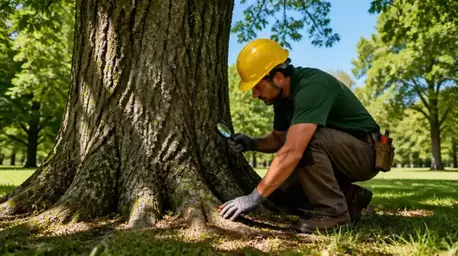 Did you know that many tree issues lie hidden beneath the surface, waiting to pose serious risks to
Safeguarding Roots in Wet Weather
![Safeguarding Roots in Wet Weather]() Did you know that wet weather can drastically affect the health of tree roots? Understanding the nua
 Did you know that wet weather can drastically affect the health of tree roots? Understanding the nua
Leaning Trees: Safety Risks Explained
![Leaning Trees: Safety Risks Explained]() As storms become more frequent and intense, your trees are more vulnerable than ever. Understanding
 As storms become more frequent and intense, your trees are more vulnerable than ever. Understanding
