Soil Quality
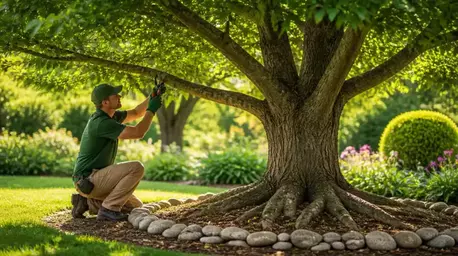
Nutrient-rich soil supports strong roots. Poor soil can lead to weak trees, making them susceptible to damage.
Did you know that many tree issues lie hidden beneath the surface, waiting to pose serious risks to your home and loved ones? Understanding tree health is crucial for keeping your property safe and beautiful. By learning about common causes of hidden damage and the importance of regular inspections, you'll be better equipped to care for your trees.
Understanding the factors that affect tree health can help you take proactive steps for maintenance. For more insights into effectively managing potential dangers, consider reading about long-term tree risk management tips.
Nutrient-rich soil supports strong roots. Poor soil can lead to weak trees, making them susceptible to damage.
Factors like extreme weather, drought, and pollution impact tree health over time.
Insects can weaken the tree structure, leading to long-term damage.
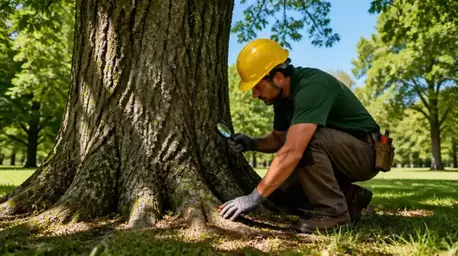
Fungi can cause decay, significantly affecting the health of trees.
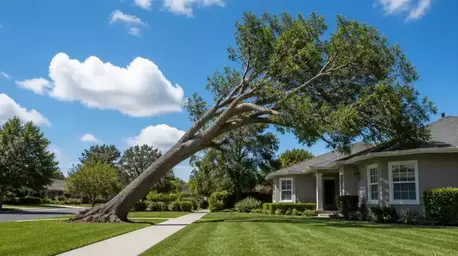
Many homeowners overlook the importance of their trees until it's too late. Did you know that trees can have hidden damage that puts your property and family at risk? By understanding tree health and the potential dangers that lurk unseen, you can take proactive steps to keep your trees safe and thriving.
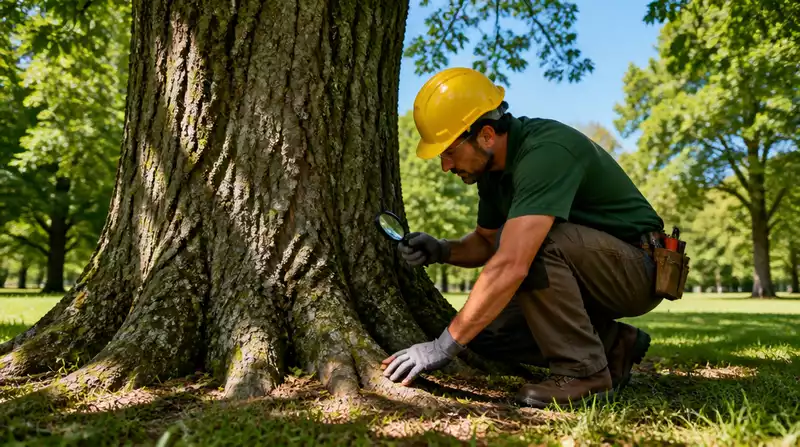
At Safe Canopy Care, we believe that regular inspections are vital for maintaining tree health. Whether you're preparing for a storm or just checking in on your green friends, these inspections can help uncover issues before they escalate. Let’s dive into why these inspections are important!
Regular tree inspections can pinpoint potential problems that may not be immediately visible. This proactive approach not only helps in identifying risks but also contributes to the overall longevity and beauty of your trees. A healthy tree can provide shade, improve curb appeal, and even increase your property’s value. To learn more about identifying potential hazards, explore our guide on hazardous tree warning signs.
Here are some key reasons why regular inspections are essential:
Understanding what can cause hidden damage is crucial for tree safety. Trees might look robust from the outside, but several factors can be silently affecting their health. Issues like pests, disease, and environmental stress can lead to severe problems down the line.
Some common causes of hidden damage include:
Several factors play a vital role in determining the health of your trees, and being aware of them can help you take action. From soil condition to environmental stresses, understanding these elements can significantly improve the health of your trees.
Let’s explore a couple of key factors:
The quality of soil can greatly influence a tree's growth and stability. Nutrient-rich soil supports strong root systems, while poor soil can lead to weak trees that are more susceptible to damage. If you notice any signs of distress in your trees, it may be worth having your soil tested!
Key aspects to consider include:
Environmental stresses, such as extreme weather, drought, and pollution, can impact tree health over time. Trees are resilient, but they need monitoring and care to cope with these stresses. For example, a tree may struggle during a prolonged dry spell, leading to hidden damage that might not be obvious until it's too late.
Consider these environmental factors:
By understanding these various aspects of tree health, you can become a more informed caretaker. Regular inspections and being alert to potential issues can go a long way in protecting both your trees and your property. At Safe Canopy Care, we're here to help you with the knowledge and tools you need for effective tree care! Stay tuned for more detailed guides on inspecting your trees for concealed damage in the following sections!
Did you know? Regularly documenting the health of your trees can greatly assist in identifying patterns over time. Consider keeping a tree journal where you note changes in growth, signs of distress, and the results of inspections. This practice not only helps you stay vigilant but also provides valuable information if you consult with a tree care professional.
As we've explored, understanding tree health and conducting regular inspections are crucial for safeguarding your property. Hidden damage can pose significant risks, especially when storms roll in. I can't stress enough how vital it is to keep an eye on your trees, as neglecting even small signs can lead to larger, more costly problems down the road.
Regular inspections can help you identify potential hazards early on, allowing you to take proactive measures. This not only protects your home and loved ones but also contributes to the overall health of your trees. Remember, healthy trees are not just a beautiful addition to your property—they're vital guardians against environmental stresses!
As I often say at Safe Canopy Care, being proactive in tree care is like being a good preventive doctor for your trees! Take the time to know your trees, and they will serve you well.
So, what can you do now? Taking action is the next crucial step in maintaining the health and safety of your trees. I recommend starting with a simple tree inspection checklist, which I often provide in my workshops. This checklist can help guide you through the inspection process and make it less daunting. For further support, consider exploring our tree service directory to find qualified professionals in your area.
These resources equip you with knowledge and tools to enhance your tree care skills. Consider sharing them with neighbors too; community awareness is key to creating safer environments!
To truly maintain tree safety, I encourage you to establish a routine. Aim for at least two comprehensive inspections a year—one in spring before storms hit and another in the fall to assess any damage. Keeping a calendar reminder can make this process easier and more manageable! You might also find our guide on preparing trees for storm season helpful.
By incorporating regular inspections into your routine, you're actively protecting your property and ensuring the well-being of your trees.
Finally, understanding what constitutes a tree risk is essential. A risk assessment involves evaluating the likelihood of a tree causing damage and the potential severity of that damage. This assessment can often be complex, which is why contacting a certified arborist can be invaluable. For a deeper dive, read about understanding tree risk assessments.
In the end, understanding these assessments not only empowers you as a homeowner but also helps ensure that your outdoor spaces remain safe for your family and community. Remember, at Safe Canopy Care, we're here to guide you every step of the way in your journey toward tree safety!
Here is a quick recap of the important points discussed in the article:
Evelyn Hartman is a dedicated tree safety expert with over a decade of experience in the arboriculture industry. With a passion for protecting homes and properties, Evelyn specializes in proactive tree safety measures, storm preparedness, and emergency response. She is committed to educating homeowners about the importance of tree care and risk prevention, ensuring that families can enjoy their outdoor spaces with peace of mind.