Safeguarding Roots in Wet Weather
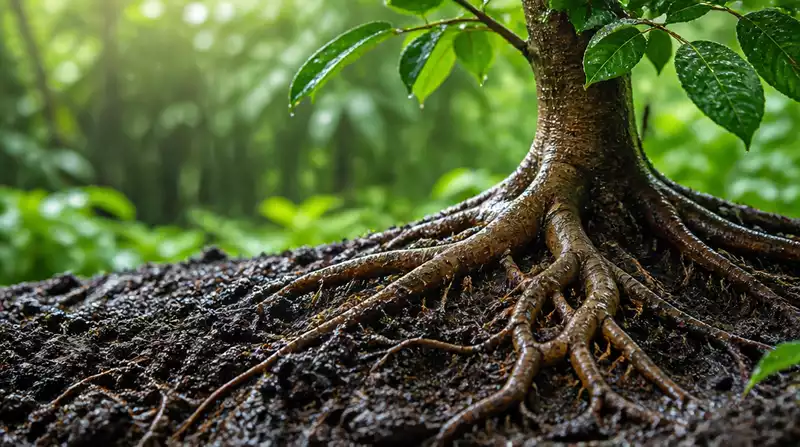
Did you know that wet weather can drastically affect the health of tree roots? Understanding the nuances of how moisture impacts trees is vital for any homeowner who wants to protect their outdoor investment. In this article, we explore the crucial aspects of tree root health during wet conditions and provide actionable tips to ensure your trees remain healthy and vibrant.
What You Will Learn
- Excess moisture can lead to soil compaction and oxygen deprivation, which are detrimental to tree roots.
- Regular soil assessments are essential to detect compaction and ensure roots have access to oxygen.
- Waterlogged soil increases the risk of root rot and makes trees more susceptible to diseases and pests.
- Identifying signs of root damage, such as wilting leaves or soft patches on the trunk, is crucial for early intervention.
- Implementing mulching techniques helps regulate moisture and supports root health during wet weather.
- After flooding, it’s important to assess soil nutrient levels to support recovery and promote healthy growth.
- Consulting a certified arborist is recommended when significant root damage or unusual growth patterns are observed.
Impact of Wet Weather on Tree Root Health
Wet weather significantly affects tree roots, leading to various health issues. Below is a visual representation of the major effects and essential practices for tree care during such conditions.
Effects of Wet Weather
- • Soil compaction reduces root growth.
- • Oxygen deprivation leads to root dieback.
- • Excess moisture fosters fungi and pathogens.
Essential Practices for Tree Care
- • Conduct regular soil assessments.
- • Create protection zones around trees.
- • Implement mulching to regulate moisture.
Signs of Root Damage
- • Discoloration or premature leaf drop.
- • Wilting or stunted growth.
- • Soft patches on the trunk or roots.
When to Seek Help
- • Severe root rot or damage.
- • Unusual growth patterns.
- • Multiple trees showing symptoms.
Understanding the Impact of Wet Weather on Tree Roots
As a tree safety expert, I often get questions about how weather affects trees, especially when it rains heavily. Wet weather can have a significant impact on tree roots, which are essential for their health and stability. Understanding these effects is crucial for any homeowner who wants to keep their outdoor spaces safe and thriving. For comprehensive guidance on managing tree risks, consider exploring these long-term tree risk management tips.
Trees rely on their roots to absorb nutrients and water, but excessive moisture can lead to a series of problems. In this article, we'll delve into how wet conditions affect tree root health and what you can do to protect your trees from potential harm.
How Wet Conditions Affect Tree Root Health
Wet weather can create challenging conditions for tree roots. When soil holds too much water, it can lead to several issues, including soil compaction and oxygen deprivation. Roots need oxygen to survive, and when the soil is saturated, it becomes harder for them to access it.
Additionally, waterlogged soil can lead to root rot, which can severely damage or even kill trees. It's essential to understand the signs and address these issues to ensure your trees stay healthy and robust.
- Soil compaction reduces root growth.
- Oxygen deprivation can lead to root dieback.
- Excess moisture fosters conditions for fungi and pathogens.
Exploring Soil Compaction and Oxygen Deprivation
When the soil becomes too wet, it can compact, making it difficult for roots to penetrate and expand. Compacted soil also prevents air from circulating, causing oxygen levels to drop. This can lead to stressed trees that show signs of distress, such as wilting leaves and poor growth. To learn more about identifying potential hazards, consult our dangerous trees identification guide.
As a tree care specialist at Safe Canopy Care, I recommend regularly checking your soil's condition, especially after heavy rains. A simple test is to attempt pushing a stick or screwdriver into the ground; if it meets resistance, your soil may be compacted.
The Risks of Saturated Soil and Erosion
Saturated soil poses various risks, including erosion. Erosion can wash away the topsoil that provides essential nutrients to your trees. It can also destabilize the ground around the roots, making them more vulnerable to damage from wind or landslides.
Taking proactive measures to address these risks can save you from costly tree removal and damage to your property. I always encourage homeowners to think ahead and implement erosion control methods in their yards.
Effects of Waterlogged Soil on Root Systems
Waterlogged soil can hinder root systems significantly. Over time, the roots may begin to decay, leading to weaker trees that are more susceptible to disease and pests. It's like a chain reaction; one problem leads to another, and suddenly, your tree’s health is compromised.
If you've noticed any changes in your trees during wet weather, it's crucial to take action quickly. Regular tree assessments can help identify issues before they escalate, ensuring the longevity of your trees.
Essential Practices for Protecting Tree Roots During Wet Weather
To safeguard your trees during wet weather, you need to be proactive. Here are some essential practices that can help protect your tree roots and keep them healthy.
- Conduct regular assessments of soil conditions.
- Create temporary protection zones around vulnerable trees.
- Implement mulching techniques to regulate moisture.
Quick Summary
Here's a brief recap of the key points discussed so far:
- Wet weather can lead to soil compaction and oxygen deprivation, negatively affecting tree roots.
- Waterlogged soil increases the risk of root rot and makes trees more susceptible to diseases.
- Regular assessments and proactive care can help protect trees during and after wet conditions.
Frequently Asked Questions About Tree Root Health in Wet Weather
Here are some common questions homeowners have about protecting their trees during and after wet conditions:
- Q: How does wet weather primarily affect tree roots?
- A: Wet weather can lead to soil compaction and oxygen deprivation, both of which are detrimental to tree roots. It also increases the risk of root rot and makes trees more susceptible to diseases and pests.
- Q: What are the key signs of root damage to look out for?
- A: Key signs include discoloration or premature leaf drop, wilting or stunted growth, and soft patches on the tree trunk or roots. Visible root rot or foul odors from the soil are also indicators.
- Q: What can I do to protect my tree roots during heavy rain?
- A: Essential practices include conducting regular soil assessments, creating temporary protection zones around vulnerable trees, and implementing mulching techniques to regulate moisture levels.
- Q: When should I consider contacting a certified arborist?
- A: It is recommended to consult an arborist if you observe severe root rot or damage that could compromise tree stability, unusual growth patterns or signs of disease, or if multiple trees are showing symptoms simultaneously.
- Q: How can I help my trees recover after flooding?
- A: After flooding, assess soil nutrient levels by testing pH and nutrient content. Apply a balanced fertilizer to promote recovery, but avoid over-fertilizing, as this can further stress the roots.
Post-Wet Weather Care for Tree Health
After a heavy rain, many homeowners may wonder how to ensure their trees are recovering well. Trees can suffer from root damage and stress due to the wet conditions, which makes it essential to take proactive steps for their care. In this section, we’ll explore how to identify root damage and provide valuable tips to support tree health after wet weather.
It’s vital to remember that trees, much like us, need time to bounce back. Just as you might assess your health after a bout of illness, your trees will benefit from a careful check-up. So, let’s dive into what you can do to help your trees thrive again!
Identifying Root Damage and Signs of Stress
First, let’s talk about how to inspect tree roots after heavy rain. Knowing what to look for can make all the difference in identifying issues early. Here are some signs of root damage and stress that you should watch for:
- Discoloration of leaves or premature leaf drop
- Wilting or stunted growth during the growing season
- Soft, mushy patches on the tree trunk or roots
- Visible root rot or foul odors emanating from the soil
Taking the time to examine your trees closely can help you catch potential problems early. I always recommend checking for these signs regularly, especially after heavy rain, to ensure your trees stay healthy. For more tips on maintaining tree safety, check out our guide on tree safety risk prevention tips.
How to Inspect Tree Roots After Heavy Rain
When inspecting tree roots, here’s a simple process to follow:
- Start by carefully digging around the base of the tree, exposing some surface roots.
- Look for any discoloration or softness in the roots, which can indicate rot.
- Check the soil moisture; it should feel damp but not waterlogged.
If you notice any severe issues during your inspection, don’t hesitate to reach out for help. Seeking assistance from a certified arborist can provide you with expert insights tailored to your specific situation.
When to Seek Help from an Arborist
There are times when a professional’s eye is necessary. Consider contacting an arborist if you observe:
- Severe root rot or damage that could compromise tree stability
- Unusual growth patterns or signs of disease
- Multiple trees showing symptoms at once
At Safe Canopy Care, we understand how overwhelming tree care can be, especially after extreme weather. If you ever feel unsure about the health of your trees, we’re here to help!
Assessing Nutrient Uptake After Flooding
After flooding, it’s crucial to consider how nutrient uptake may have been affected. Trees often struggle to absorb nutrients in saturated soils, which can lead to deficiencies. Here are a few ways to support nutrient uptake:
- Test soil pH and nutrient levels to gauge what your tree may need.
- Apply a balanced fertilizer to promote recovery.
- Avoid over-fertilizing, as this can stress roots even further.
Taking these steps will help ensure your trees receive the nutrients they need to bounce back stronger than ever! For further guidance on tree care for disaster readiness, visit our page on tree care for disaster readiness.
Conclusion and Encouragement for Tree Care
As we wrap up, let’s recap some of the best practices for protecting tree roots after wet weather. Regular inspections, timely intervention, and seeking professional help when needed are vital for maintaining tree health. Remember, each tree is unique and may require different care strategies.
Incorporating regular tree care into your seasonal routine not only enhances the beauty of your landscape but also preserves the health of your trees. At Safe Canopy Care, we’re passionate about helping homeowners like you understand the importance of tree preservation. Together, let’s protect our green guardians and ensure they thrive through every season!
Final Thoughts on Seasonal Tree Care and Maintenance
Seasonal tree care is an ongoing commitment that pays off in the long run. By staying attentive to your trees' needs, you can create a healthier, safer environment for your family and property. So, let’s keep those roots strong and ensure that your trees continue to provide shade and beauty for years to come!
The Importance of Landscape Maintenance for Tree Preservation
Finally, never underestimate the role of landscape maintenance in tree preservation. Regular upkeep, including mulching, pruning, and watering, will support overall tree health. By actively engaging in tree care, you're investing in the future of your outdoor space—something we at Safe Canopy Care truly believe in!
Recap of Key Points
Here is a quick recap of the important points discussed in the article:
- Wet weather can lead to soil compaction and oxygen deprivation, which negatively impact tree roots.
- Signs of root damage include leaf discoloration, wilting, and soft patches on the trunk or roots.
- Regular assessments of soil conditions and tree health are essential, especially after heavy rains.
- Implementing erosion control methods can help protect trees from damage caused by saturated soil.
- Seek professional help from an arborist in cases of severe root rot or multiple trees showing symptoms.
- Monitor nutrient uptake after flooding by testing soil and applying balanced fertilizers as needed.

Evelyn Hartman
Evelyn Hartman is a dedicated tree safety expert with over a decade of experience in the arboriculture industry. With a passion for protecting homes and properties, Evelyn specializes in proactive tree safety measures, storm preparedness, and emergency response. She is committed to educating homeowners about the importance of tree care and risk prevention, ensuring that families can enjoy their outdoor spaces with peace of mind.
Popular Posts
Landscaping Safely Around Established Trees
![Landscaping Safely Around Established Trees]() What if the key to a vibrant yard lies in how you care for the trees? Understanding the right landsc
 What if the key to a vibrant yard lies in how you care for the trees? Understanding the right landsc
Inspecting Trees for Hidden Damage
![Inspecting Trees for Hidden Damage]() Did you know that many tree issues lie hidden beneath the surface, waiting to pose serious risks to
 Did you know that many tree issues lie hidden beneath the surface, waiting to pose serious risks to
Safeguarding Roots in Wet Weather
![Safeguarding Roots in Wet Weather]() Did you know that wet weather can drastically affect the health of tree roots? Understanding the nua
 Did you know that wet weather can drastically affect the health of tree roots? Understanding the nua
Leaning Trees: Safety Risks Explained
![Leaning Trees: Safety Risks Explained]() As storms become more frequent and intense, your trees are more vulnerable than ever. Understanding
 As storms become more frequent and intense, your trees are more vulnerable than ever. Understanding
