Tree Care Plan Essentials
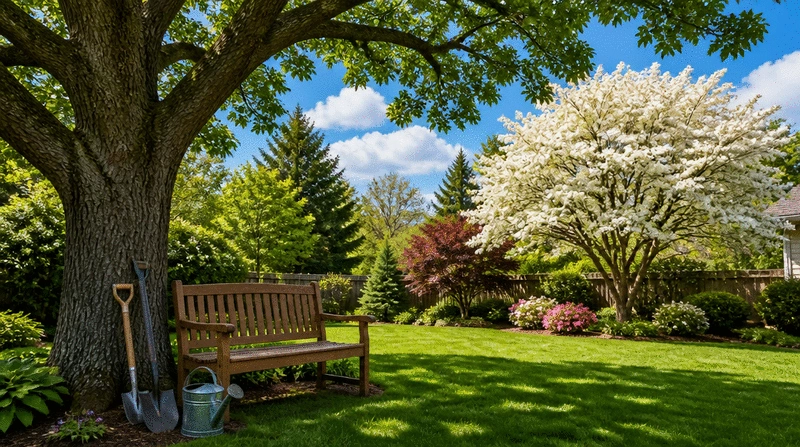
The beauty and safety of your property significantly rely on the trees that grace it. A comprehensive tree care plan is not just a luxury; it's a necessity for anyone looking to maintain the health and aesthetics of their landscape. By understanding the importance of tree care, you can ensure that these natural assets thrive and enhance your surroundings.
What You Will Learn
- Defining Objectives: Establish clear goals for tree care, such as enhancing aesthetics, safeguarding property, promoting health, and increasing property value.
- Benefits of a Customized Plan: A tailored tree care plan can lead to proactive risk management, healthier trees, environmental benefits, and significant cost savings.
- Tree Health Assessment: Regularly assess tree health to guide maintenance efforts and identify potential issues early.
- Utilizing Resources: Take advantage of tools and resources such as maintenance calendars, checklists, and pest identification apps to streamline your care plan.
- Budgeting for Care: Plan and set aside a budget for professional services, routine maintenance, and unexpected emergencies to ensure financial preparedness.
- Community Engagement: Connect with local resources and fellow property owners to share insights and enhance your tree care practices together.
- Sustainable Practices: Adopt sustainable methods for long-term tree preservation, including organic fertilizers and biodiversity encouragement.
Key Objectives and Benefits of a Comprehensive Tree Care Plan
Understanding the importance of a tree care plan can significantly enhance your property. Below are key objectives and benefits represented visually.
Objectives
- Enhancing Aesthetics
- Safeguarding Property
- Promoting Tree Health
- Increasing Property Value
Benefits
- Proactive Risk Management
- Healthier Trees
- Environmental Benefits
- Time and Cost Savings
Understanding the Importance of a Comprehensive Tree Care Plan
Have you ever thought about how trees contribute to the beauty and safety of your property? At Safe Canopy Care, I believe a comprehensive tree care plan is essential for maintaining these valuable assets. This plan not only enhances your landscape but also helps in identifying potential risks and ensuring the health of your trees.
Creating a structured tree care plan can give you peace of mind while significantly improving the condition of your trees. It’s not just about planting and watering; it’s about understanding your tree’s unique needs and preparing them for changing seasons. Let's dive into how you can define your tree care objectives for effective property maintenance.
Defining Your Tree Care Objectives for Property Maintenance
Setting clear objectives is the first step in your tree care journey. Consider the following goals when developing your plan:
- Enhancing Aesthetics: Aim to create a visually appealing landscape that complements your home.
- Safeguarding Property: Regular maintenance can prevent potential hazards, such as falling branches during storms. For more on this, consider our guide on preparing trees for storm season.
- Promoting Tree Health: Focus on identifying and managing tree diseases and pests early on.
- Increasing Property Value: Well-maintained trees are a significant asset, boosting your property’s overall value.
By defining these objectives, you can create a tailored plan that meets your property’s needs. Engaging with a professional, like myself at Safe Canopy Care, can also provide valuable insights to help you refine these goals.
Benefits of a Customized Tree Care Plan for Your Landscape
A customized tree care plan offers numerous benefits that go beyond aesthetics. Here are some key advantages:
- Proactive Risk Management: Regular inspections help identify potential hazards before they become emergencies.
- Healthier Trees: Tailored care ensures your trees receive the right nutrients and attention for optimal growth.
- Environmental Benefits: Well-cared-for trees aid in improving air quality and providing essential wildlife habitats.
- Time and Cost Savings: Preventive care reduces the need for expensive emergency interventions down the line.
At Safe Canopy Care, I emphasize that investing time in a customized tree care plan is truly investing in the future health of your property. Remember, healthy trees contribute not only to the beauty of your landscape but also to the well-being of your family and community!
Assessing Tree Health: The First Step in Your Care Plan
Before diving into specific care strategies, it’s crucial to assess the health of your trees. Conducting a thorough tree health assessment is the foundation of an effective tree care plan and can guide your maintenance efforts.
Assessing tree health involves observing the tree's physical condition, checking for visible signs of stress, and evaluating environmental factors affecting its growth. Let’s explore how to perform this assessment effectively!
Quick Summary
Here's a brief recap of the key points discussed so far:
- Defining Objectives: Setting clear goals for enhancing aesthetics, safeguarding property, promoting tree health, and increasing property value is essential.
- Customized Care Benefits: A tailored tree care plan leads to proactive risk management, healthier trees, environmental benefits, and cost savings.
- Community Engagement: Connecting with local resources and fellow property owners can enhance your tree care practices and contribute to community health.
Frequently Asked Questions (FAQs) About Tree Care Plans
Q: Why is a comprehensive tree care plan important?
A: A comprehensive tree care plan is crucial for maintaining the health and aesthetics of your landscape, identifying potential risks, and ensuring your trees thrive, ultimately enhancing your property's beauty and safety.
Q: What are the key objectives of a tree care plan?
A: The main objectives include enhancing aesthetics, safeguarding property from potential hazards, promoting tree health by managing diseases and pests, and increasing overall property value.
Q: What benefits does a customized tree care plan offer?
A: A customized plan provides proactive risk management through regular inspections, ensures healthier trees with tailored nutrients, offers environmental benefits like improved air quality, and results in time and cost savings by preventing expensive emergency interventions.
Q: How do I assess the health of my trees?
A: Assessing tree health involves observing the tree's physical condition, checking for visible signs of stress or disease, and evaluating environmental factors that affect its growth. Professional arborists can provide thorough assessments.
Q: What tools and resources can help with tree care management?
A: Useful tools and resources include downloadable checklists and maintenance calendars, soil moisture meters, pruning saws, pest identification apps, and tree health assessment guides. Local organizations and professionals can also provide guidance.
Q: Why is budgeting for tree care services important?
A: Budgeting is crucial to cover costs for professional services (like certified arborists), routine maintenance (pruning, fertilization), potential emergency response, and seasonal equipment. Planning ahead helps avoid financial stress and ensures long-term property health.
Q: How can community engagement enhance tree care?
A: Engaging with local resources like the Arbor Day Foundation and connecting with fellow property owners provides valuable insights, shared experiences, access to educational workshops, and support for better tree management practices within your neighborhood.
Q: What sustainable practices should I adopt for tree preservation?
A: Sustainable practices include using organic fertilizers and pest control methods, encouraging biodiversity in your landscape, and practicing proper watering techniques. These choices protect your trees and contribute to a healthier environment.
Utilizing Tools and Resources for Enhanced Tree Care Management
In today's world, effective tree care management goes beyond just having the right knowledge; it also involves utilizing various tools and resources. At Safe Canopy Care, I've found that taking advantage of available materials can simplify the process and lead to better outcomes for your trees. By integrating these resources into your care plan, you can ensure that your trees remain healthy and safe throughout the year.
One of the most valuable resources I recommend is using downloadable checklists and maintenance calendars. These tools help you stay organized and remind you of essential tasks. Here are some key items you might include in your checklists:
- Regular tree inspections
- Pruning schedules
- Watering and fertilization reminders
- Pest monitoring tasks
Having a clear plan helps you manage your tree care effectively, making it easier to keep track of your trees' needs and ensure they receive proper attention.
Guidance on Budgeting for Tree Care Services
When it comes to tree care, budgeting is a crucial aspect that many homeowners overlook. It’s important to set aside funds for professional services, routine maintenance, and unexpected emergencies. I encourage you to evaluate your financial plan based on the following factors:
- Costs of hiring certified arborists
- Routine maintenance expenses (e.g., pruning, fertilization)
- Potential emergency response costs
- Seasonal equipment purchases (e.g., mulch, soil amendments)
By planning ahead, you can safeguard your property without financial stress. Always remember, investing in tree care is investing in your property’s long-term health!
Plant Health Care: Tools for Effective Management
To manage your trees' health effectively, consider utilizing specific tools designed for plant health care. These can greatly enhance your ability to monitor and maintain your trees. Here are a few essential tools:
- Soil moisture meters
- Pruning saws and shears
- Pest identification apps
- Tree health assessment guides
Incorporating these tools into your tree care routine not only promotes better maintenance but also helps you detect potential issues early on. If you're unsure about which tools to use, don’t hesitate to reach out to experts at Safe Canopy Care for personalized recommendations!
Engaging with Your Community: Resources and Support
Tree care is not just a solitary task; it can be a rewarding community effort! Engaging with fellow property owners can provide you with valuable insights and support. At Safe Canopy Care, I believe that sharing experiences can lead to better management practices and improved tree health in our neighborhoods.
Local Resources: Arbor Day Foundation and Tree Care Associations
Many local resources can aid you in your journey toward effective tree care. Organizations such as the Arbor Day Foundation and various tree care associations offer a wealth of information and support. Here are some resources you might explore:
- Educational workshops and seminars
- Tree planting events and community initiatives
- Online resources and publications
- Networking opportunities with other tree care enthusiasts
By connecting with these organizations, you can enhance your knowledge and contribute to the overall health of our environment.
Connecting with Fellow Property Owners for Shared Experiences
Don't underestimate the value of connecting with others! Engaging with fellow property owners provides an opportunity to share experiences and learn from one another's successes and challenges. Consider joining local gardening clubs or online forums where tree care is a focus.
By sharing stories and tips, you can:
- Gain insights into successful tree care practices
- Access local recommendations for reliable service providers
- Stay updated on community events related to tree health
Remember, at Safe Canopy Care, we thrive together as a community dedicated to enhancing our environments!
Community Forestry Initiatives and Their Impact
Participating in community forestry initiatives can have a significant impact on your area. These programs often focus on improving urban green spaces, planting new trees, and maintaining existing ones. Your involvement not only benefits your property but also contributes to broader ecological health.
Some key benefits of engaging in community forestry include:
- Improved air quality
- Enhanced property values
- Stronger community connections
- Increased awareness of tree care practices
By being an active participant, you can help foster a culture of sustainability and tree care in your community. So, reach out and see how you can make a difference!
Concluding Thoughts on Crafting Your Tree Care Plan
As we wrap up this discussion, it’s clear that a comprehensive tree care plan is vital for maintaining the health and safety of your trees and property. From utilizing essential tools and resources to engaging with your community, every step contributes to effective tree management.
Summary of Key Steps for Effective Tree Care
To summarize, here are some key steps you can take to ensure a successful tree care plan:
- Assess tree health regularly
- Utilize available resources and tools
- Engage with local organizations and community members
- Stay informed about best practices in tree care
Each of these steps helps build a solid foundation for the health of your trees! At Safe Canopy Care, I'm here to support you through every phase of your tree care journey.
Encouraging Ongoing Care and Maintenance for Healthy Trees
Tree care is a continuous process that requires attention year-round. By committing to ongoing maintenance and learning, you’ll create a thriving environment for your trees. Keep an eye out for changes and be proactive in addressing any concerns, perhaps by reviewing long-term tree risk management tips.
Adopting Sustainable Practices for Long-Term Tree Preservation
Lastly, consider adopting sustainable practices that promote long-term tree preservation. This can include:
- Using organic fertilizers and pest control methods
- Encouraging biodiversity in your landscape
- Practicing proper watering techniques
By making these choices, you're not only protecting your trees but also contributing to a healthier environment for generations to come. Let’s work together to embrace sustainable practices and create a legacy of tree care!
Recap of Key Points
Here is a quick recap of the important points discussed in the article:
- Define Clear Objectives: Focus on enhancing aesthetics, safeguarding property, promoting tree health, and increasing property value.
- Customized Tree Care Plan: Implement proactive risk management, ensure healthier trees, and enjoy environmental benefits and cost savings.
- Regular Health Assessments: Conduct thorough evaluations to guide maintenance and care strategies.
- Utilize Tools and Resources: Incorporate downloadable checklists, maintenance calendars, and essential tools for effective management.
- Budget for Tree Care: Plan your finances for professional services, routine maintenance, and emergencies to avoid stress.
- Engage with the Community: Connect with local organizations and fellow property owners for shared experiences and resources.
- Adopt Sustainable Practices: Use organic methods, encourage biodiversity, and practice proper watering techniques for long-term preservation.

Evelyn Hartman
Evelyn Hartman is a dedicated tree safety expert with over a decade of experience in the arboriculture industry. With a passion for protecting homes and properties, Evelyn specializes in proactive tree safety measures, storm preparedness, and emergency response. She is committed to educating homeowners about the importance of tree care and risk prevention, ensuring that families can enjoy their outdoor spaces with peace of mind.
Popular Posts
Tree Risk Management for Outbuildings
![Tree Risk Management for Outbuildings]() ##
Have you ever considered how the trees around your property could impact the safety of your outbu
##
Have you ever considered how the trees around your property could impact the safety of your outbu
 ##
Have you ever considered how the trees around your property could impact the safety of your outbu
##
Have you ever considered how the trees around your property could impact the safety of your outbu
Tree Cavities and Structural Safety
![Tree Cavities and Structural Safety]() Have you ever wondered how the health of a tree can directly impact your property’s safety? Unders
Have you ever wondered how the health of a tree can directly impact your property’s safety? Unders
 Have you ever wondered how the health of a tree can directly impact your property’s safety? Unders
Inspecting Tree Canopies for Safety
![Inspecting Tree Canopies for Safety]() As severe weather approaches, the safety of your property hangs in the balance. By understanding the
As severe weather approaches, the safety of your property hangs in the balance. By understanding the
 As severe weather approaches, the safety of your property hangs in the balance. By understanding the
Tree Safety Tips for Driveways
![Tree Safety Tips for Driveways]() Ensuring the safety of your home extends beyond its walls, particularly when it comes to the trees s
Ensuring the safety of your home extends beyond its walls, particularly when it comes to the trees s
 Ensuring the safety of your home extends beyond its walls, particularly when it comes to the trees s
