Storms and Tree Health Insights
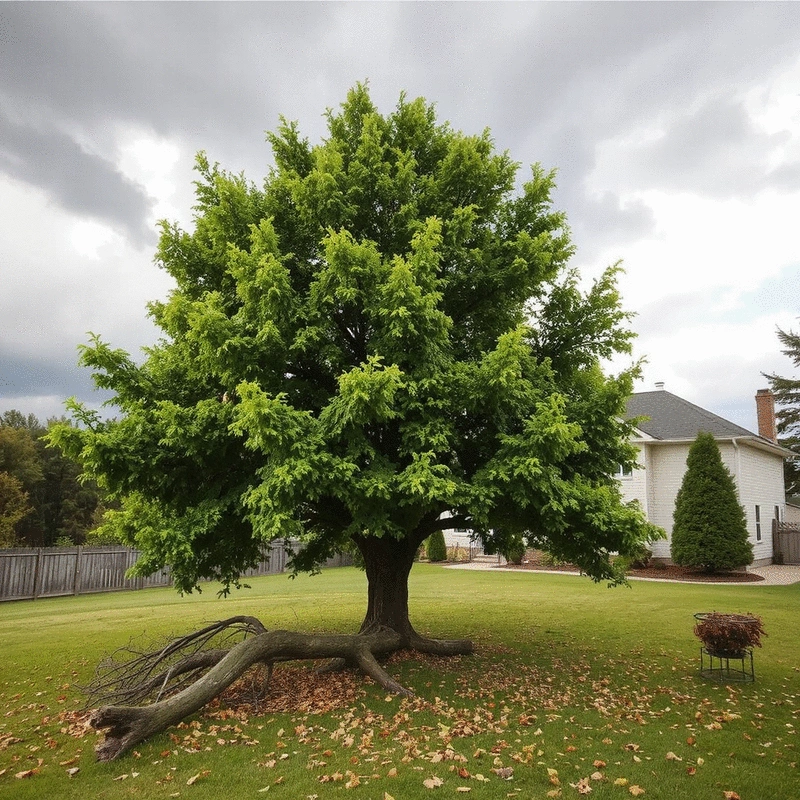
Every year, storms cause significant damage to trees, leading to hazards for homes and communities. Understanding the different types of storms and their impacts can empower homeowners to take proactive measures. How prepared are you for the next storm season?
What You Will Learn
- Recognize storm types: Different storms such as hurricanes, ice storms, and flooding uniquely challenge tree health.
- Inspect regularly: Frequent inspections by professionals can identify vulnerabilities in trees before they lead to disasters.
- Maintain tree health: Routine pruning and care enhance tree resilience against storm damage.
- Understand soil impact: Soil saturation during heavy rains can weaken root systems; monitor and manage soil conditions.
- Utilize expert services: Certified arborists can identify hidden dangers and respond effectively to storm-related hazards.
- Educate your community: Sharing knowledge about tree safety promotes a culture of preparedness among neighbors.
- Develop a care plan: Tailor your tree care strategies based on local weather patterns for long-term health.
- Engage in community initiatives: Join local programs to improve storm preparedness and promote urban forestry efforts.
Impact of Storms on Tree Health
Understanding how different storms affect tree safety and health is crucial for homeowners. For more insights on how to manage these risks, consider exploring comprehensive long-term tree risk management tips.
Hurricanes and Tropical Cyclones
Strong winds and heavy rainfall can cause immediate and long-term damage to trees. Vulnerable trees may be uprooted or break.
Ice Storms
Ice accumulation can weigh down branches, leading to breakage and crown failure, creating dangerous conditions.
Flooding
Excess water can saturate soil, weakening root systems and increasing the risk of uprooting, especially in clay soil.
Changing Weather Patterns
More frequent and severe storms lead to increased risks for trees, necessitating regular assessments.
Understanding the Impact of Storms on Tree Health and Safety
Storms can be more than just a mild inconvenience—they pose serious threats to the health and safety of trees. As a dedicated tree safety expert at Safe Canopy Care, I’ve witnessed firsthand how storms can compromise tree integrity and, ultimately, the safety of your property. Understanding the different types of storms and the mechanisms of damage they inflict is essential for proactive tree care.
Identifying the Types of Storms Affecting Trees
Different storms bring about unique challenges that can affect trees significantly. Knowing what type of storm is approaching can help you prepare and protect your trees. Here are some common storm types that can impact tree health:
- Hurricanes and Tropical Cyclones: These storms can bring strong winds and heavy rainfall, causing both immediate and long-term damage.
- Ice Storms: Ice accumulation can weigh down branches, often leading to breakage and tree collapse.
- Flooding: Excess water can saturate the soil, weakening root systems and increasing the risk of uprooting.
- Weather Patterns: Changes in climate can lead to more severe storms, impacting tree resilience.
Hurricanes and Tropical Cyclones: Unique Challenges
Hurricanes and tropical cyclones are among the most damaging storms due to their powerful winds and heavy rains. Trees with shallow root systems, like some palms, are particularly vulnerable. During such storms, even healthy trees can be uprooted or break under duress, leading to a cascade of potential hazards for homes and properties.
As you prepare for hurricane season, consider evaluating your property's most vulnerable trees. You can reduce risks by proactively removing or reinforcing trees that show signs of weakness. For further guidance, explore our guide on preparing trees for storm season.
Ice Storms: The Hidden Threat to Tree Structures
Ice storms can often go unnoticed until the damage is done. The weight of ice can cause branches to crack and split, leading to what is known as “crown failure.” This can create dangerous conditions, particularly if large branches fall onto homes or vehicles. Have you ever noticed how your trees respond to winter storms? Regular inspection can be key to spotting vulnerabilities before they lead to disaster.
Flooding and Soil Saturation: Impact on Root Systems
When heavy rains flood an area, the saturation of soil can weaken root systems, making trees more susceptible to falling over. This is especially true in areas with clay soil, where water can drain poorly. Roots need air and water in balanced proportions to thrive. When that balance is disrupted, they can struggle to absorb the necessary nutrients. If you notice puddles forming around your trees, it may be time to reassess their health.
Weather Patterns: Understanding Their Role in Storm Severity
Weather patterns are changing, leading to more frequent and severe storms. Understanding these patterns can help you make informed decisions about tree care and risk management. For example, residents in areas prone to storms should consider regular tree assessments to stay ahead of potential issues. Safe Canopy Care can guide you in creating a tailored care plan based on your local weather patterns, ensuring that your trees remain healthy.
Mechanisms of Storm Damage to Trees
Understanding how storms damage trees is crucial for effective prevention and response. Knowing the mechanisms can help you recognize when a tree is in distress and take action to mitigate risks. Let's explore some common causes of storm damage:
- Wind Effects: Strong winds can lead to branch breakage and uprooting.
- Heavy Rainfall: This can cause soil erosion and root disturbances.
- Lightning Strikes: Lightning can severely damage bark and impact tree vitality.
- Tree Anatomy: Understanding the biology of trees can help in assessing their resilience to storms.
Effects of Wind: Branch Breakage and Uprooting
Wind can exert tremendous force on trees, leading to branch breakage or even uprooting. Trees with heavy, dense foliage are particularly at risk as they catch more wind. If you notice any cracks in the trunk or large branches, it might be time to consult a tree care professional. For more details on identifying dangers, review our dangerous trees identification guide.
Regular pruning, particularly before storm season, can help minimize wind resistance and improve the structural integrity of your trees. Remember, healthy trees are better equipped to withstand strong winds!
Heavy Rainfall: Soil Erosion and Its Consequences
Heavy rainfall can lead to soil erosion, destabilizing trees and making them prone to falling. It’s important to monitor your landscape for signs of erosion, such as exposed roots or slumping soil. In areas susceptible to flooding, you may want to consider planting trees with deeper root systems to combat these issues.
Lightning Strikes: Bark Damage and Tree Vitality
Lightning strikes can cause serious injury to trees, often leading to bark damage and loss of vitality. While lightning can’t be controlled, understanding the risk can help you make informed decisions about tree placement. Trees in open areas are more likely to be struck, so consider planting them strategically away from high-risk zones.
Tree Anatomy and Its Role in Storm Resistance
The anatomy of a tree plays a significant role in its ability to withstand storms. Trees with strong root systems, thick trunks, and flexible branches tend to fare better during severe weather. Understanding your trees' specific needs can empower you to take steps for better storm resilience.
For instance, at Safe Canopy Care, I always emphasize the importance of nurturing your trees with proper care, as this can significantly reduce the chances of storm damage. By focusing on tree health year-round, you can help your trees stand strong when the winds pick up!
Pro Tip
Did you know that trees with diverse species can enhance resilience against storms? By planting a mix of tree types, you can reduce the risk of widespread damage. Different species respond uniquely to storm conditions, ensuring that not all your trees are vulnerable to the same threats. Consider incorporating a variety of trees into your landscape for better protection!
Frequently Asked Questions About Storms and Tree Safety
Q1: What are the main types of storms that impact tree health?
A1: The main types include hurricanes and tropical cyclones (strong winds, heavy rainfall), ice storms (ice accumulation leading to branch breakage), and flooding (soil saturation weakening root systems). Changing weather patterns also contribute to more frequent and severe storms.
Q2: Why is regular inspection of trees important for storm preparedness?
A2: Regular inspections by professionals, like certified arborists, help identify vulnerabilities in trees before they become serious hazards during a storm. This allows for proactive measures such as pruning or reinforcement.
Q3: How does soil saturation from heavy rainfall affect trees?
A3: Heavy rainfall can saturate the soil, weakening the tree's root system by reducing oxygen availability and making the tree more susceptible to uprooting or falling, especially in clay soils that drain poorly.
Q4: What proactive measures can homeowners take to protect their trees?
A4: Homeowners can engage in regular pruning to improve tree structure, monitor soil conditions, identify signs of disease early, and consider planting diverse tree species to enhance overall resilience. Consulting with certified arborists for a tailored care plan is also highly recommended.
Q5: What are the benefits of hiring professional tree services like Safe Canopy Care?
A5: Professional services offer expert knowledge to identify hidden dangers, provide swift emergency response to hazards after storms, and help create long-term tree care plans tailored to your specific environment, ensuring peace of mind and property safety.
Concluding Thoughts on Tree Health and Safety During Storms
As we reflect on the many challenges storms pose to our beloved trees, it’s clear that proactive tree care is not just a choice; it’s a necessity. At Safe Canopy Care, we believe that understanding and managing tree health can significantly reduce risks during stormy weather. The journey doesn’t end with storm preparation; it extends into long-term care and vigilance to ensure our trees remain safe and resilient.
Homeowners and communities must realize the importance of being proactive rather than reactive. By keeping a close eye on tree health, engaging in regular maintenance, and educating ourselves about potential risks, we can safeguard our properties and, ultimately, our families. Remember, every tree has its own story and needs!
Key Takeaways for Homeowners and Communities
As we assess our tree safety practices, there are several key takeaways to keep in mind. Here’s a quick overview of essential points to consider:
- Prioritize regular inspections: Engage professionals, like certified arborists, to identify vulnerabilities early.
- Maintain your trees: Regular pruning and care can enhance the resilience of your trees against storm damage.
- Educate your community: Share knowledge about tree safety with neighbors to create a culture of preparedness.
- Utilize resources: Take advantage of local programs that focus on tree care and storm preparedness.
By focusing on these areas, we can create healthier trees and, in turn, safer environments for our families and communities. Each step taken towards proactive tree care means less worry when the storm clouds gather. To further enhance your preparedness, consider our homeowners storm prep checklist.
Importance of Proactive Tree Care and Maintenance
Proactive tree care can significantly reduce the risks associated with storm damage. If you’re unsure of where to start, here are some simple maintenance practices to consider:
- Regular pruning: This can help maintain tree structure and health.
- Monitoring soil conditions: Healthy soil supports strong root systems, making trees less prone to uprooting.
- Identifying signs of disease: Early detection can save trees and prevent hazards.
At Safe Canopy Care, we focus on providing education and support to help homeowners take charge of their tree safety. Remember, a little attention today can prevent larger issues tomorrow!
Understanding the Risks and Benefits of Professional Services
While self-assessment is valuable, engaging professional services can truly make a difference in tree safety and health. Consider these benefits of working with certified arborists:
- Expert knowledge: Arborists have the training to identify hidden dangers in trees.
- Emergency response: Professionals can quickly address urgent tree hazards after storms.
- Long-term planning: They can help create a tree care plan tailored to your specific environment.
Don’t underestimate the value of having expert eyes on your trees! They can provide peace of mind and ensure your property remains safe.
Call to Action: Protecting Your Trees and Property
Now that we’ve explored the importance of tree health and safety, it’s time to take action. Here are some steps to get you started on protecting your trees and property:
- Engage with local arborists: Schedule a tree health assessment to identify potential risks.
- Join community initiatives: Collaborate with your neighbors to improve storm preparedness in your area.
- Promote urban forestry: Participate in local tree planting and care programs to enhance community resilience.
As the founder of Safe Canopy Care, I encourage you to take these steps seriously. Together, we can cultivate a culture of safety, ensuring our trees thrive while protecting our homes from nature’s unpredictable moods. Let’s make our outdoor spaces safer for everyone! For more information on finding local experts, check out using a tree service directory.
Recap of Key Points
Here is a quick recap of the important points discussed in the article:
- Identify Storm Types: Be aware of different storm types like hurricanes, ice storms, flooding, and changing weather patterns that can affect tree health.
- Regular Inspections: Engage certified arborists for routine assessments to identify vulnerabilities and prevent potential damage.
- Proactive Maintenance: Regular pruning and monitoring soil conditions can enhance tree resilience against storms.
- Community Education: Share knowledge about tree safety with your community to foster a culture of preparedness.
- Utilize Professional Services: Work with certified arborists for expert guidance and emergency response to tree hazards.
- Take Action: Schedule tree health assessments, participate in community initiatives, and promote urban forestry to enhance local resilience.

Evelyn Hartman
Evelyn Hartman is a dedicated tree safety expert with over a decade of experience in the arboriculture industry. With a passion for protecting homes and properties, Evelyn specializes in proactive tree safety measures, storm preparedness, and emergency response. She is committed to educating homeowners about the importance of tree care and risk prevention, ensuring that families can enjoy their outdoor spaces with peace of mind.
Popular Posts
Tree Risk Management for Outbuildings
![Tree Risk Management for Outbuildings]() ##
Have you ever considered how the trees around your property could impact the safety of your outbu
##
Have you ever considered how the trees around your property could impact the safety of your outbu
 ##
Have you ever considered how the trees around your property could impact the safety of your outbu
##
Have you ever considered how the trees around your property could impact the safety of your outbu
Tree Cavities and Structural Safety
![Tree Cavities and Structural Safety]() Have you ever wondered how the health of a tree can directly impact your property’s safety? Unders
Have you ever wondered how the health of a tree can directly impact your property’s safety? Unders
 Have you ever wondered how the health of a tree can directly impact your property’s safety? Unders
Inspecting Tree Canopies for Safety
![Inspecting Tree Canopies for Safety]() As severe weather approaches, the safety of your property hangs in the balance. By understanding the
As severe weather approaches, the safety of your property hangs in the balance. By understanding the
 As severe weather approaches, the safety of your property hangs in the balance. By understanding the
Tree Safety Tips for Driveways
![Tree Safety Tips for Driveways]() Ensuring the safety of your home extends beyond its walls, particularly when it comes to the trees s
Ensuring the safety of your home extends beyond its walls, particularly when it comes to the trees s
 Ensuring the safety of your home extends beyond its walls, particularly when it comes to the trees s
