Severe Weather and Tree Safety
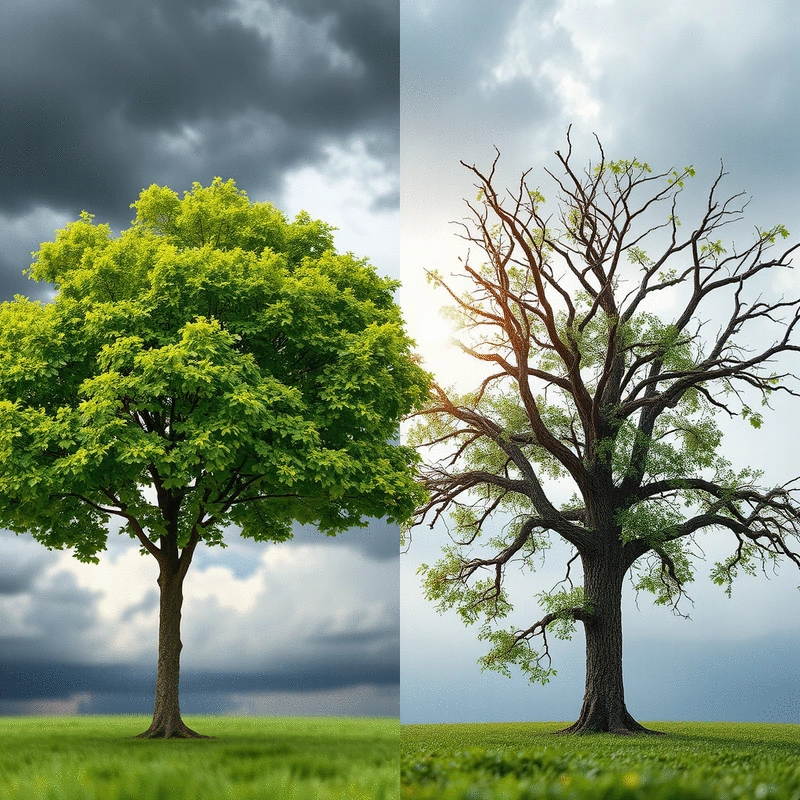
As climate change intensifies, our trees face unprecedented challenges from severe weather. Understanding how these conditions impact tree health is crucial for homeowners seeking to protect their property. By taking proactive measures, we can ensure the safety and longevity of our green companions.
What You Will Learn
- Different types of severe weather, such as storms, floods, and frost, can severely impact tree health.
- Trees with weak root systems, trunk decay, and pre-existing defects are more vulnerable during severe weather events.
- Certain tree species, like oaks and pines, demonstrate greater resilience to severe weather than others.
- Pests and diseases can weaken tree health, making regular inspections vital for early detection and prevention of damage.
- Utilizing modern technology, such as drones and soil sensors, can enhance tree health monitoring and management.
- Creating a comprehensive long-term tree care plan, including regular inspections and emergency procedures, can prevent problems before they escalate.
- Effective vegetation management in urban areas is essential for maintaining tree health, involving community engagement and proper plant selection.
Impact of Severe Weather on Tree Health
Severe weather events can significantly affect tree health. Below are key areas of vulnerability and resilience in trees during severe weather events. For more detailed insights, consider our guide on long-term tree risk management tips.
Common Tree Vulnerabilities
- Weak root systems: Shallow roots can easily be uprooted.
- Trunk integrity: Cracks or decay can compromise strength.
- Pre-existing defects: Trees with diseases or pests are more likely to fail during severe weather.
Resilient Tree Species
- Oak trees: Known for their strong trunk and deep roots.
- Pines: Flexible branches can bend without breaking.
- Willows: Thrive near water but can struggle in high winds.
Effects of Severe Weather
Strong winds can lead to branch breakage and uproot trees with weak root systems. Heavy rainfall can saturate soil, causing root damage and affecting nutrient absorption.
Monitoring and Care Importance
Ongoing monitoring is crucial. Technologies like drones and soil sensors help assess tree health and identify potential risks before they escalate.
Understanding the Impact of Severe Weather on Tree Health and Safety
Defining Severe Weather and Its Types
When we talk about severe weather, we refer to a range of conditions that can significantly impact our environment and safety. These are not just your regular rain showers; they include:
- Storms: Thunderstorms, hurricanes, and tornadoes.
- Floods: Excess water that can inundate tree roots.
- Frost: Unexpected cold snaps that can damage young buds.
Each type of severe weather carries its own set of risks for trees, making it crucial to understand how they can affect our green companions.
How Severe Weather Affects Tree Health
Severe weather can have a profound impact on tree health. For instance, strong winds can lead to branch breakage and even uproot trees that have weak root systems. Similarly, heavy rainfall can saturate the soil, causing root damage which ultimately affects the tree's ability to absorb nutrients.
Moreover, trees with compromised resilience may struggle to recover from these events. For example, old or diseased trees are less likely to bounce back, increasing the risk of hazards for homeowners. It’s a reminder of the importance of regular tree assessments, which I emphasize at Safe Canopy Care! For tips on what to look for, check out our guide on dangerous trees identification.
The Influence of Climate Change on Severe Weather Patterns
Climate change is another player in this complex game, exacerbating severe weather events. Warmer temperatures can lead to more intense storms and unpredictable weather patterns, which can play havoc with tree health. Trees may find themselves facing conditions they aren't adapted to, making them more vulnerable to damage.
This connection highlights the importance of awareness. By understanding how climate change impacts our environment, we can take proactive steps to ensure the safety and longevity of our trees, something I believe is essential for every property owner.
Examining Vulnerabilities in Trees During Severe Weather Events
Identifying Common Tree Weaknesses
As we dive deeper into the world of trees, it’s essential to recognize their vulnerabilities. Common weaknesses include:
- Weak root systems: Shallow roots can easily be uprooted.
- Trunk integrity: Cracks or decay can compromise strength.
- Pre-existing defects: Trees with diseases or pests are more likely to fail during severe weather.
Being aware of these issues can help homeowners take preventive measures, something I've seen make a real difference in my work at Safe Canopy Care.
The Role of Tree Species in Weather Resilience
Not all trees are created equal when it comes to weather resilience. Certain species are naturally more robust and can withstand severe weather better than others. For example:
- Oak trees: Known for their strong trunk and deep roots.
- Pines: Flexible branches can bend without breaking.
- Willows: Although they thrive near water, they can sometimes struggle in high winds.
Understanding your trees' species can empower you to take targeted actions to enhance their resilience, protecting your property from potential hazards! You can also consult a tree service directory to find local experts.
Impact of Pests and Diseases on Tree Resilience
Lastly, let’s not forget about the influence of pests and diseases. Trees affected by these issues are often in a weakened state, making them much more susceptible to damage during severe weather. Insects and fungal infections can compromise their health, leading to lost branches or uprooting.
Regular inspections can help identify these threats before they escalate! As a tree safety expert, I encourage homeowners to keep an eye out for signs of distress. This proactive approach is key to maintaining healthy and resilient trees.
Pro Tip
Did you know? Regularly assessing the health of your trees can significantly enhance their resilience against severe weather. Consider scheduling seasonal inspections and keeping a close eye out for any signs of distress, such as discolored leaves or unusual growth patterns. Proactive care is key to ensuring your trees remain healthy and safe!
Frequently Asked Questions About Tree Health and Severe Weather
- What types of severe weather most commonly affect tree health?
- Storms (thunderstorms, hurricanes, tornadoes), floods, and unexpected frost are the most common types of severe weather that can significantly impact trees.
- What makes a tree vulnerable during severe weather?
- Trees with weak root systems, compromised trunk integrity (cracks or decay), and pre-existing defects like diseases or pest infestations are more vulnerable to severe weather damage.
- Are some tree species more resilient to severe weather than others?
- Yes, certain species like oaks (known for strong trunks and deep roots) and pines (flexible branches) are generally more resilient. Willows, while thriving near water, can struggle in high winds.
- How does climate change influence tree health in relation to severe weather?
- Climate change contributes to more intense storms and unpredictable weather patterns, forcing trees to face conditions they are not adapted to, thereby increasing their vulnerability to damage.
- What role do pests and diseases play in tree resilience to severe weather?
- Pests and diseases weaken trees, making them more susceptible to damage from severe weather events. Regular inspections are vital to identify and address these threats early.
- What modern technologies can help in monitoring tree health?
- Drones can capture aerial images for canopy health assessment, soil sensors monitor moisture and nutrient levels, and mobile apps help track growth and maintenance schedules.
- What should a comprehensive long-term tree care plan include?
- A comprehensive plan should include regular seasonal inspections, a consistent pruning schedule, proper fertilization, and developed emergency procedures for storm damage or pest infestations.
- Why is vegetation management important in urban areas?
- Urban vegetation management addresses unique challenges like limited space and pollution by ensuring regular maintenance, appropriate plant selection for urban conditions, and community involvement in tree care initiatives.
The Importance of Ongoing Tree Monitoring and Care
When it comes to ensuring the health and safety of our beloved trees, ongoing monitoring and care are crucial. With the unpredictable nature of severe weather, I often remind homeowners that it's not just about the immediate aftermath of a storm—it's about being proactive! By utilizing modern technologies and strategies, we can keep our trees thriving and resilient.
One exciting development in this field is the use of technology to assess tree health. Tools like drones and sensors provide us with a bird's-eye view and detailed data on tree conditions. This means we can identify potential issues before they escalate into severe problems. Imagine being able to spot a weak branch or root decay from above, allowing for timely interventions!
Technology and Innovation in Tree Health Assessment
Modern technology has transformed the way we monitor tree health. Here are some of the tools that can help you keep an eye on your trees:
- Drones: Capture aerial images to assess tree canopy health and identify damage.
- Soil Sensors: Monitor moisture levels and nutrient content in the soil, ensuring trees get the care they need.
- Mobile Apps: Use apps to track tree growth, maintenance schedules, and weather impacts.
These tools not only help in monitoring but can also provide crucial data for making informed decisions about tree care. Investing in these technologies can lead to healthier trees and safer properties, aligning perfectly with the mission of Safe Canopy Care! For more information on assessing tree health, refer to our guide on assessing tree health and safety.
Creating a Long-term Tree Care Plan
Now that we've established the importance of monitoring, it's time to create a comprehensive tree care plan. This plan should include regular inspections and maintenance tasks that cater to the specific needs of your trees. Here are some essential components to consider:
- Regular Inspections: Schedule seasonal check-ups to assess tree health.
- Pruning Schedule: Plan for regular pruning to remove dead or weak branches.
- Fertilization: Ensure your trees receive the nutrients they need through proper fertilization.
- Emergency Procedures: Develop a response plan for storm damage or pest infestations.
By having a long-term care plan in place, you’re not just reacting to problems—you're actively preventing them! This proactive approach connects with our mission at Safe Canopy Care, emphasizing the importance of education and preparedness.
Vegetation Management for Urban Forestry
In urban environments, vegetation management plays a significant role in maintaining tree health and safety. Urban trees face unique challenges, including limited space, pollution, and competition for resources. Effective management practices can help mitigate these issues:
- Regular Maintenance: Ensure trees are pruned and healthy to reduce risks.
- Plant Selection: Choose tree species that are well-suited for urban conditions.
- Community Involvement: Engage local residents in tree care initiatives, fostering a sense of ownership and responsibility.
As a tree safety expert, I believe that urban forestry is a shared responsibility. By implementing these management practices, we can create greener, safer cities for everyone! Be sure to prepare your trees for any challenges by reviewing preparing trees for storm season.
Conclusion: Ensuring Tree Safety and Health Through Knowledge and Action
Summarizing Key Takeaways on Tree Care and Safety
In conclusion, the impact of ongoing monitoring and comprehensive care on tree health cannot be overstated. From leveraging technology for assessments to developing a long-term care plan, these steps are essential in safeguarding our trees against the challenges posed by severe weather.
Encouraging Community Engagement and Education
Finally, I encourage you to share your knowledge with your community. Engage your neighbors in discussions about tree care and the importance of monitoring. Together, through education and action, we can create a culture of safety and health for our precious trees. Don't hesitate to reach out to us at Safe Canopy Care for any questions or professional advice!
Recap of Key Points
Here is a quick recap of the important points discussed in the article:
- Understand Severe Weather Types: Be aware of how storms, floods, and frost can impact tree health.
- Assess Tree Vulnerabilities: Regularly check for weak root systems, trunk integrity, and pre-existing defects that can increase risk during severe weather.
- Species Resilience: Recognize that certain tree species like oaks and pines are more resilient to severe weather conditions.
- Monitor for Pests and Diseases: Conduct regular inspections to identify and address any threats to tree health.
- Utilize Technology: Employ tools such as drones and soil sensors for effective tree health assessment and monitoring.
- Create a Long-term Care Plan: Develop a comprehensive plan that includes regular inspections, pruning, fertilization, and emergency procedures.
- Engage in Community Efforts: Promote community involvement in urban forestry initiatives to enhance local tree care and safety.

Evelyn Hartman
Evelyn Hartman is a dedicated tree safety expert with over a decade of experience in the arboriculture industry. With a passion for protecting homes and properties, Evelyn specializes in proactive tree safety measures, storm preparedness, and emergency response. She is committed to educating homeowners about the importance of tree care and risk prevention, ensuring that families can enjoy their outdoor spaces with peace of mind.
Popular Posts
Tree Risk Management for Outbuildings
![Tree Risk Management for Outbuildings]() ##
Have you ever considered how the trees around your property could impact the safety of your outbu
##
Have you ever considered how the trees around your property could impact the safety of your outbu
 ##
Have you ever considered how the trees around your property could impact the safety of your outbu
##
Have you ever considered how the trees around your property could impact the safety of your outbu
Tree Cavities and Structural Safety
![Tree Cavities and Structural Safety]() Have you ever wondered how the health of a tree can directly impact your property’s safety? Unders
Have you ever wondered how the health of a tree can directly impact your property’s safety? Unders
 Have you ever wondered how the health of a tree can directly impact your property’s safety? Unders
Inspecting Tree Canopies for Safety
![Inspecting Tree Canopies for Safety]() As severe weather approaches, the safety of your property hangs in the balance. By understanding the
As severe weather approaches, the safety of your property hangs in the balance. By understanding the
 As severe weather approaches, the safety of your property hangs in the balance. By understanding the
Tree Safety Tips for Driveways
![Tree Safety Tips for Driveways]() Ensuring the safety of your home extends beyond its walls, particularly when it comes to the trees s
Ensuring the safety of your home extends beyond its walls, particularly when it comes to the trees s
 Ensuring the safety of your home extends beyond its walls, particularly when it comes to the trees s
