Protect Trees From Storm Damage
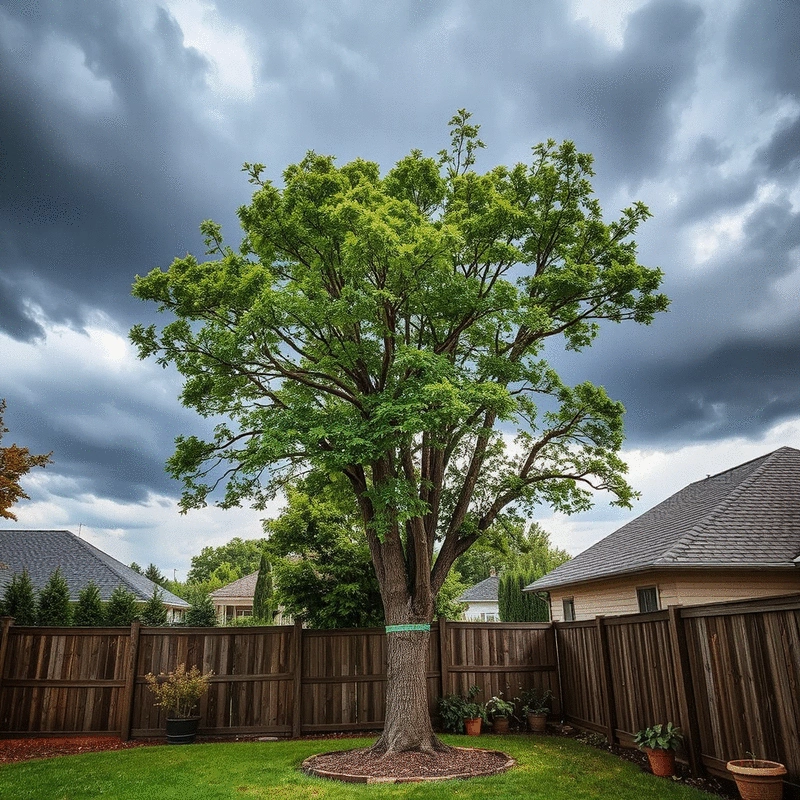
Investing in tree care goes beyond aesthetics; it plays a crucial role in protecting your home and loved ones during stormy weather. Understanding the importance of preventive measures can save you considerable costs and offer peace of mind. Are you ready to take proactive steps to ensure your trees remain safe guardians of your property?
What You Will Learn
- Proactive tree care can significantly reduce risks of storm damage, ensuring safety for both your home and family.
- Regular assessments and maintenance of your trees are essential to identify vulnerabilities before storm season hits.
- Preventive pruning is more cost-effective than dealing with post-storm repairs, saving you money in the long run.
- Adapting tree care strategies in response to climate change is vital for long-term health and resilience of your trees.
- Emerging technologies, such as remote sensing and mobile apps, can enhance your ability to monitor tree health and risks.
- Community engagement plays a critical role in tree preservation and disaster recovery efforts, fostering a culture of awareness and preparedness.
Cost Comparison: Preventive Care vs. Post-Storm Repairs
Understanding the financial implications of tree care can help homeowners make informed decisions. Below are key comparisons related to preventive care costs versus potential storm damage costs. For more insights on safeguarding your property, consider long-term tree risk management tips.
Preventive Care Costs
- Lower than emergency removal costs
- Routine maintenance extends tree lifespan
- Enhances property value
Post-Storm Repair Costs
- Emergency tree removal: $300 - $3,000
- Property damage repairs: potentially thousands
- Increased insurance premiums due to frequent claims
Understanding the Importance of Preventing Tree Damage During Heavy Storms
When storms roll in, many homeowners might not realize just how crucial it is to prevent tree damage. I’ve seen firsthand at Safe Canopy Care how a few proactive steps can save not only the trees but also the homes they surround. Investing time in understanding tree safety can ultimately protect your property and loved ones during those fierce storms!
Storm damage prevention is essential for homeowners, especially in regions prone to severe weather. Trees can become a significant hazard if not properly maintained, leading to potential injuries or property damage. By taking proactive measures, you can mitigate risks and ensure that your trees are not just beautiful, but also safe guardians of your home.
Why Storm Damage Prevention is Essential for Homeowners
Why should homeowners focus on storm damage prevention? Well, the risks of neglect can be severe! Here are a few reasons why it's so important:
- Safety First: Healthy trees provide shade and beauty but can become dangerous if they fall during a storm.
- Financial Savvy: Preventive care is often more cost-effective than repairs after damage occurs.
- Home Protection: Protecting your trees helps safeguard your home and property from potential damage.
- Peace of Mind: Knowing you've taken steps to prepare can help you relax during storm season.
At Safe Canopy Care, I often emphasize the importance of early intervention. By understanding your trees and their needs, you can help them weather the storms more effectively.
Overview of Storm Types and Their Impact on Trees
Different storms can have varying impacts on trees. Knowing what type of storms to expect in your area can help you prepare your landscape. Let’s break down some common storm types:
- Thunderstorms: Can produce high winds and heavy rain, which may lead to tree uprooting or limb breakage.
- Tornadoes: These can cause significant and sudden damage to trees, often uprooting them entirely.
- Hurricanes: Bring strong winds and flooding, posing severe risks to tree stability.
- Snowstorms: Heavy snow can create excess weight on branches, leading to breakage, especially if combined with wind.
Understanding these storm types can inform your tree care practices. For example, at Safe Canopy Care, I recommend specific preparation strategies based on the expected weather conditions in your area. This helps ensure your trees are resilient and better equipped to handle whatever nature throws their way! For more detailed guidance, explore our guide on preparing trees for storm season.
Assessing Tree Risk: Identifying Vulnerabilities Before Storm Season
Before storm season hits, it's important to assess the risk your trees might pose. Identifying vulnerabilities early can make a significant difference. Knowing what to look for can help you prevent disasters before they happen!
Pro Tip
Did you know? Regularly assessing your trees' health before storm season can significantly reduce the risk of damage. A simple tip is to look for signs of disease or decay, such as cracked bark or unusual leaf drop. Early detection allows for timely intervention, which can save not only your trees but also your property from costly repairs. Make it a habit to check your trees at least twice a year, ideally in spring and fall, to ensure they remain strong and resilient.
Understanding the Cost: Preventive Care vs. Post-Storm Repairs
When it comes to protecting your trees and property, understanding the cost difference between preventive care and post-storm repairs is crucial. Investing in proactive tree care can save you from hefty expenses associated with storm damage. Think of it this way: a little investment today can prevent a financial headache tomorrow!
Here are some financial aspects to consider when weighing preventive pruning against potential storm damage costs:
- Preventive pruning costs are generally lower than the expenses incurred from emergency tree removal or property damage repairs.
- Routine maintenance can extend the life of your trees, making them less susceptible to damage during storms.
- Investing in tree health can enhance property value, making your landscape more attractive to potential buyers.
As I often tell my clients at Safe Canopy Care, being proactive pays off. It’s not just about avoiding damage; it's about securing peace of mind for you and your family.
Financial Aspects of Preventive Pruning vs. Storm Damage Costs
Preventive pruning is about nurturing your trees and ensuring they stay healthy and strong. In contrast, the costs associated with storm damage can be staggering. Here's what you might face if you neglect tree care:
- Emergency tree removal: This can range from hundreds to thousands of dollars, depending on the size and location of the tree.
- Property damage repairs: If a tree falls on your home or vehicle, repair costs could be significant.
- Insurance premiums: Frequent claims due to tree damage may lead to higher premiums.
Choosing to invest in preventive care can significantly lower these potential costs, ensuring that your trees remain healthy and your property safe. This proactive approach is a key part of effective storm preparedness for tree owners.
Evaluating the Long-Term Benefits of Investing in Tree Care
Investing in tree care is not just about immediate savings; it also enhances the long-term health of your landscape. Regular maintenance can lead to numerous benefits:
- Improved tree health: Healthy trees are more resilient against storms and pests.
- Increased property value: A well-maintained landscape can add substantial value to your home.
- Enhanced aesthetics: A beautiful yard makes your home more inviting and enjoyable.
At Safe Canopy Care, I emphasize these benefits during consultations to help homeowners understand the value of tree care as a long-term investment. Proactive care leads to a thriving landscape, which is a win-win!
Adapting Tree Care Practices in Response to Climate Change
Climate change is reshaping our environment, and it's essential that we adapt our tree care practices accordingly. Increasing storm intensity means we need to be vigilant and proactive in our approaches to tree safety.
How Increasing Storm Intensity Affects Tree Care Strategies
The changing climate is leading to more severe weather events, impacting how we care for our trees. Here are a few key strategies to consider:
- Regular monitoring: Keep an eye on your trees for signs of stress, such as wilting leaves or unusual growth patterns.
- Adjusting pruning schedules: Consider more frequent pruning to maintain tree strength and stability.
- Choosing resilient species: Opt for tree species that are more capable of withstanding extreme weather conditions.
By adapting to these challenges, we can help our trees thrive and protect our properties effectively.
Emerging Technologies in Tree Risk Assessment and Maintenance
Exciting advancements in technology are enhancing how we assess tree health and risks. Tools like drone technology and advanced imaging can help identify structural weaknesses that are not visible to the naked eye. Here are some notable innovations:
- Remote sensing: This technology can assess tree health from a distance, offering insights into stress levels and structural integrity.
- Data analytics: Using data to predict tree behavior during storms can help homeowners make informed decisions.
- Mobile apps: Applications designed for tree health monitoring make it easier for homeowners to track tree conditions.
At Safe Canopy Care, staying current with these technologies allows us to offer the best possible service to our clients. Embracing innovation can lead to better tree management and safer outdoor spaces!
Community Engagement in Tree Preservation and Disaster Recovery
Communities play a vital role in tree preservation and disaster recovery. Engaging with neighbors and local organizations can strengthen our collective efforts. Here’s how communities can participate:
- Organizing tree care workshops: Educating fellow homeowners about proper care techniques fosters a culture of awareness.
- Creating local tree inventories: Keeping track of tree species and health in the area can help prioritize care and maintenance.
- Implementing community clean-up events: After storms, gathering volunteers to assist with clean-up can speed recovery efforts.
By coming together, we can create a supportive environment that promotes tree health and disaster preparedness. Let’s work as a community to ensure our trees remain strong and resilient!
Frequently Asked Questions: Clarifying Common Concerns
As a tree safety expert, I often encounter many questions from homeowners. Here are some common concerns that I frequently address to help clarify the importance of tree care:
Frequently Asked Questions
- What are the main benefits of preventive tree care?
- Preventive tree care significantly reduces the risks of storm damage, ensures safety for your home and family, is more cost-effective than post-storm repairs, and extends the tree's lifespan while enhancing property value.
- How often should I have my trees assessed?
- It is recommended to check your trees at least twice a year, ideally in spring and fall, to ensure they remain strong and resilient, especially before storm season.
- What types of storms pose the greatest risk to trees?
- Thunderstorms, tornadoes, hurricanes, and snowstorms all pose significant risks. Thunderstorms can cause uprooting or limb breakage, tornadoes cause sudden and severe damage, hurricanes bring strong winds and flooding, and heavy snow can lead to branch breakage.
- When should I call an arborist?
- You should call an arborist immediately if you notice visible cracks in the trunk or major limbs, if a tree has suddenly started leaning, or if there's fungal growth at the base, which suggests decay.
- How do emerging technologies help with tree risk assessment?
- Technologies like remote sensing can assess tree health from a distance, data analytics can predict tree behavior during storms, and mobile apps help homeowners monitor tree conditions, all contributing to better tree management and safer outdoor spaces.
DIY Tree Care: What Can Homeowners Safely Manage?
Many homeowners are eager to take care of their trees, and there are several tasks that can be safely managed:
- Regular inspections: Look for signs of decay or damage.
- Basic pruning: Remove small, dead branches that are easy to access.
- Mulching: Adding mulch around the base helps retain moisture and reduces weeds.
However, always remember that some tasks, like large tree removals or significant pruning, are best left to professionals. For hazardous situations, it's crucial to understand hazardous tree removal best practices.
Signs That You Need to Call an Arborist Immediately
Knowing when to call an expert can save your trees and property from serious damage. Here are signs that indicate immediate professional assistance is needed:
- Visible cracks: If your tree has large cracks in its trunk or major limbs.
- Leaning trees: A tree that has suddenly started leaning may be unstable.
- Fungal growth: The appearance of mushrooms or other fungi at the base suggests decay.
If you notice any of these signs, don’t hesitate to contact Safe Canopy Care for an assessment!
Summarizing Key Takeaways for Effective Storm Damage Prevention
As we wrap up this discussion, let’s summarize some key takeaways for protecting your trees before the storm season:
Your Action Plan for Securing Tree Health Before Storm Season
Before the storm clouds gather, here’s your action plan:
- Conduct a thorough inspection of your trees.
- Engage in preventive pruning to remove any dead or hazardous limbs.
- Consider professional evaluations for larger trees or any signs of distress.
This proactive approach will bolster your trees against storm damage!
Encouragement to Regularly Inspect and Maintain Trees
Finally, regular inspections are key to maintaining tree health. Make it a habit to check your trees throughout the year, not just during storm season. Remember, at Safe Canopy Care, I’m here to help guide you through this process—together, we can keep your trees safe and your property secure! For ongoing safety, make sure to review our tree safety risk prevention tips regularly.
Recap of Key Points
Here is a quick recap of the important points discussed in the article:
- Safety First: Healthy trees are essential for safety during storms; they should be regularly inspected and maintained.
- Cost-Effective Care: Preventive tree care is generally less expensive than the costs associated with storm damage repairs.
- Understanding Storm Types: Different storm types, such as thunderstorms and hurricanes, pose unique risks to tree stability.
- Proactive Measures: Regular monitoring, timely pruning, and choosing resilient tree species can significantly enhance tree health.
- Community Engagement: Participating in local tree care initiatives fosters awareness and promotes collective tree health efforts.
- Seek Professional Help: Knowing when to call an arborist can prevent serious damage to your trees and property.

Evelyn Hartman
Evelyn Hartman is a dedicated tree safety expert with over a decade of experience in the arboriculture industry. With a passion for protecting homes and properties, Evelyn specializes in proactive tree safety measures, storm preparedness, and emergency response. She is committed to educating homeowners about the importance of tree care and risk prevention, ensuring that families can enjoy their outdoor spaces with peace of mind.
Popular Posts
Tree Risk Management for Outbuildings
![Tree Risk Management for Outbuildings]() ##
Have you ever considered how the trees around your property could impact the safety of your outbu
##
Have you ever considered how the trees around your property could impact the safety of your outbu
 ##
Have you ever considered how the trees around your property could impact the safety of your outbu
##
Have you ever considered how the trees around your property could impact the safety of your outbu
Tree Cavities and Structural Safety
![Tree Cavities and Structural Safety]() Have you ever wondered how the health of a tree can directly impact your property’s safety? Unders
Have you ever wondered how the health of a tree can directly impact your property’s safety? Unders
 Have you ever wondered how the health of a tree can directly impact your property’s safety? Unders
Inspecting Tree Canopies for Safety
![Inspecting Tree Canopies for Safety]() As severe weather approaches, the safety of your property hangs in the balance. By understanding the
As severe weather approaches, the safety of your property hangs in the balance. By understanding the
 As severe weather approaches, the safety of your property hangs in the balance. By understanding the
Tree Safety Tips for Driveways
![Tree Safety Tips for Driveways]() Ensuring the safety of your home extends beyond its walls, particularly when it comes to the trees s
Ensuring the safety of your home extends beyond its walls, particularly when it comes to the trees s
 Ensuring the safety of your home extends beyond its walls, particularly when it comes to the trees s
