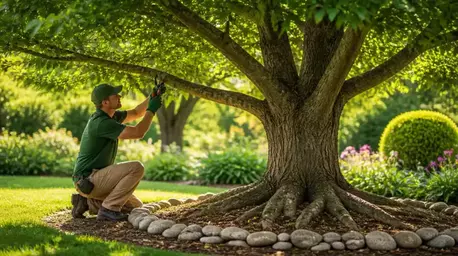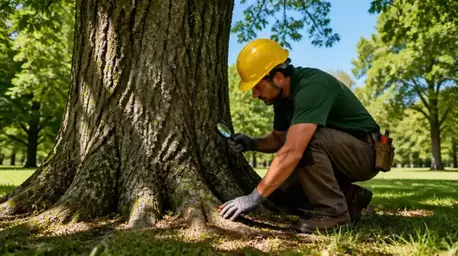
Conducting a Thorough Hazard Inspection
- Inspect for dead or broken branches
- Look for signs of decay or fungus
- Check the tree's alignment and stability
As storm season approaches, the health of your trees can mean the difference between safety and disaster. Trees are not just beautiful additions to your landscape; they serve as essential protectors against the elements. What steps are you taking to prepare them for heavy rain?
Ensuring the health and stability of your trees before storm season involves several critical maintenance steps. Below are essential practices to maintain tree safety and resilience. For more comprehensive insights, consider our long-term tree risk management tips.
As a dedicated tree safety expert, I can’t stress enough the significance of proactive tree maintenance when it comes to storm preparedness. Preparing your trees before heavy rain can dramatically reduce the risk of damage to your property and ensure the safety of your family. Think of your trees as guardians; when they are well cared for, they can better shield your home from the elements!
Taking the time to assess and maintain your trees beforehand means fewer surprises when the storms roll in. Regular inspections and care not only keep your trees healthy but also bolster their resilience against heavy winds and rain. By investing in tree care, you’re essentially investing in peace of mind during storm season. For more details on safeguarding your landscape, read our storm-ready landscaping tips.
On the flip side, neglecting tree maintenance can lead to various problems that can jeopardize your safety and property. Without proper care, trees can develop serious issues that make them more vulnerable during storms. For instance, a tree with dead or diseased branches poses a significant risk, as these weak limbs are likely to break off in heavy winds.
Moreover, poor root health can lead to increased susceptibility to diseases and even uprooting during severe weather. Imagine your beloved tree toppling over because its roots were compromised! Additionally, trees that haven’t been regularly pruned may develop a dense canopy that traps moisture, leading to fungal infections and other health issues.
Before the storm hits, it’s crucial to conduct a thorough hazard inspection of your trees. Start by checking for dead or diseased branches, as these can easily become projectiles during a storm. Also, look for any trees that are leaning excessively, which may indicate root issues. A checklist can be immensely helpful here!
By identifying these issues early, you can take the necessary steps to mitigate risks and enhance the safety of your property. Remember, the more proactive you are, the less likely you’ll face the stress of unexpected damage! Check out our guide on hazardous tree warning signs for more information.
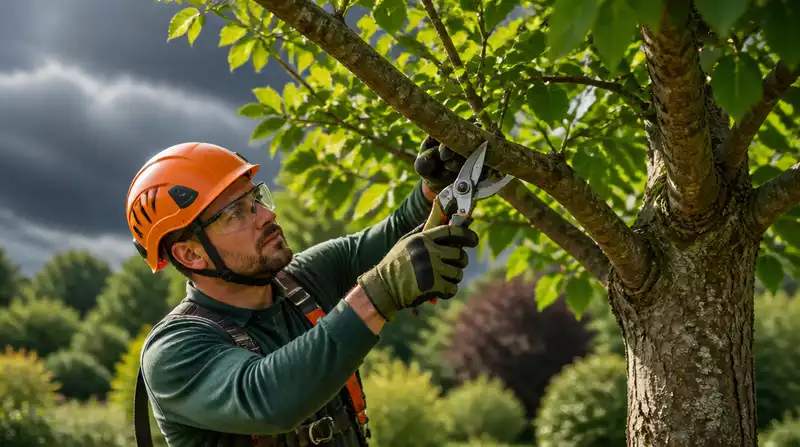
Once you’ve identified any problematic branches, it’s time to take action! Pruning is a key step in ensuring your trees can withstand heavy rain and strong winds. Start by using clean, sharp tools to make clean cuts on the branches you wish to remove. This helps minimize injury to the tree and encourages healthy growth.
Regular pruning not only removes weak limbs but also promotes better air circulation and light penetration within the canopy. This can lead to healthier foliage, ultimately making the tree more robust against storm conditions. Remember to prioritize branches that are at risk of breaking under pressure!
Next up is the assessment of the root system and soil drainage around your trees. A healthy root system is essential for a tree’s stability and resilience, especially during heavy rain. Check for signs of soil saturation; if the ground is overly moist, it could mean that your tree's roots are at risk of suffocation.
Look for roots that are exposed or damaged, as these can severely affect the tree's health. Proper drainage is equally important, so consider installing drainage systems if your yard tends to retain water. Taking care of these foundational aspects ensures your tree has the best chance of weathering the storm!
For trees that may need extra support, consider implementing tree cabling or staking systems. These methods can help enhance the structural integrity of your trees, making them more stable against high winds. It’s important to know which trees would benefit from added support, as not all trees require this step. For more details, see our article on protecting trees in severe weather.
Be sure to use materials that won’t harm the tree, such as soft ties, and ensure the support system doesn’t constrict the tree’s growth. Properly installed support systems can make a significant difference in keeping your trees safe and sound during storm season. So don’t wait until it’s too late!
Did you know? Regularly assessing your trees not only helps in storm preparedness but also contributes to their long-term health. Consider scheduling seasonal check-ups to catch issues early, and don’t forget to document the condition of your trees over time. This can help you identify patterns or repeated problems that may need professional attention.
Yes, pruning your trees before heavy rain is highly recommended! Proper tree care involves removing dead or diseased branches, which can easily break and fall during a storm. By pruning, you reduce the risk of damage to your property and enhance the tree's ability to withstand strong winds.
It's essential to focus on branches that are overhanging structures or those that show signs of weakness. If you’re unsure about how to proceed, feel free to reach out to us at Safe Canopy Care. We can guide you through the best practices for pruning before storm season!
Identifying an unsafe tree condition requires looking for specific visual signs. Here are some indicators to consider:
If you notice any of these signs, it’s crucial to take action quickly! You may want to consult with an arborist to assess the situation further. Remember, at Safe Canopy Care, we're always here to help you keep your trees safe and sound!
Tree cabling is an important method to enhance a tree's stability and safety during heavy rainfall. This technique involves installing cables to support weak branches or trunks, preventing them from breaking during storms. Here’s how cabling can help:
Using tree cabling can truly make a difference in storm preparedness! If you feel your trees may benefit from this support, don't hesitate to contact us at Safe Canopy Care. We can assess your trees and implement the necessary precautions to keep them safe.
To recap, it's essential to prioritize tree maintenance before heavy rain. Regular inspections, pruning, and implementing tree support systems can significantly enhance your trees' resilience against storms. Remember, taking these proactive measures not only protects your property but also fosters a healthy and vibrant environment around your home.
Now is the time to put these strategies into action! If you feel overwhelmed or uncertain about the best ways to prepare your trees for storm season, consider reaching out to us at Safe Canopy Care. Together, we can ensure your trees are ready to weather any storm that comes your way. Let’s work towards a safer and more secure outdoor space for you and your family!
Here is a quick recap of the important points discussed in the article:
Evelyn Hartman is a dedicated tree safety expert with over a decade of experience in the arboriculture industry. With a passion for protecting homes and properties, Evelyn specializes in proactive tree safety measures, storm preparedness, and emergency response. She is committed to educating homeowners about the importance of tree care and risk prevention, ensuring that families can enjoy their outdoor spaces with peace of mind.