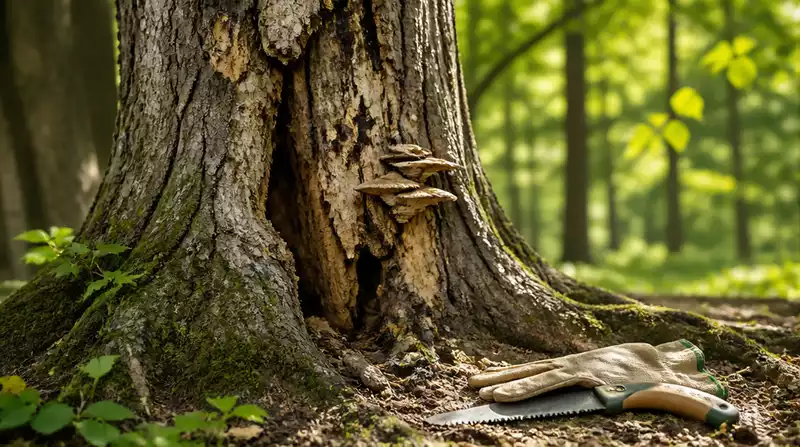
Extent of Damage
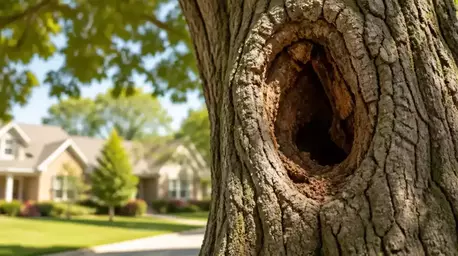
Is the damage superficial or severe? Early detection is key in deciding if monitoring or removal is needed.
In a world where mature trees can grace our landscapes yet hide potential hazards, understanding tree health is crucial for every homeowner. Did you know that a seemingly healthy tree can be structurally compromised? Let's explore the key lessons to keep your outdoor space safe and thriving.
Understanding the critical factors that influence tree health and stability helps in making informed decisions regarding tree management. For comprehensive guidance on managing tree-related risks, consider exploring long-term tree risk management tips.
Is the damage superficial or severe? Early detection is key in deciding if monitoring or removal is needed.
Is the tree close to your home or other structures? Proximity can greatly impact safety considerations.
Some species are more resilient than others. Knowing your tree type can inform risk management strategies.
Has the tree been stable in the past, or does it show a pattern of decline? Historical data aids in predicting future health.
As a tree safety expert at Safe Canopy Care, I often emphasize the importance of understanding structural weakness in mature trees. These trees, while beautiful and majestic, can sometimes develop weaknesses that pose risks to homes and properties. Recognizing these weaknesses is crucial for preventing potential hazards and ensuring the safety of our outdoor spaces.
Structural weakness refers to any condition that compromises a tree's ability to stand firm and withstand environmental stresses. This can be due to factors like age, disease, or even damage from storms. By being aware of these risks, homeowners can take proactive steps to protect their properties and loved ones.
Structural weakness in trees can manifest in various ways, and understanding these signs is essential. Some common indicators include:
Identifying these weaknesses early allows for timely intervention and can prevent hazardous situations. Remember, a tree that looks healthy on the outside may still be hiding structural issues that could lead to problems down the line! For more detailed information, read our guide on hazardous tree warning signs.
Many homeowners might feel confident in assessing their trees, but sometimes, it’s best to call in a professional. At Safe Canopy Care, we recommend getting a detailed evaluation if you're unsure about your tree's health. A professional arborist can offer insights that might not be visible to the untrained eye.
When to consider a professional assessment includes situations such as:
Don't hesitate! Engaging a tree safety expert can provide peace of mind and ensure that your trees are as safe as possible.
To appreciate tree structural weaknesses, it helps to understand how trees are built. A tree's strength lies in its trunk, branches, and roots working together. For instance, the trunk must be strong enough to support the weight of the branches and withstand environmental factors like wind and rain.
Here are key components that contribute to a tree’s structural integrity:
Understanding these components helps us recognize how various factors can impact a tree’s overall health and stability. A little knowledge goes a long way in ensuring the safety of your beloved trees! To learn more about assessing tree health, check out our insights on assessing tree health and safety.
Did you know? Regular inspections not only help identify potential hazards but also promote a proactive approach to tree care. By documenting your tree assessments and changes over time, you can better communicate with a professional arborist about your tree's health. Consistent monitoring can make all the difference in ensuring the safety and longevity of your trees!
As a homeowner, understanding the balance between monitoring your trees and potentially removing them is crucial for your safety. At Safe Canopy Care, I often remind clients that not every tree that shows signs of weakness must be cut down. Sometimes, careful monitoring and intervention can keep your trees healthy and stable for years to come. Let's explore some key factors that can help you make the right decision.
When deciding whether to monitor or remove a tree, consider these decision thresholds:
Evaluating these factors can inform your decision-making process and guide you toward the best course of action. Always remember that professional arborist services, like those offered by Safe Canopy Care, can help you assess the situation more accurately!
Just like people, trees have unique characteristics that can affect their health and stability. Different species have different weaknesses, making it essential to know which trees are in your yard. For example, some common tree species might be more prone to specific issues:
In addition, regional influences such as climate, soil type, and typical weather patterns play a significant role in tree health. For instance, trees in storm-prone areas may require more frequent assessments and proactive care. Knowing these species-specific risks can help you take the necessary precautions to protect your property!
Conducting a thorough tree risk assessment is a vital step in evaluating hazard potential. Here’s a simplified approach to get you started:
This structured approach not only helps you understand your trees better but also prepares you to discuss any concerns with a professional arborist from Safe Canopy Care. It’s all about ensuring safety while making informed decisions! For more insights into safety and prevention, explore tree safety risk prevention tips.
It can be overwhelming to think about tree health, but having a clear inspection workflow can simplify the process! Here’s a practical guide to help you evaluate your trees effectively:
Following this workflow will help you stay organized and systematic in your inspections. Remember, knowledge is power when it comes to tree safety!
Common signs include cracks and splits in the trunk or branches, weak unions where branches meet the trunk, and co-dominant stems that can create imbalances. These issues can compromise a tree's stability and pose risks.
You should consider a professional assessment if you notice visible signs of damage or decay, after severe weather events, or if the tree shows unexplained leaning or instability. A professional arborist can identify issues not visible to the untrained eye.
A tree's structural integrity relies on its trunk quality (a healthy trunk is crucial for overall strength), its root system (which anchors the tree and absorbs nutrients), and its branch structure (proper patterns enhance stability).
Consider the extent of damage (superficial vs. severe), the tree's location (proximity to structures), its species (some are more resilient), and its historical performance (past stability or decline). These factors help in making an informed decision.
A practical workflow involves biannual checks (especially before and after storm seasons), using a checklist to track health indicators, and documenting changes over time with photos. This systematic approach helps in organized inspections.
To enhance your inspection efforts, developing a risk score checklist can be incredibly beneficial. This checklist could include:
Using this scoring system can help you assess and prioritize which trees may need immediate attention. This method also allows you to communicate clearly with a tree care expert about your findings!
Pictures tell a thousand words, right? Incorporating visual aids such as photos and diagrams can greatly enhance your understanding of tree safety. Here are some ideas:
Visual aids not only facilitate your inspections but also make it easier to explain issues when reaching out for help. After all, sharing knowledge is part of what we do at Safe Canopy Care!
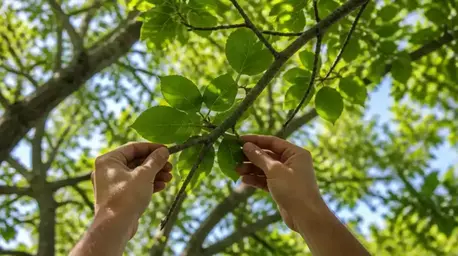
Visual Tree Assessment (VTA) is a technique that enables you to evaluate trees effectively without advanced tools. Here’s how you can perform a VTA:
This simple yet effective technique can help you identify potential hazards and alert you to the need for professional advice. Remember, a little vigilance can go a long way! For more information on proactive tree care, consider reading our article on safety through proactive tree care.
As we wrap up, it's clear that maintaining the health of mature trees is a shared responsibility. I encourage you to recognize the value of professional arborist services, like those we offer at Safe Canopy Care. Regular assessments are vital for keeping your trees safe and your property protected.
In summary, performing routine tree assessments and understanding the importance of tree maintenance not only contributes to a safer environment but also enhances the beauty of your landscape. Let's work together to create safer outdoor spaces for everyone! For further insights into ensuring the stability of your trees, explore our guide on assessing tree stability post-storm.
Here is a quick recap of the important points discussed in the article:
Evelyn Hartman is a dedicated tree safety expert with over a decade of experience in the arboriculture industry. With a passion for protecting homes and properties, Evelyn specializes in proactive tree safety measures, storm preparedness, and emergency response. She is committed to educating homeowners about the importance of tree care and risk prevention, ensuring that families can enjoy their outdoor spaces with peace of mind.