Regular Inspections
Engage in routine evaluations to identify potential hazards before they become emergencies.
As storms grow in frequency and intensity, the importance of proactive tree care becomes paramount. Understanding how to safeguard your trees not only protects your property but also enhances the resilience of your community. Here’s what you will learn about long-term tree care for storm resilience.
Understanding the essential elements of tree care for storm resilience can significantly enhance your trees' ability to withstand harsh weather. Below are key strategies that promote tree health and safety. For more in-depth information on managing tree risks, consider exploring our long-term tree risk management tips.
Engage in routine evaluations to identify potential hazards before they become emergencies.
Ensure trees are shaped to withstand strong winds, reducing the risk of storm damage.
Promote healthy root systems through proper soil care to enhance tree stability.
Choose trees that are well-suited for your local climate and soil conditions for better resilience.
Know when to seek professional help for storm-damaged trees to ensure safety and health.
As storms become more frequent and intense, the need for proactive tree care cannot be overstated. At Safe Canopy Care, we believe that understanding the significance of long-term tree care is essential for safeguarding our homes and properties. By focusing on tree resilience, we can protect our outdoor spaces and enhance the safety of our environments during severe weather events.
Long-term care is not just about aesthetics; it's about ensuring that trees can withstand the stress of storms. Trees are often the first line of defense against harsh weather, but they can also become hazards if not properly managed. By being proactive, we can minimize risks and help our trees thrive through the unpredictable seasons.
First, let’s take a closer look at the risks associated with storm damage. When storms hit, trees can suffer from various types of damage, including:
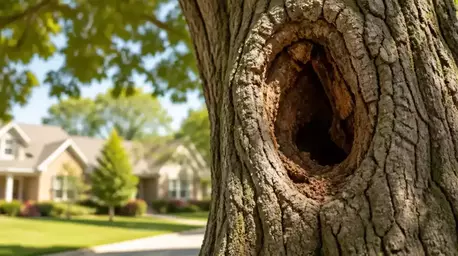
Understanding these risks is the first step in taking action. Observing your trees for signs of vulnerability, such as cracks or decay, can help you address potential issues before they escalate. When the winds start to howl and the skies darken, knowing your trees are healthy and well cared for can provide immense peace of mind. For more insights on safeguarding your property, remember to check our tree inspections to safeguard your property.
Trees play a crucial role in creating a buffer against storm impacts. They help in several ways, including:
At Safe Canopy Care, I emphasize that understanding the protective benefits of trees is vital. By nurturing a healthy tree population, we not only enhance our properties but also contribute to the overall resilience of our communities. Trees are more than just beautiful additions to our landscapes; they are essential guardians against the forces of nature.
Now that we've explored the importance of long-term tree care and its impact on storm resilience, let's dive into some proactive strategies you can implement. These practices ensure that your trees are prepared to withstand the challenges nature may throw their way.
By adopting a comprehensive tree care plan, we can strengthen our trees and create safer environments for our families. Remember, it's not just about reacting to storms—it's about being ahead of the game! For additional guidance, consider our article on preparing trees for storm season.
We're curious to know about your tree care practices! How often do you inspect and maintain your trees for storm resilience? Share your thoughts below:
When it comes to ensuring the safety and longevity of your trees against storm damage, understanding the key elements of tree care is crucial. At Safe Canopy Care, we've found that a combination of preventative and recovery strategies can significantly enhance your trees' resilience. By proactively managing your trees, you'll not only protect your property but also contribute to a safer environment for your community.
Let's take a moment to revisit some of the most effective strategies we've discussed. These strategies can help you prepare your trees for storms and recover effectively afterward:
Understanding both preventative and recovery strategies can make all the difference for your trees. By investing time in tree care, you can minimize risks and ensure your trees thrive even in adverse conditions. Here are some key strategies to remember:
Every tree tells a story, and by understanding their needs, we can help them grow strong. I always encourage homeowners to keep a close eye on their trees—just like you would for any family member! For tips on what to look for, read our guide on identifying dangerous trees.
While some tree care tasks can be handled by homeowners, others require the trained eye of a professional. Consulting with a certified arborist can provide valuable insights tailored to your specific situation. Here’s why professional help is essential:
At Safe Canopy Care, I always recommend reaching out for help when needed. It’s not just about saving a tree, but about protecting your home and loved ones. Remember, it’s better to be safe than sorry! You can also find valuable resources in our tree service directory.
Now that we've discussed the importance of tree care, it's time to take action! There are plenty of ways to enhance your practices and ensure the safety of your trees. Start by connecting with local experts who share your passion for tree health. Here are a few steps you can take today:
By working together, we can foster a culture of safety and care for our environment. At Safe Canopy Care, I’m here to support you in your journey toward better tree management. Let's make our outdoor spaces safer and more beautiful!
Here is a quick recap of the important points discussed in the article:
Evelyn Hartman is a dedicated tree safety expert with over a decade of experience in the arboriculture industry. With a passion for protecting homes and properties, Evelyn specializes in proactive tree safety measures, storm preparedness, and emergency response. She is committed to educating homeowners about the importance of tree care and risk prevention, ensuring that families can enjoy their outdoor spaces with peace of mind.