1. Assessment
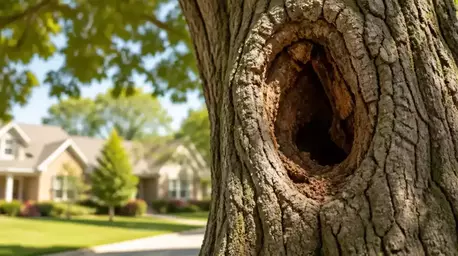
Evaluate the tree's condition and location, identifying any potential hazards.
When faced with an emergency situation involving trees, knowing how to select the right tree removal service can make all the difference. Rapid decisions can lead to better outcomes, and understanding the nuances of your needs is crucial. This guide will illuminate the key considerations you must take into account to ensure the safety of your property and loved ones.
Understanding the essential steps involved in emergency tree removal can help home and property owners feel prepared and informed. Below is a visual representation of these steps. For more detailed insights into managing tree-related risks, consider exploring our guide on long-term tree risk management tips.
Evaluate the tree's condition and location, identifying any potential hazards.
Develop a removal strategy that considers safety and efficiency in execution.
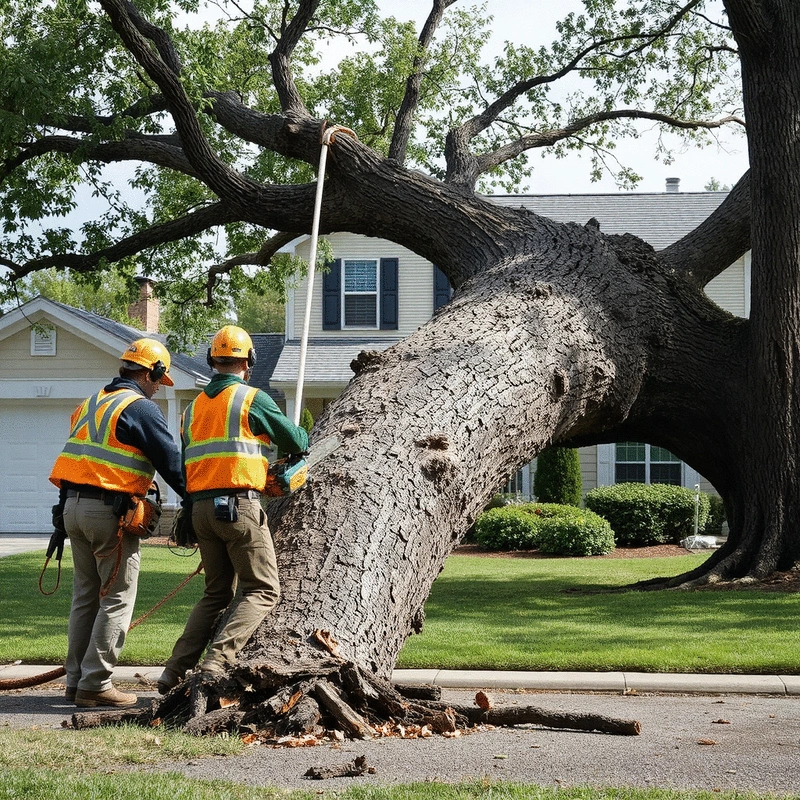
Carry out the removal process with care, following the established safety protocols.
When an emergency strikes, understanding your specific needs can help guide your choice of tree removal service. Situations that may necessitate emergency tree removal include severe storm damage, fallen trees on properties, or trees posing imminent danger to homes and people. Each scenario has different urgency levels and requires a tailored approach, making it essential to communicate your situation clearly.
For example, if a tree has fallen onto your roof during a storm, you'll likely need a service that can respond quickly and efficiently. On the other hand, a tree leaning dangerously towards your home may still require immediate attention, but it might not be as urgent if it has not yet fallen. Knowing the severity of the issue allows you to prioritize your search for a reliable service.
Hiring a certified arborist is crucial for ensuring safe and effective tree removal. Certifications such as the International Society of Arboriculture (ISA) certification indicate that the arborist has met specific standards of knowledge and skill in tree care and removal practices. This certification is not just a badge; it reflects a commitment to quality and safety in the field.
When seeking a tree removal service, look for specific qualifications to ensure you’re getting the best. Ask if they hold any credentials or affiliations with professional organizations. A reputable company will not hesitate to share this information, which can help you feel more confident in your choice.
Experience and reputation are key factors when selecting the right emergency tree removal service. Customer reviews can provide valuable insight into a company's reliability and quality of work. A well-established company with positive feedback often indicates a trustworthy service provider.
Additionally, local reputation matters greatly, especially in tight-knit communities. If a friend or neighbor has had a good experience with a tree service, that's a strong recommendation! Be sure to look for reviews on platforms like Google, Yelp, or community forums. For more on selecting reputable services, explore how to use a tree service directory effectively.
Understanding the emergency tree removal process can help you feel more prepared when you call for help. The typical steps involved include an assessment of the tree's condition, planning for safe removal, and the execution of the actual removal. Each step is crucial for ensuring the safety of both the crew and your property.
During the assessment, the team will evaluate the tree's health, its position, and any potential hazards it may pose. After that, a plan will be put in place to address the removal safely and efficiently. It's essential for the team to follow a systematic approach to minimize risks and protect your surroundings.
Before hiring an emergency tree removal service, it's essential to verify their insurance coverage. This not only protects them but also safeguards you as a homeowner. If an accident occurs during the tree removal process, having a fully insured contractor can save you from potential liability.
Ask for proof of insurance and ensure that it includes both liability and worker’s compensation coverage. This simple step is crucial in protecting your interests and ensuring peace of mind during a stressful situation.
During emergencies, the availability of tree removal services can significantly impact your situation. A company that offers 24/7 emergency services will be able to respond quickly, reducing the risk of further damage to your property. It's essential to inquire about their response times when you first contact them.
Consider asking how soon they can be on-site to assess and begin the removal process. Knowing that help is just a call away can bring you a sense of calm during an otherwise chaotic time, especially when dealing with hazardous tree removal best practices.
Conducting a thorough tree risk assessment is crucial prior to any removal. This assessment identifies potential hazards associated with the tree and helps in making informed decisions. Professionals will look for signs of decay, structural weaknesses, and other risk factors that could pose dangers to your property.
By assessing the risks beforehand, you can prioritize which trees need immediate attention and which may be monitored for future issues. This proactive approach can help ensure the safety of your property and loved ones.
Understanding the costs associated with emergency tree removal is vital. A reputable service provider should offer transparent pricing and clear estimates. Before committing, ask for a detailed breakdown of potential costs so there are no surprises later.
Factors influencing the cost may include the size of the tree, its location, and any additional services required, such as stump removal. Clarifying these details upfront can help you budget accordingly and reduce stress during the process.
Preparing your property before the emergency tree removal crew arrives can facilitate a smoother process. Clear the area around the tree of any obstacles, such as furniture, vehicles, or decorations. This helps the team work efficiently and safely.
Additionally, it's essential to inform neighbors of the upcoming work, as the noise and disruption may affect them as well. Taking these simple steps can make the process less chaotic and more organized.
When selecting an emergency tree removal service, it's important to be aware of common red flags that may indicate unqualified or untrustworthy contractors. Signs to look out for include vague estimates, lack of insurance, and poor communication.
If a company pressures you to make quick decisions or offers prices that seem too good to be true, proceed with caution. Trustworthy companies value transparency and will take the time to answer your questions. Always trust your instincts; if something feels off, it probably is! For more on identifying potential issues, review hazardous tree warning signs that might indicate an unqualified assessment.
Emergency tree removal services follow specific protocols to ensure safety and efficiency during their work. Understanding these protocols can alleviate some concerns you might have. Typically, the process includes assessing the scene, establishing a safety perimeter, and executing the removal plan with proper equipment.
Reliable companies will communicate these protocols clearly and ensure that everyone on site understands the safety measures in place. Knowing that professionals are following established guidelines can provide peace of mind in a stressful situation.
Many homeowners have common questions regarding emergency tree removal services. Addressing these can help clarify your understanding and ease any worries. Some frequently asked questions include:
Getting answers to these questions can help you feel more confident and prepared for any situation that may arise. As a tree safety expert, I encourage homeowners to take the initiative in understanding their options, ensuring they are ready when emergencies occur.
When selecting an emergency tree removal service, always ask for a detailed timeline of the entire process—from initial assessment to final cleanup. Knowing the expected duration can help you plan better and alleviate any concerns about prolonged disruptions to your property.
Choosing the right emergency tree removal service is crucial for ensuring the safety of your property and family. Throughout this article, I've highlighted several important factors to consider, such as understanding your specific needs, evaluating the qualifications of the service providers, and emphasizing the importance of experience and reputation. By keeping these considerations in mind, you can make a more informed decision when faced with an urgent tree situation.
Additionally, I cannot stress enough the importance of transparent pricing and understanding the emergency response protocols that professionals adhere to. This knowledge not only helps you feel more secure but also empowers you to ask the right questions when selecting a contractor. Remember, as the founder of Safe Canopy Care, my mission is to ensure you have the information you need to protect your home from unexpected tree hazards.
Now that you have a comprehensive understanding of what to look for in an emergency tree removal service, it’s time to take action! Start by evaluating your options and reach out to qualified professionals who can meet your specific needs. Whether it’s for routine inspections or emergency situations, being proactive can save you time, money, and stress in the long run. At Safe Canopy Care, we're here to support you every step of the way—don’t hesitate to contact us for any questions or to schedule a consultation!
Consider these steps as you take control of your tree removal needs:
To aid you in making informed decisions, I’ve compiled a list of valuable resources that can help you assess tree safety and prepare for emergencies:
By utilizing these resources and staying informed, you can better navigate the process of emergency tree removal. Remember, at Safe Canopy Care, we're dedicated to ensuring your safety and peace of mind—let’s work together to keep your outdoor spaces secure!
Here is a quick recap of the important points discussed in the article:
Evelyn Hartman is a dedicated tree safety expert with over a decade of experience in the arboriculture industry. With a passion for protecting homes and properties, Evelyn specializes in proactive tree safety measures, storm preparedness, and emergency response. She is committed to educating homeowners about the importance of tree care and risk prevention, ensuring that families can enjoy their outdoor spaces with peace of mind.